Category: Business n That

  • Why Skin Longevity Is The Beauty Obsession Everyone’s Talking About

    Why Skin Longevity Is The Beauty Obsession Everyone’s Talking About

    Skin longevity has quietly become the beauty world’s new obsession, reshaping how we think about ageing, skincare and even wellness. Instead of chasing quick fixes, more people want skin that stays healthy, resilient and strong for as long as possible. It is less about turning back the clock and more about slowing it down in the first place.

    From anti-ageing to pro-ageing well

    The old language of anti-ageing is starting to feel dated. Rather than trying to erase every line, the focus is shifting to pro-ageing well. That means supporting the skin’s natural functions – barrier strength, hydration, repair and protection – so it can cope better with stress, pollution and time.

    Brands now talk about long-term skin health instead of miracle results in seven days. You will see products promising stronger skin barriers, less inflammation and better tolerance, especially for sensitive and reactive skin. This approach aligns more closely with how dermatologists think about skin: as a living organ that needs consistent care, not punishment.

    Science-backed actives for skin longevity

    Behind the marketing, there is real science driving the skin longevity trend. Researchers are looking at how skin cells age, how DNA damage accumulates and how inflammation slowly wears down collagen, elastin and lipids.

    Key ingredients showing up again and again include:

    • Retinoids to support cell turnover and boost firmness over time.
    • Peptides that signal the skin to repair itself and maintain structure.
    • Niacinamide for barrier support, redness reduction and oil balance.
    • Antioxidants like vitamin C and resveratrol to tackle free radical damage.
    • Ceramides and fatty acids to keep the barrier strong and flexible.

    These are not instant-glow ingredients. They work best as part of a consistent routine, building resilience month by month rather than promising overnight transformation.

    The rise of biohacking your skin

    Another big shift in skin longevity is the crossover with biohacking culture. People are tracking sleep, diet, stress and even air quality, then linking that data back to how their skin behaves. Dark circles after poor sleep, dullness after a heavy weekend, breakouts during stressful periods – it all fits into a bigger picture.

    Some are using wearable tech to monitor recovery and then timing active skincare for when the body is best able to repair. Others are experimenting with cold exposure, red light therapy and facial massage tools in search of better circulation and reduced inflammation. While not every hack is backed by strong evidence, the overall move is clear: skin is no longer treated in isolation from the rest of the body.

    Inside-out strategies and smart supplements

    Longevity thinking naturally leads to what is happening beneath the surface. Hydration, protein intake, healthy fats, colourful plants and gut health all play a role in how skin looks and feels. Supplements that support structural proteins, antioxidants and hydration are part of many routines, often sitting alongside topical serums and creams.

    For those exploring internal support, products such as collagen powders and drinks are often combined with vitamin C, zinc and other nutrients to help the body maintain healthy tissue. The key is consistency and realistic expectations: inside-out strategies tend to work gradually and are most effective when paired with a balanced lifestyle.

    Daily habits that quietly extend skin health

    Skin longevity is not only about fancy actives and futuristic devices. The most powerful tools are often the least glamorous. Daily SPF, even in the UK, remains the single biggest protector against premature ageing, dark spots and texture changes. Gentle cleansing that respects the barrier, rather than stripping it, helps prevent long-term irritation.

    Sleep, stress management and movement are just as important. Chronic stress can increase inflammation and delay healing, while quality sleep is when the skin does most of its repair work. Regular exercise supports circulation and can give skin a healthier tone over time.

    Personalised routines and realistic expectations

    Perhaps the most refreshing part of the skin longevity movement is its emphasis on personalisation. People are moving away from copying influencer routines and towards understanding their own skin type, environment and budget. Patch testing, slow product introductions and seasonal tweaks are becoming normal.

    Group of women of different ages with healthy complexions representing skin longevity across life stages.
    Flatlay of skincare, SPF and healthy food illustrating a holistic approach to skin longevity.

    Skin longevity FAQs

    Can you improve your skin as you get older?

    Yes, skin can improve at any age with the right approach. Gentle cleansing, daily SPF, targeted actives like retinoids or niacinamide, and a focus on hydration can all make a visible difference. Supporting your overall health through good sleep, nutrition and stress management will also show up in your skin over time.

    How long does it take to see results from a new skincare routine?

    It depends on the concern and the products you are using. Hydration and plumpness can improve within days, while texture and tone changes often take 4 to 12 weeks. Structural changes, like firmness, can take several months of consistent use. The key is patience, patch testing and resisting the urge to constantly switch products.

    What is the simplest way to start focusing on skin longevity?

    Start with the basics: a gentle cleanser, moisturiser suited to your skin type and a broad-spectrum SPF you will actually wear every day. Once those are in place, you can gradually add a single active product, such as a retinoid or antioxidant serum, and see how your skin responds. Small, sustainable steps are more effective than an overwhelming 10-step routine.

    More stories…

  • Smart Home Tech Christmas Gifts That Will Actually Get Used

    Every year there is a scramble to find Christmas presents that are clever, useful and not destined for the back of a cupboard by January. This time around, smart home tech gifts are leading the wish lists, promising to make homes more comfortable, secure and energy efficient without needing a degree in engineering to set them up.

    smart home tech gifts

    From app controlled lights to AI powered speakers, the latest wave of gadgets is less about gimmicks and more about solving everyday annoyances. Here is a rundown of the most interesting ideas if you want your festive shopping to feel a bit more future facing.

    Why smart home tech gifts are so popular

    People are spending more time at home and energy prices are never far from the headlines, so anything that makes a house cheaper to run or easier to manage is an easy sell. Modern smart home tech gifts are also far simpler to install than the wired systems of old. Most connect over Wi Fi, pair with a phone in a couple of taps and slot into routines people already have.

    Another big driver is compatibility. The major players have finally started working together properly, so you do not have to gamble on one brand and hope it still works in a few years. Gifts that plug into voice assistants or shared standards feel like less of a risk for both giver and receiver.

    Energy saving smart home tech gifts

    Energy conscious gadgets are top of the pile this Christmas. Smart thermostats are now a mainstream present, letting people control heating from their phone, set schedules and see exactly when the boiler is firing. Paired with smart radiator valves, they can heat only the rooms being used, which is particularly handy in older, draughtier homes.

    Smart plugs are another low cost winner. They let you turn off power hungry devices remotely, set timers for things like heated airers and monitor how much electricity different appliances are actually using. When bundled together in a stocking, they can make a surprisingly thoughtful present for anyone trying to shrink their bills.

    For those thinking longer term about their home’s energy, it is worth knowing that technologies like solar panels now integrate neatly with smart meters, batteries and home energy apps, giving people more control than ever over how and when they use electricity.

    Lighting and ambience gadgets that feel properly festive

    Smart lighting remains one of the easiest ways to dip into connected home gear. A single colour changing bulb can transform a room for Christmas, shifting from cosy warm white for film nights to vibrant reds and greens for parties. Starter kits with a couple of bulbs and a small hub make brilliant smart home tech gifts because they are simple to set up and instantly fun to use.

    Light strips are also having a moment, especially behind TVs, under shelves or around gaming setups. Many now sync with on screen action, music or even the weather outside, creating a surprisingly immersive feel without much effort. For anyone who loves decorating for the holidays, this kind of kit is a guaranteed hit.

    Security and peace of mind presents

    Video doorbells and smart cameras are no longer niche. They are now the sort of practical Christmas present that families club together to buy. Being able to see who is at the door, talk to delivery drivers when you are out and get alerts if there is movement in the garden offers genuine peace of mind.

    Modern systems are far more privacy aware too. Many store footage locally on a hub or memory card rather than in the cloud, and they offer clear controls over what is recorded and when. For tech sceptical relatives, this makes them much easier to recommend.

    Entertainment and voice assistants that tie it all together

    No list of smart home tech gifts is complete without voice assistants and smart speakers. The latest models have better sound, clearer microphones and slicker routines. A single speaker can control lights, heating, plugs and TVs, as well as handle the usual timers, weather checks and jokes for the kids.

    Smart home tech gifts FAQs

    Read more articles on Metalchaos.

    Do you need technical skills to set up smart home devices?

    Most modern smart home devices are designed for beginners. They usually come with a companion app that walks you through setup step by step, and many simply plug into existing sockets or replace a bulb. As long as you are comfortable installing apps and following on screen instructions, you should be fine. Anything involving mains wiring should be left to a qualified electrician.

    Which smart home tech gifts are best for people who rent?

    For renters, focus on devices that do not require drilling or rewiring. Smart plugs, bulbs, light strips, speakers and battery powered security cameras are all good choices because they can be removed easily when moving out. Avoid hard wired thermostats or doorbells unless the landlord has agreed and a professional is doing the installation.

    Are smart home tech gifts really energy efficient?

    Many smart gadgets can help reduce energy use when used properly. Thermostats that avoid overheating rooms, plugs that turn off standby devices and lighting that switches off automatically all contribute to lower bills. The key is setting sensible schedules and using the data these devices provide to understand where energy is being wasted.

  • How Industry 4.0 is Transforming Manufacturing in 2025

    The world of manufacturing is changing fast, and the woodworking sector is no exception. From advanced robotics and smart sensors to cloud-based control systems, the rise of Industry 4.0 is ushering in a new era of efficiency and precision. For UK manufacturers, understanding these technologies isn’t just optional – it’s key to staying competitive in 2025 and beyond.

    Industry 4.0

    The digital shift in traditional manufacturing

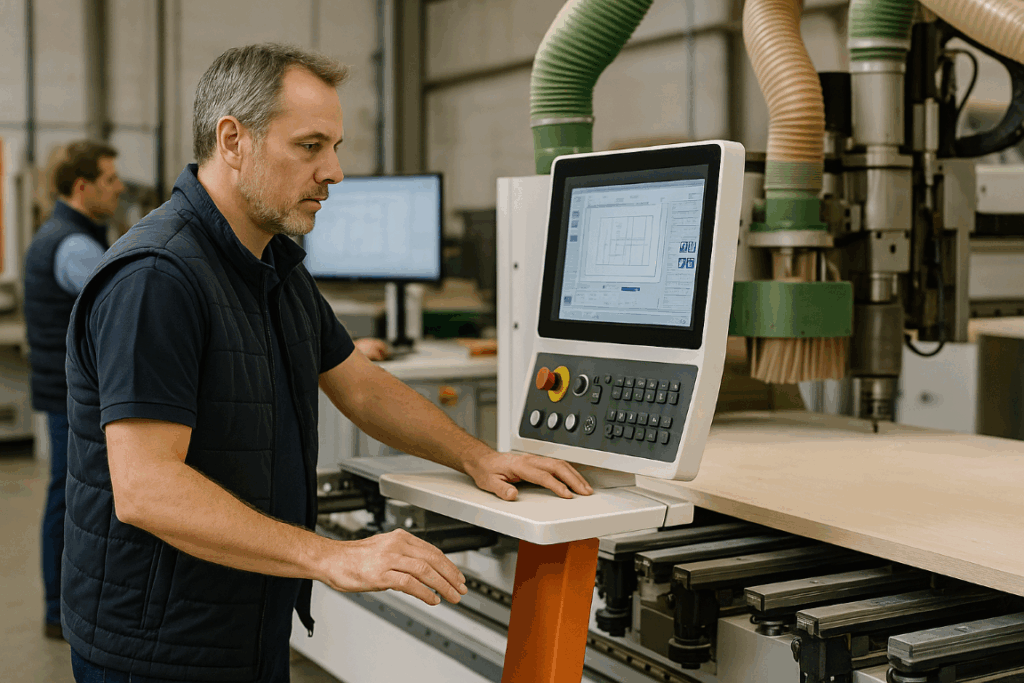
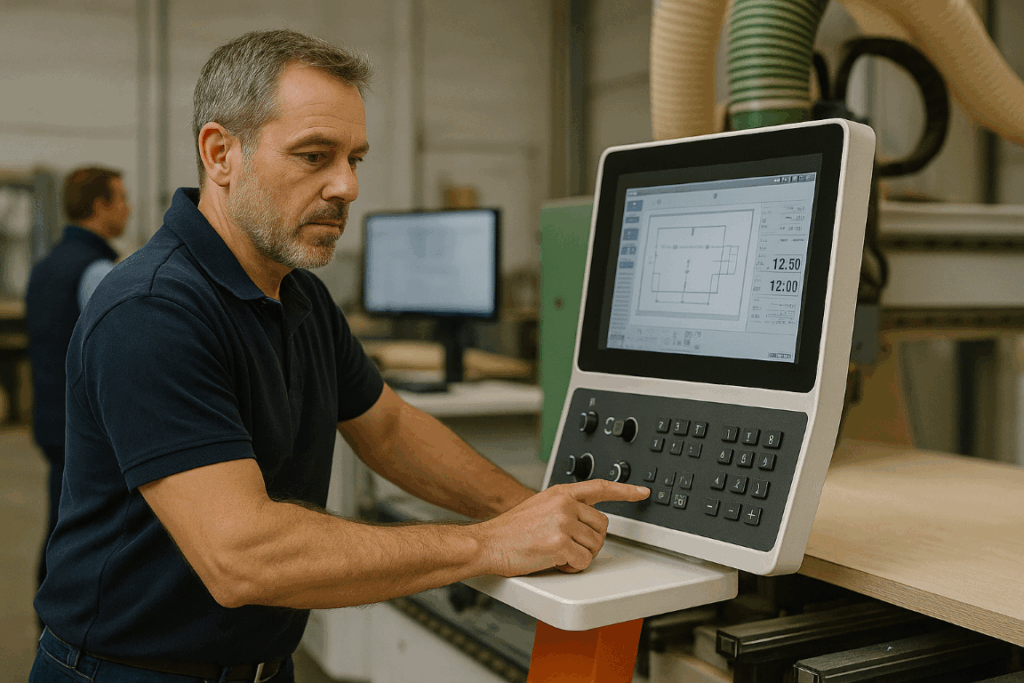
    In the past, woodworking relied heavily on manual labour and standalone machinery. Today, many workshops are investing in connected systems that allow operators to track production in real time. Machines now communicate with each other through integrated networks, helping to predict maintenance issues before they occur and ensuring every process runs smoothly.

    Automation, data analytics, and artificial intelligence are no longer futuristic concepts – they are practical tools improving productivity and product quality right now. Whether cutting panels, shaping frames, or producing bespoke joinery, digital control is redefining what precision really means.

    Sustainability driving smarter production

    As environmental concerns continue to influence the manufacturing landscape, businesses are looking for ways to reduce waste and energy use. Modern woodworking machinery is being designed to run more efficiently, often powered by electric motors that consume less energy than older hydraulic systems.

    Even waste materials are being reused or repurposed – a trend particularly visible in the popularity of briquette machines that convert sawdust and offcuts into clean, burnable fuel. This approach not only lowers disposal costs but also supports carbon-reduction goals, aligning with the UK’s broader environmental strategy.

    Industry 4.0

    Modular design and flexibility

    A key characteristic of Industry 4.0 is flexibility. Manufacturers are moving away from rigid, single-purpose setups in favour of modular systems that can adapt to new production needs. For woodworking, this means machines that can switch between profiles, joints, or materials without lengthy reconfiguration times.

    This agility allows businesses to handle custom orders, small batches, and rapid design changes – all while maintaining efficiency. It also means that when technology advances, individual modules can be upgraded rather than replacing entire machines, keeping costs under control.

    Data-driven precision and predictive maintenance

    Modern woodworking machinery is increasingly fitted with sensors that monitor vibration, temperature, and cutting accuracy. These sensors feed real-time data into software platforms that detect early signs of wear or imbalance. Predictive maintenance not only avoids unplanned downtime but also extends the lifespan of expensive components.

    Workshop managers can access this data remotely, enabling quick decisions and improved workflow planning. By combining data with smart algorithms, some systems can even optimise their own cutting patterns to reduce waste and shorten production times.

    The rise of collaborative robotics

    Collaborative robots – or cobots – are one of the most significant innovations in modern manufacturing. Unlike traditional industrial robots, cobots are designed to work safely alongside human operators. In woodworking, they can assist with repetitive or heavy tasks such as sanding, assembly, or material handling.

    This collaboration allows skilled workers to focus on precision craftsmanship and complex design while the cobots handle the physical labour. The result is a safer, faster, and more consistent workflow that still maintains the human touch that defines quality woodworking.

    Smarter workshops of the future

    Imagine a workshop where every machine communicates seamlessly – from the panel saw and CNC router to the finishing line and extraction system. Orders move automatically from design software to production, with minimal manual input. This vision is quickly becoming reality thanks to integrated control systems and intelligent machinery.

    These innovations are not limited to large factories. Even small and medium-sized woodworking businesses are adopting smart technologies to improve accuracy and reduce waste. As costs fall and training becomes more accessible, Industry 4.0 tools are now within reach of workshops across the UK.

    A link between tradition and technology

    While the latest digital innovations are changing the way materials are processed, the core principles of craftsmanship remain the same. Skilled joiners and furniture makers continue to rely on high-quality machinery to bring their ideas to life – only now, that machinery is faster, safer, and more sustainable.

    Companies investing in advanced woodworking machinery are finding it easier to meet demand, maintain quality, and future-proof their operations against economic uncertainty. The ability to combine modern automation with traditional craftsmanship is what will define successful workshops in the years ahead.

    Industry 4.0 FAQs

    What is Industry 4.0 in manufacturing?

    Industry 4.0 refers to the ongoing digital transformation of manufacturing, combining automation, AI, robotics, and data connectivity to make production more efficient and intelligent.

    How does smart machinery benefit smaller workshops?

    Connected systems allow small manufacturers to monitor performance, reduce downtime, and optimise output without needing a large technical team. Many solutions are now modular and scalable, making them ideal for growing businesses.

    Are sustainable machines more expensive to run?

    While initial costs can be slightly higher, energy-efficient machines often pay for themselves through lower running costs and reduced waste. They also help businesses meet environmental standards, which is becoming a major factor in securing new contracts.