Author: Alex Mason

  • The Rise of Ashwagandha: How This Ancient Herb Is Powering Modern Health

    Understanding The Growing Popularity

    Ashwagandha has become one of the most talked-about supplements in the wellness world. Once a staple of traditional Ayurvedic medicine, this ancient adaptogenic herb is now appearing in everything from energy drinks to daily vitamin stacks. The renewed interest stems from modern research confirming what centuries of holistic practice have already suggested – this herb may help the body adapt to stress, support energy levels, and promote overall balance.

    ashwagandha

    With the constant pressures of modern life, many people are seeking natural ways to stay calm, focused, and energised. Ashwagandha fits that need perfectly. It’s no surprise that more people are turning to trusted wellness retailers to buy capsules and explore its wide-ranging benefits.

    What Makes Ashwagandha an Adaptogen?

    Adaptogens are natural substances that help the body manage stress and maintain equilibrium. Ashwagandha, scientifically known as Withania somnifera, is one of the most studied adaptogens due to its impressive effects on both the body and mind.

    Research suggests that it may lower cortisol levels – the hormone responsible for the body’s stress response. Lower cortisol can translate to improved sleep, better mood, and more stable energy levels throughout the day. Some studies even show benefits in physical endurance and recovery, making it a favourite among fitness enthusiasts.

    Benefits That Go Beyond Stress Relief

    While stress management is its most famous attribute, ashwagandha’s benefits extend far beyond that. Regular supplementation has been associated with:

    • Enhanced concentration and memory
    • Improved sleep quality
    • Balanced energy and reduced fatigue
    • Support for immune function
    • Potential hormone balance support

    This wide-ranging profile makes it a versatile supplement for people looking to improve mental clarity, emotional wellbeing, and physical performance.

    Ashwagandha in Modern Lifestyles

    In today’s digital age, burnout has become a serious issue. Many professionals and students alike are turning to natural aids instead of relying solely on caffeine or prescription stimulants. Ashwagandha offers a natural alternative that works with the body’s systems rather than against them.

    Incorporating ashwagandha into your daily routine is simple. It’s commonly available in capsule or powder form, and often combined with other beneficial herbs to maximise its effects. High-quality supplements from reputable wellness brands are formulated for optimal absorption and consistent results.

    Is Ashwagandha Safe for Everyone?

    Most people tolerate it well when taken at recommended doses. However, as with any supplement, it’s always wise to check with a healthcare professional before starting. Pregnant or breastfeeding women, or anyone taking medication for thyroid or blood pressure issues, should seek medical advice before adding it to their routine.

    Choosing the right supplement also matters. Look for pure, sustainably sourced products with clear labelling and minimal additives. This ensures that you’re getting the full benefit of the herb without unnecessary fillers.

    Ashwagandha has truly bridged the gap between ancient wisdom and modern science. With growing evidence of its benefits and a surge in popularity across wellness communities, it’s easy to see why so many people are embracing this herbal powerhouse. Whether you’re managing stress, looking to boost energy, or simply trying to support overall wellbeing, this might just be the natural solution your body has been searching for.

    If you’re considering adding it to your routine, explore premium-quality ashwagandha supplements
    available from trusted wellness providers.

    How long does it take to feel the effects of ashwagandha?

    Most people notice benefits within two to six weeks of consistent use. The effects tend to build gradually as the body adjusts to the adaptogenic support.

    Can ashwagandha help with sleep?

    Yes, studies suggest that ashwagandha can promote better sleep quality by lowering stress hormones and calming the nervous system.

    What’s the best way to take ashwagandha?

    Capsules are the most convenient form, but powders can be mixed into smoothies or teas. Taking it with food can help improve absorption.

  • How Industry 4.0 is Transforming Manufacturing in 2025

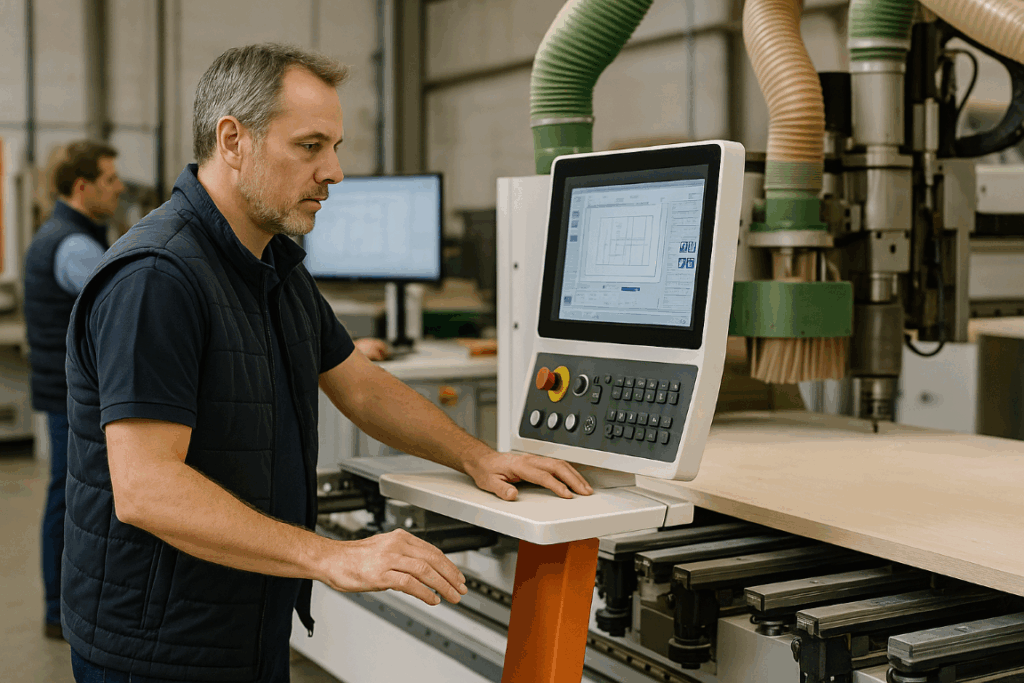
    The world of manufacturing is changing fast, and the woodworking sector is no exception. From advanced robotics and smart sensors to cloud-based control systems, the rise of Industry 4.0 is ushering in a new era of efficiency and precision. For UK manufacturers, understanding these technologies isn’t just optional – it’s key to staying competitive in 2025 and beyond.

    Industry 4.0

    The digital shift in traditional manufacturing

    In the past, woodworking relied heavily on manual labour and standalone machinery. Today, many workshops are investing in connected systems that allow operators to track production in real time. Machines now communicate with each other through integrated networks, helping to predict maintenance issues before they occur and ensuring every process runs smoothly.

    Automation, data analytics, and artificial intelligence are no longer futuristic concepts – they are practical tools improving productivity and product quality right now. Whether cutting panels, shaping frames, or producing bespoke joinery, digital control is redefining what precision really means.

    Sustainability driving smarter production

    As environmental concerns continue to influence the manufacturing landscape, businesses are looking for ways to reduce waste and energy use. Modern woodworking machinery is being designed to run more efficiently, often powered by electric motors that consume less energy than older hydraulic systems.

    Even waste materials are being reused or repurposed – a trend particularly visible in the popularity of briquette machines that convert sawdust and offcuts into clean, burnable fuel. This approach not only lowers disposal costs but also supports carbon-reduction goals, aligning with the UK’s broader environmental strategy.

    Industry 4.0

    Modular design and flexibility

    A key characteristic of Industry 4.0 is flexibility. Manufacturers are moving away from rigid, single-purpose setups in favour of modular systems that can adapt to new production needs. For woodworking, this means machines that can switch between profiles, joints, or materials without lengthy reconfiguration times.

    This agility allows businesses to handle custom orders, small batches, and rapid design changes – all while maintaining efficiency. It also means that when technology advances, individual modules can be upgraded rather than replacing entire machines, keeping costs under control.

    Data-driven precision and predictive maintenance

    Modern woodworking machinery is increasingly fitted with sensors that monitor vibration, temperature, and cutting accuracy. These sensors feed real-time data into software platforms that detect early signs of wear or imbalance. Predictive maintenance not only avoids unplanned downtime but also extends the lifespan of expensive components.

    Workshop managers can access this data remotely, enabling quick decisions and improved workflow planning. By combining data with smart algorithms, some systems can even optimise their own cutting patterns to reduce waste and shorten production times.

    The rise of collaborative robotics

    Collaborative robots – or cobots – are one of the most significant innovations in modern manufacturing. Unlike traditional industrial robots, cobots are designed to work safely alongside human operators. In woodworking, they can assist with repetitive or heavy tasks such as sanding, assembly, or material handling.

    This collaboration allows skilled workers to focus on precision craftsmanship and complex design while the cobots handle the physical labour. The result is a safer, faster, and more consistent workflow that still maintains the human touch that defines quality woodworking.

    Smarter workshops of the future

    Imagine a workshop where every machine communicates seamlessly – from the panel saw and CNC router to the finishing line and extraction system. Orders move automatically from design software to production, with minimal manual input. This vision is quickly becoming reality thanks to integrated control systems and intelligent machinery.

    These innovations are not limited to large factories. Even small and medium-sized woodworking businesses are adopting smart technologies to improve accuracy and reduce waste. As costs fall and training becomes more accessible, Industry 4.0 tools are now within reach of workshops across the UK.

    A link between tradition and technology

    While the latest digital innovations are changing the way materials are processed, the core principles of craftsmanship remain the same. Skilled joiners and furniture makers continue to rely on high-quality machinery to bring their ideas to life – only now, that machinery is faster, safer, and more sustainable.

    Companies investing in advanced woodworking machinery are finding it easier to meet demand, maintain quality, and future-proof their operations against economic uncertainty. The ability to combine modern automation with traditional craftsmanship is what will define successful workshops in the years ahead.

    Industry 4.0 FAQs

    What is Industry 4.0 in manufacturing?

    Industry 4.0 refers to the ongoing digital transformation of manufacturing, combining automation, AI, robotics, and data connectivity to make production more efficient and intelligent.

    How does smart machinery benefit smaller workshops?

    Connected systems allow small manufacturers to monitor performance, reduce downtime, and optimise output without needing a large technical team. Many solutions are now modular and scalable, making them ideal for growing businesses.

    Are sustainable machines more expensive to run?

    While initial costs can be slightly higher, energy-efficient machines often pay for themselves through lower running costs and reduced waste. They also help businesses meet environmental standards, which is becoming a major factor in securing new contracts.

  • Why Aliens Would Fail at Office Life

    Aliens are often portrayed as these advanced beings with shiny spaceships, superior technology and minds that can bend spoons with a glance. But picture this. You drop a group of them into a normal UK office on a Monday morning and suddenly the wheels come off faster than a budget swivel chair. This is Why Aliens Would Fail at Office Life…

    Why Aliens Would Fail at Office Life

    The Tea Dilemma

    First hurdle? The kettle. No matter how intelligent an intergalactic lifeform is, nothing prepares them for the delicate balance of office tea making. Too strong, too weak, milk first or milk last. Wars have started over less. It is only a matter of time before someone accuses Zog from Planet X of “ruining the builder’s brew” and suddenly HR is called in.

    Meetings With Tentacles

    Next problem: meetings. Humans already struggle with the concept of staring at a slideshow while pretending to care. Now add aliens who insist on communicating through interpretive dance or telepathic humming. Productivity would nosedive. Also, how do you politely tell a creature with twelve eyes that it is muted on Teams?

    Dress Code Disasters

    Then there is office fashion. Aliens with scales, tentacles and glow-in-the-dark skin would find “smart casual” a nightmare. Imagine the chaos of Casual Friday when someone shows up in a full exoskeleton, claiming it counts as a polo shirt.

    Flooring – The Silent Victim

    But the biggest downfall? Flooring. Yes, really. With all those slime trails, heavy claws and sticky appendages, standard office carpets would not stand a chance. Within a week the place would look like a teenager’s bedroom crossed with a swamp. The only thing that would save humanity from complete flooring destruction is specialist commercial flooring designed to handle anything life throws at it.

    This is where the real heroes come in. Companies like MacFloor specialise in exactly this sort of thing. Not alien goo specifically, but heavy use, spillages, high traffic and the kind of punishment that makes ordinary floors cry. Their commercial flooring solutions are designed for offices, schools, showrooms and any space that needs durability with style.

    Snacks, Printers and Other Mysteries

    Of course, flooring is only part of the reason aliens would never last in our offices. The vending machine is another. A machine that claims to stock crisps but only ever has salt and vinegar is enough to send any advanced civilisation running for the stars.

    And do not even get me started on the printer. Humanity’s greatest mystery is not black holes or dark matter. It is why the office printer refuses to work the moment you need it most. If the aliens crack that puzzle, then they truly are superior.

    Why Floors Keep Us Grounded

    Still, it is worth noting that if they ever do land, one thing will impress them. Our ability to complain about absolutely everything, from the temperature of the office air con to the squeak of a chair wheel. Which brings us back to the humble floor. If it creaks, groans, or starts developing suspicious stains, you will hear about it before the aliens even get a chance to abduct anyone.

    Why Aliens Would Fail at Office Life

    The Final Word

    So perhaps the true message here is this. If you want to keep your office functioning in a way that would not embarrass us in front of visiting extra-terrestrials, start from the ground up. Flooring matters. Get it right, and you will have a workplace that can survive tea spillages, swivel-chair races, and maybe even a slime-covered tentacle or two.

  • Ozzy Osbourne Dead: Heavy Metal Mourns a True Original

    The hard‑rock fraternity was plunged into grief on 22 July 2025 with confirmation that ozzy Osbourne dead at the age of 76. The Black Sabbath front‑man, affectionately dubbed the “Prince of Darkness”, passed away peacefully at his Los Angeles home after a lengthy battle with Parkinson’s disease. A family statement thanked supporters for “decades of unrelenting love and glorious madness”, while requesting privacy. Within hours #RIPOzzy topped global social‑media trends, and Birmingham’s Bullring became a spontaneous shrine draped in denim jackets, cherished vinyl sleeves and flickering candles as locals blasted Paranoid from portable speakers.

    A Voice That Defined Heavy Metal

    Ozzy Osbourne Dead

    Born John Michael Osbourne in Aston, Birmingham, in 1948, Ozzy swapped factory shifts for stage lights when Black Sabbath released their self‑titled debut in 1970. His spectral vibrato on tracks such as War Pigs and Iron Man effectively invented the growl and wail that countless metal vocalists would emulate. Five era‑defining albums followed before his 1979 dismissal for “excessive revelry”, yet a phoenix‑like solo career – launched by the now‑classic Blizzard of Ozz – proved he could flourish outside Sabbath. That LP shifted four million copies and birthed staples like Crazy Train and Mr Crowley, establishing him as a genre unto himself.

    Chaos, Illness and Unbreakable Resilience

    Chaos always circled him. The infamous 1982 bat‑biting incident, a limousine scandal involving live doves and a near‑fatal quad‑bike crash in 2003 became tabloid legend, yet each disaster underscored his knack for survival. In 2020 he revealed he had lived with Parkinson’s since 2003, enduring a string of spinal operations while still recording the Grammy‑winning album Patient Number 9. Ever the self‑deprecating Brummie, he joked that he was “held together by metal plates and stubbornness”, turning personal struggle into a rallying cry for fans facing their own demons.

    The Final Bow in Birmingham

    Fittingly, Ozzy’s last live appearance came on 5 July 2025 at Back to the Beginning, a one‑night hometown reunion with Tony Iommi, Geezer Butler and drummer Tommy Clufetos at Aston Villa’s Villa Park. Frail but defiant, he sat on a gothic throne flanked by towering crucifixes while screens behind him played grainy Super‑8 footage of Sabbath’s earliest gigs. The set opened with Children of the Grave and closed, inevitably, with Paranoid. “This is where it all began, and this is where I’ll say my goodbye,” he told the 50 000‑strong crowd, drawing tears and a standing ovation that echoed through the terraces.
    Sky News

    Tributes That Echo Like Feedback

    The response to Ozzy’s passing has been as thunderous as any power chord. Daughter Kelly Osbourne quoted their 2003 duet Changes: “I feel unhappy, I am so sad, I lost the best friend I ever had 💔.” Tony Iommi hailed “my brother in riff‑ridden arms”, Metallica’s James Hetfield described him as “the gateway drug to heavy metal”, and Prime Minister Angela Rayner praised a legacy that “embodied British creativity at its loudest”. Wembley Stadium’s arch glowed crimson before Iron Maiden’s curtain‑closing set, and Accor Arena in Paris dimmed its house lights for a minute’s feedback‑laden silence.

    A Legacy Forged in Iron

    From council‑estate kid to global icon, Ozzy earned dual Rock & Roll Hall of Fame inductions, multiple Grammys and even reinvented reality television through The Osbournes. Yet numbers alone cannot capture the liberation his music offered generations of outsiders: permission to be loud, weird and unapologetically themselves. As midnight strikes and fans howl the Paranoid riff into the drizzle above Digbeth, one truth roars louder than any Marshall stack: legends may fall, but real heavy metal never dies.

  • Welcome to the Chaos

    This website used to be about everything Metal, and we hope to continue that as we move into a new age.

    If you would like to help contribute to this website, please get in touch by commenting below.

    If the OG owners find this, reach out and get back involved 🙂