Author: Alex Mason

  • Why Scottish Metal Is Having Its Most Exciting Moment in Decades: Bands, Venues and a Scene on the Rise

    Something has been stirring north of the border for a while now, and in 2026 it’s finally impossible to ignore. Scottish heavy metal bands this year are putting out records that would hold their own against anything coming out of Scandinavia or mainland Europe, playing to packed crowds in venues that have no right to sound that good, and building a scene identity that feels genuinely distinct from what’s happening in London, Bristol or Manchester. I’ve been watching this develop for a few years, and honestly, the momentum right now feels different. It feels like a tipping point.

    Glasgow: still the beating black heart of it all

    Glasgow has always been the gravitational centre of Scottish metal. The Cathouse on Union Street is the obvious anchor point, a venue that’s been hosting extreme music since 1991 and shows absolutely no sign of softening. But what’s changed in 2026 is the density of serious, touring-level acts that now call the city home. Bands like Haar, whose atmospheric black metal draws heavily on the bleakness of the west coast, and Atragon, who play a kind of doom-soaked sludge that could shake the walls of a cathedral, are both releasing material this year that deserves a much wider audience than they currently have.

    The Cathouse still pulls mid-size international acts through, but some of the most interesting gigs lately have been the basement shows at Mono on King’s Court and the recurring extreme metal nights at Audio on Waterloo Street. These are the rooms where Scottish metal is actually being forged. Sweaty, chaotic, occasionally ear-damaging in the best possible way. If you haven’t been to a Glasgow metal night in the last eighteen months, you’re genuinely missing something.

    Edinburgh’s underground and why it punches harder than you’d expect

    Edinburgh gets unfairly written off sometimes as the more buttoned-up sibling. That perception is wrong. The city has a thriving underground scene built around venues like The Banshee Labyrinth on Niddry Street, which is exactly as gothic and labyrinthine as the name suggests, and Sneaky Pete’s, which regularly hosts black metal and doom nights alongside its more electronic programming. There’s also the legendary Bannerman’s Bar on Cowgate, which has been a cornerstone of the city’s heavier music for decades.

    Edinburgh’s output in 2026 leans towards the more atmospheric and progressive end of the spectrum. Bands like Falloch alumni and newer acts building on that post-metal tradition are creating music with real emotional weight. The city’s architecture and its fog-drenched winters seem to seep directly into the music. I’d argue Edinburgh’s metal sounds like its streets look: old, dark, and carrying centuries of something unresolved.

    Beyond the central belt: Dundee, Aberdeen and the north

    The conversation about Scottish metal too often stops at Glasgow and Edinburgh, which does a disservice to what’s happening further afield. Dundee’s scene is small but intensely dedicated, with a handful of bands playing technical death metal that would turn heads at any European festival. Aberdeen has long had a strong connection to harder music, partly because the oil industry brought workers from all over the world and left behind a diverse, adventurous musical community.

    The Highlands and islands are producing folk-inflected black metal that takes the genre’s grimness and routes it through something genuinely ancient. This is the sound that distinguishes Scottish metal from anything else in the UK. When a band from Inverness or Skye incorporates traditional Gaelic musical ideas into a black metal framework, it doesn’t sound like a gimmick. It sounds like it couldn’t have come from anywhere else.

    What makes Scottish metal culturally distinct

    There’s a specific quality to the best Scottish heavy metal that I find hard to pin down but impossible to miss. Part of it is landscape. You can hear the mountains and the weather and the particular grey quality of Scottish light in records that have nothing explicitly to do with any of that. Part of it is a tradition of taking your craft seriously without taking yourself too seriously, a kind of gruff unpretentiousness that runs through the scene’s DNA.

    Scottish bands also seem less interested in chasing trends than their counterparts elsewhere. Whilst the rest of the UK’s metal scene has gone through various waves of enthusiasm for blackgaze, djent and post-metal crossover, the Scottish scene has quietly continued doing what it does, occasionally incorporating outside influences but never allowing them to dilute whatever the core thing is. There’s a stubbornness to it that I genuinely respect. According to BBC Scotland’s music coverage, Scottish acts across multiple genres have seen increasing recognition in 2025 and into 2026, with heavier acts finally getting some of that visibility.

    Venues under pressure, and fighting back

    None of this exists in a vacuum, and I’d be dishonest if I didn’t acknowledge the structural pressures the scene faces. Scottish metal venues deal with the same licensing battles and noise complaint nightmares that affect the wider UK scene. The legal battles facing UK metal venues are as acute in Glasgow and Edinburgh as anywhere, and several important Scottish rooms have come close to closure in recent years due to the combination of rising costs and environmental noise regulations.

    The cost-of-living squeeze has made touring harder for Scottish bands too. Getting from Glasgow to London and back for a two-night run is expensive. Getting from Aberdeen to anywhere is very expensive. This is why the network of local promoters and community-run nights matters so much. How UK metal bands and fans are keeping the scene alive whilst money gets tight is a question Scottish promoters are answering with resourcefulness, running low-overhead shows, sharing backlines, and building audiences through social media and fanzine networks rather than expensive advertising.

    What to listen to right now

    If you want to actually plug into what’s happening with Scottish heavy metal bands in 2026, start with Haar’s latest record, which sits somewhere between Wolves in the Throne Room and something entirely its own. Look for anything coming out of the Glasgow label Aesthetic Death’s Scottish roster. Keep an eye on the Edinburgh promoter collective Beltane Promotions, who consistently put on the best extreme metal bills in the city. And if you get a chance to catch a live show, take it. The records are good. The live experience is another thing entirely.

    Scotland’s metal scene in 2026 is not a hidden gem waiting to be discovered by someone further south. It’s a functioning, self-sustaining ecosystem with its own identity, its own infrastructure, and its own very clear idea of what it’s doing. The rest of the UK is catching up to what’s been obvious up here for years. If you care about dark fashion and the culture built around it, the aesthetic coming out of Scottish metal right now is also worth your attention: bleak, raw, and deeply unfashionable in a way that is, paradoxically, extremely compelling. The layered, dark wardrobe aesthetic of the British winter has a particularly strong expression in Scottish metal circles, where function and grimness have always been the same thing.

    This is the most exciting the scene has been in decades. Pay attention.
  • Noise, Neighbours and Licensing: The Legal Battles Facing UK Metal Venues in 2026 and What Fans Can Do About It

    Noise, Neighbours and Licensing: The Legal Battles Facing UK Metal Venues in 2026 and What Fans Can Do About It

    There is a slow war being fought on the high street, and most people walking past have no idea it’s happening. A venue that has hosted live metal for twenty years gets a new block of flats built next door. Six months later, the noise complaints start. Then the council letters. Then the licence review. Then silence. I’ve watched this happen to venues I genuinely loved, and it never gets less gutting. The situation around UK metal venues licensing noise complaints 2026 is one of the most serious structural threats the live scene has faced in a generation, and it deserves a proper reckoning.

    Interior of a small UK metal venue stage under moody red lighting, relevant to UK metal venues licensing noise complaints 2026
    Photo by ELEVATE on Pexels

    How venues are losing the battle before it even starts

    The core problem is planning law and the way it has historically been applied. A developer builds residential property near an existing venue. The new residents complain about noise. The venue, despite having operated for years before anyone moved in, bears the burden of proof and the cost of acoustic remediation. Without legal protection, the venue either spends tens of thousands of pounds on soundproofing or risks losing its licence under the Licensing Act 2003.

    The Music Venue Trust, which represents hundreds of grassroots venues across the UK, has documented this pattern repeatedly. Venues like the Fleece in Bristol and the Boileroom in Guildford both faced existential pressure from exactly this kind of development creep. The Fleece’s campaign in particular became a rallying point for the wider industry, demonstrating that organised fan and community pressure could hold a venue open when legal mechanisms alone were failing.

    The financial dimension is brutal. For a 300-capacity metal venue running two or three gigs a week, the margin is already razor-thin. Acoustic consultancy reports, structural modifications and legal representation in licensing hearings can cost anywhere between £15,000 and £80,000. That is not money most independent venues have sitting around. As I covered in my piece on how UK bands and fans are keeping the scene alive under financial pressure, venues are already operating at the edge, a licensing challenge can be the thing that tips them over.

    What is the Agent of Change principle and does it actually work?

    The Agent of Change principle is the legal idea that whoever introduces a change to an area takes responsibility for managing the impact of that change. In plain terms: if you build a block of flats next to a working music venue, you are the one who installs the soundproofing, not the venue. The principle was incorporated into the National Planning Policy Framework in England in 2019, after sustained lobbying from UK Music and the Music Venue Trust.

    On paper, it’s a genuine win. In practice, the picture is messier. The principle applies to new planning applications, meaning it does nothing for venues already surrounded by recently completed developments. Local planning authorities also vary enormously in how rigorously they apply it. Some councils treat it as a firm condition; others treat it as a consideration to be weighed against other factors, which in practice often means the developer’s interests win out. Scotland and Wales have their own planning frameworks, and the devolved application of Agent of Change has been inconsistent.

    The government’s own guidance on this is available via the National Planning Practice Guidance on noise, which sets out how planning authorities should handle entertainment venues. Worth reading if you’re in the middle of a fight with your local council, it’s dry as hell, but it matters.

    Real cases where fans made the difference

    The Save the Fleece campaign in Bristol is probably the most cited example of fan activism actually working. When the venue faced closure pressure in 2022, the response was immediate: petitions, letters to the council, media coverage, and a gig that sold out within hours. The council backed down. The venue stayed open. That campaign established a template that has since been used in other towns.

    More recently, venues in Leeds, Manchester and parts of East London have faced similar battles with varying outcomes. What the successful campaigns have in common is speed, organisation, and a clear legal argument running alongside the emotional one. Shouting about how much you love a venue matters, but it lands harder when you can also cite planning policy and point out that the developer’s acoustic assessment was inadequate.

    Fans who want to actually help need to do more than share a Facebook post. Showing up to licensing hearings as a supporter matters, councils take notice when a room is full of people who care. Writing to your local councillor and your MP before a hearing, not after, can shift the political calculation. The Music Venue Trust’s own resources are genuinely useful here, and they run training for community campaigns. I’d also point you towards understanding what attending a gig actually signals in economic terms; the argument that a venue generates footfall, spending and employment for a town centre is one local authorities tend to respond to.

    The licensing system itself is part of the problem

    Even without development pressure, the Licensing Act 2003 creates headaches. Late-night entertainment licences, mandatory licence conditions, and the way that a single sustained noise complaint can trigger a review, these are structural issues that disproportionately affect smaller venues running heavy music. A classical concert hall and a metal venue running at 110 decibels are not the same thing, and the licensing framework does not always make space for that distinction.

    Local authorities have wide discretion in how they apply licence conditions. A condition requiring a venue to close at midnight effectively kills the late show model that most touring metal acts rely on. I’ve spoken to promoters in the Midlands who have had to turn down touring acts simply because the licence conditions attached to their venue by a noise complaint review made a 10pm curfew non-negotiable. That’s not just a local problem, it affects the viability of touring in the UK, which feeds back into the health of the scene as a whole. If you’re navigating this as a promoter, the guidance in the article on the reality of gigging in the UK gives useful context on the logistical pressures venues and fans are already managing.

    What needs to change, and what you can do now

    The Music Venue Trust has been pushing for a statutory Agent of Change provision that goes beyond planning policy guidance, something with real legal teeth. There is also ongoing pressure to reform the way noise complaints trigger licensing reviews, so that a small number of complaints from new residents do not automatically place the burden of proof on a venue that predates them by a decade.

    In the meantime, fans are the most effective political constituency the scene has. Local elections matter. Candidates who understand the cultural value of live music venues respond to pressure from voters who turn out. If your local venue is under threat, contact the Music Venue Trust. Attend the council meeting. Write the letter. The scene documented in pieces like the roundup of UK metal festivals worth attending in 2026 exists because people before us fought for the spaces that made it possible. That fight has not ended, it has just moved into planning committees and licensing hearings, and it needs the same energy.

    UK metal venues are not going to be saved by nostalgia. They get saved by people who show up.

  • Platform Boots, Fishnet and Rain: How to Dress for a UK Outdoor Metal Festival Without Sacrificing Style

    Platform Boots, Fishnet and Rain: How to Dress for a UK Outdoor Metal Festival Without Sacrificing Style

    I’ve stood in a flooded field at Donington Park in a corset top and borrowed wellies, watching someone’s fishnet tights disappear into six inches of mud, and I can tell you with complete confidence that metal festival outfit ideas UK deserve more serious attention than most people give them. The glossy festival fashion content you’ll find elsewhere treats muddy outdoor events like a photoshoot backdrop. For those of us committed to the aesthetic, it’s actually a genuine logistical problem. You want to look like you’ve walked out of an Amon Amarth album cover. The British weather wants you to look like a drowned rat.

    The good news is that you can absolutely maintain a committed dark aesthetic across three or four days at Download, Bloodstock or any of the other UK metal festivals worth your money in 2026. It takes planning, the right kit, and being honest with yourself about what’s practical versus what only works indoors.

    Metal festival crowd in dark clothing and platform boots at a UK outdoor festival, showing metal festival outfit ideas UK
    Photo by Rahul Pandit on Pexels

    Why UK festival weather is a different beast

    British summer weather is genuinely unpredictable in a way that makes packing for a festival feel like a minor act of divination. The Met Office will tell you there’s a 40% chance of showers on Saturday and that information means almost nothing. I’ve been at festivals in August where it touched 29°C on day one and dropped to 12°C with driving rain by day three. Pack for both and you’ll be carrying half a wardrobe. That’s fine. A proper festival bag is part of the commitment.

    Download at Donington Park sits on clay-heavy ground. One sustained downpour and those fields turn viscous. Bloodstock at Catton Hall has slightly better drainage in places, but it’s still Staffordshire in August. The mud is coming. Plan around it rather than hoping it won’t show up.

    Boots: the foundation of every metal festival outfit idea UK fans should know

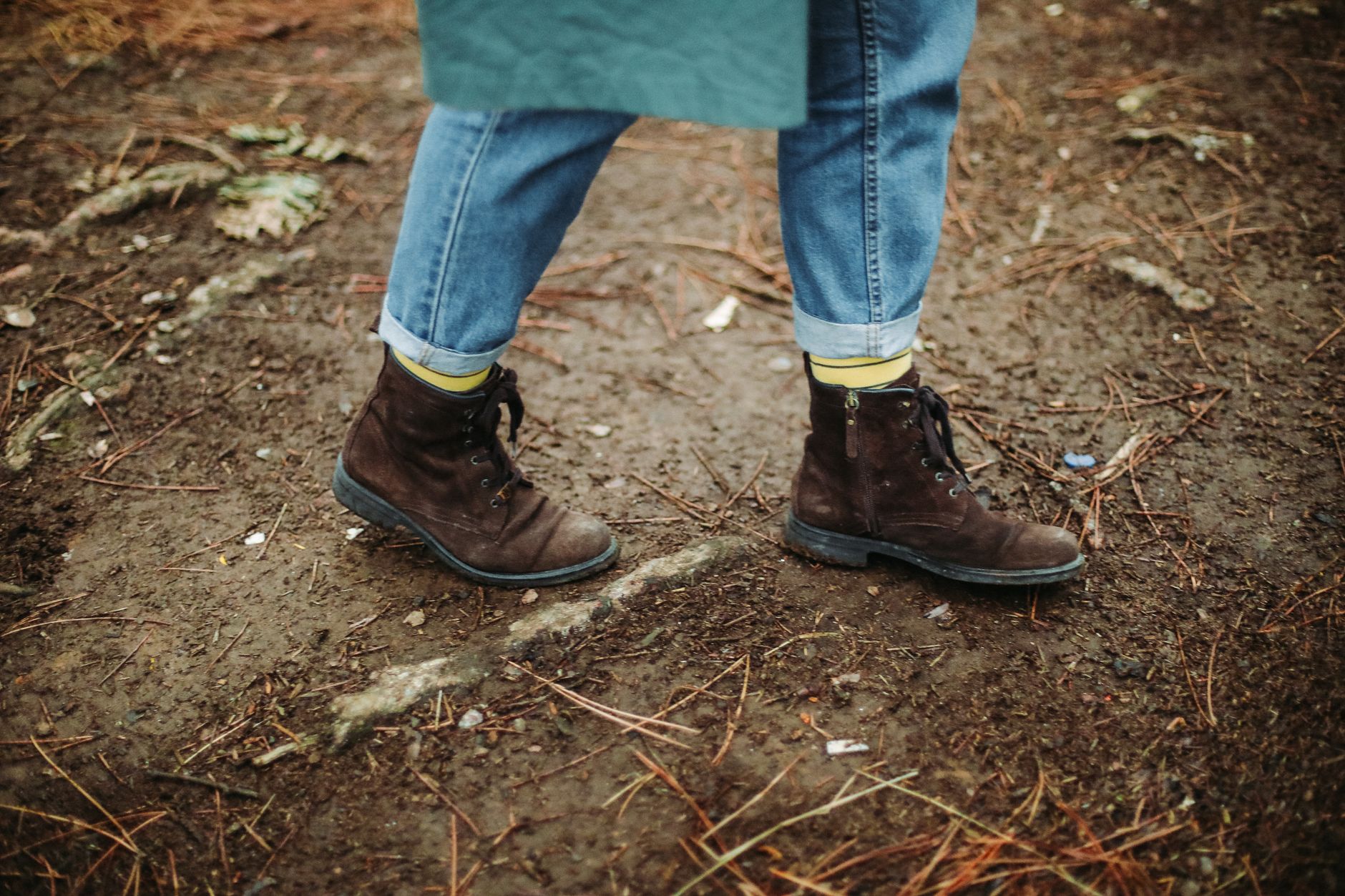
    Here’s my actual advice, which I know will get push-back: your best platform Demonia boots should not be on your feet during the main travelling day. Wear them. Wear them proudly. But bring a pair of serious wellies or waterproof lace-ups for the mud transit between stages and your tent. The distance between the main stage at Download and the camping area is not a short one, especially after midnight in the rain. I’ve seen incredible footwear destroyed in that walk.

    If you’re committed to boots on stage all day, invest in Docs or something with a genuine waterproof lining. New Rock boots with a proper sole hold up surprisingly well in wet conditions. The platform look you want doesn’t have to vanish just because the weather turns. Layer a waterproof wax spray on leather before you leave home. It takes ten minutes and saves an expensive pair of boots.

    Layering is the dark aesthetic’s best friend

    This is where the metal and goth wardrobe actually has a structural advantage. Layering is already part of the visual language. A mesh top under a fitted jacket under a long waxed coat reads dark and intentional. It also keeps you warm at midnight when the temperature drops to 10°C and everyone in festival-branded hoodies looks exactly the same.

    I’d point anyone building their festival look towards the same approach outlined in the layering guide for metal-influenced winter wardrobes on this site, because the logic transfers directly. Base layer, structural mid-layer, weather-proof outer. Do it in black, do it in textures, and you have something that works visually and practically.

    A long waterproof coat in black is not a compromise. It’s an upgrade. Military surplus greatcoats with a waterproof liner are available at most army surplus shops for reasonable money and they look exactly right over band tees and fishnet. Charity shops near university towns often have them too.

    Fishnet, mesh and the mud problem

    Fishnet tights are a genuine festival staple for good reason. They layer under everything, they dry fast, and they look correct. The issue is ground-level mud splatter. By the end of a long day, anything below the knee has a coating. My approach: pack three pairs of tights. They weigh nothing. A fresh pair on day two costs you nothing in bag space and means you don’t have to spend Sunday looking like the mud won.

    Mesh tops work fine in warm weather but get heavy and cold when wet. A technical base layer underneath solves that. There are plenty of moisture-wicking black underlayers sold for outdoor sport that work perfectly under festival outfits and cost less than a new band tee. Decathlon does a solid range. You’ll look after yourself thermally and nobody watching from the crowd knows or cares what’s under the mesh.

    Make-up that survives from midday to midnight

    I’m not going to pretend there’s a full face of dramatic eye make-up that holds up through a muddy metal festival without touching up. There isn’t. What there is: waterproof liner, setting spray, and realistic expectations. The BBC Weather forecast for the festival weekend is worth checking obsessively from about a week out, and adjusting your make-up plan accordingly.

    A lot of people in the scene go heavier on the make-up as the festival progresses rather than chasing perfection from the start. Day three smudged eyeliner and lived-in hair is a legitimate look. Some of the best festival shots I’ve seen embrace the decay rather than fighting it. There’s something genuinely metal about looking like you’ve been through it.

    What to actually pack: the practical rundown

    Without turning this into an itemised list that reads like a camping checklist, here’s how I’d think about it. One full committed outfit per day, with a secondary pair of boots or waterproof footwear for movement. Enough tights and base layers to swap daily. A waterproof outer layer you’re not precious about. Black bin liners in your tent for kit storage off the ground. A dry bag or ziplock pouches for anything moisture-sensitive like make-up and phone.

    The realities of getting to and from metal events in the UK apply here too: what you wear on the journey matters, because a muddy festival site to a packed train carriage is a transition that deserves thought. Pack a travel outfit for the journey home that isn’t your best festival gear.

    Patches, pins and jewellery at outdoor festivals

    Hardware is part of the look but spikes, rings and elaborate chain jewellery carry real risks in crowd situations. I’d keep statement jewellery for quieter moments on site and wear something lower-profile in the pit. Embroidered patches on jackets and bags hold up well outdoors and get better with age and weather exposure. If you’ve built up a collection through the DIY merch and patch culture in the UK scene, a festival jacket covered in them is exactly the right environment to wear it.

    Studs on leather are fine. Heavy chain belts in a mosh pit are a liability, for you and the person next to you. Choose accordingly.

    The point isn’t looking pristine, it’s looking intentional

    The aesthetic that works best at UK outdoor metal festivals is one that looks considered, not fragile. An outfit that reads like it was planned to be out there, in the dark, in the rain, watching something heavy. That’s a different brief to a polished photoshoot look, and honestly it’s a more interesting one. The mud, the smudged liner, the weathered leather, none of that undermines the aesthetic. It completes it. You’re not at a fashion week. You’re at Bloodstock.

    Frequently Asked Questions

    What are the best boots for metal festivals in the UK?

    Waterproof or water-resistant boots with a sturdy sole are the most practical choice for UK outdoor festivals where mud is likely. New Rock boots or Docs with a wax treatment hold up well, but carrying a secondary pair of wellies or waterproof trainers for travelling across the site saves your best footwear from heavy damage.

    How do I keep my dark festival look in wet weather?

    Layering is key: a mesh or band tee base, a structured mid-layer like a fitted jacket, and a long waterproof black coat over the top keeps the aesthetic intact while protecting you from British rain. Waterproof setting spray on make-up and a fresh pair of tights each day help maintain the overall look.

    What should I pack for a three-day metal festival like Download or Bloodstock?

    Plan one full outfit per day plus a secondary pair of footwear for muddy transitions. Pack extra tights, moisture-wicking black base layers, a waterproof outer layer, and small dry bags or ziplock pouches for make-up and valuables. Black bin liners in your tent keep kit off the wet ground.

  • Night Buses, Black Clothes and Wet Weather: The Reality of Gigging in the UK as a Metal Fan

    Night Buses, Black Clothes and Wet Weather: The Reality of Gigging in the UK as a Metal Fan

    Nobody tells you the unglamorous bits. The romantic version of going to metal gigs UK-wide involves sweat, riffs loud enough to loosen fillings, and a crowd that actually means it. The realistic version involves standing at a bus stop in the rain at 11:45pm, your jacket-patch-encrusted hoodie soaked through, squinting at a Trainline notification telling you your connection to somewhere twelve miles away has been cancelled. Both versions are true. I’ve lived through both, many times, and I wouldn’t trade a single cold, damp, blissful evening of it.

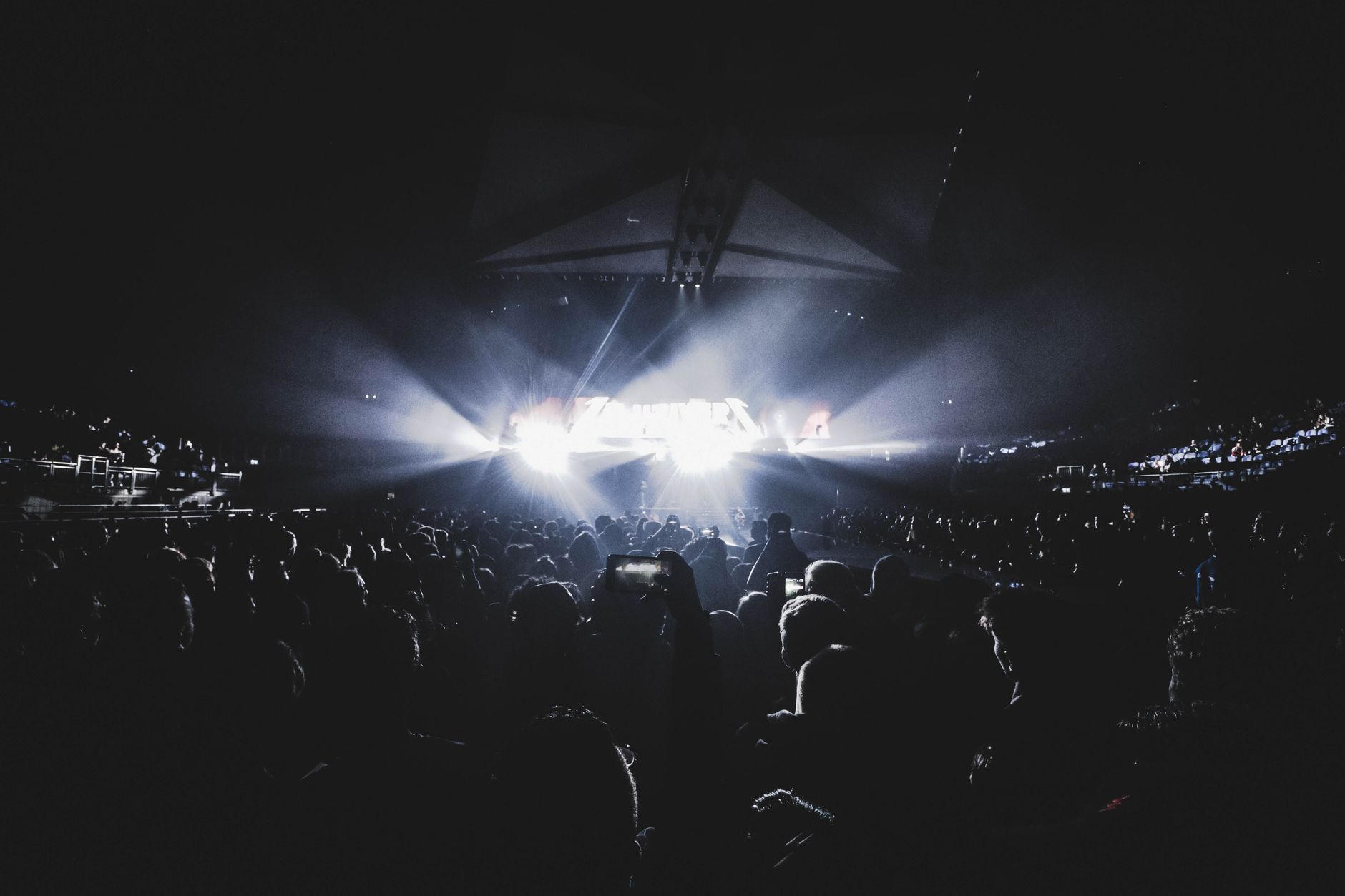
    Packed crowd at a metal gig in a UK venue, arms raised in the dramatic stage lighting
    Photo by Máté Lakatos on Pexels

    Getting there without a car (the eternal nightmare)

    Most UK metal venues sit in city centres or slightly grim edge-of-centre postcodes. That’s fine. The problem is getting back. If you’re lucky enough to live in London, Manchester, or Birmingham, you have a fighting chance with night tubes, night buses, or Ubers that don’t cost the same as a week’s rent. Everywhere else? Good luck.

    I’ve stood outside the Joiners in Southampton, outside the Garage in Glasgow, outside The Fleece in Bristol, watching the Uber surge multiplier climb like a scoreboard in the wrong direction. The two-train-and-a-bus journey that got you there by 6pm becomes a philosophical challenge at midnight. National Rail’s night train information pages are useful, but let’s be honest: most of us are checking them panicked on our phones with ringing ears and half a pint of Guinness still inside us.

    The solution most seasoned gig-goers land on is the same one every time: find someone with a car, a sofa, or both. The metal community’s actual secret weapon isn’t its music. It’s the elaborate network of floor-sleeping arrangements that keeps the scene functioning.

    The dress code versus British weather problem

    Going to metal gigs UK means dressing for a venue that will be approximately 900°C inside and approximately 4°C outside, with 80% humidity either way. This is not a solvable problem. It is a condition you learn to endure.

    Black is non-negotiable, obviously. But black absorbs every raindrop the British sky has to offer and becomes a soggy second skin by the time you’ve walked ten minutes from the car park. Leather keeps out the wind but traps the sweat of two hours of headbanging like a bin bag. Band shirts are too thin for October but too warm for July, and the UK manages to give you both weathers in the same fortnight regardless of the month.

    I’ve written before about building a metal-influenced wardrobe that actually functions in British winters, and that piece covers layering properly. But I’ll add this: the single most useful item I own is a waxed cotton jacket with internal pockets large enough for a paperback and a bag of crisps. It’s not glamorous. It works.

    If you want the full layering breakdown for British conditions, the guide over at building a metal-influenced wardrobe for a British winter is worth reading before you commit to wearing the wrong thing to a November show in Leeds and spending the whole set shivering at the back.

    The pre-gig pub: a sacred ritual with strict unspoken rules

    The pre-gig pub is not optional. It is not a preamble. It is part of the gig. In most British cities there’s one pub within a five-minute walk of the venue that functions as the unofficial congregation point, and by 6pm it’s full of people in battle jackets arguing about setlists and whether the sound at this particular venue has improved since they replaced the desk.

    In Birmingham, you end up at whichever pub near the O2 Institute or the Asylum isn’t playing chart music too loudly. In London it might be something near the Forum in Kentish Town or a Wetherspoons that everyone claims to hate but keeps returning to because it’s cheap and near the Roundhouse. Manchester has the Night and Day and its surrounding orbit of decent boozers. Glasgow’s Garage shows funnel everyone into the surrounding grid of pubs with impressively relaxed attitudes to dress code.

    The rules of the pre-gig pub, unwritten but universally observed: you do not sit down if people are standing, you don’t put anything on the jukebox that kills the mood, and you make sure everyone knows what time doors open. Someone will forget. It’s always the same person.

    Inside the venue: the bit we actually came for

    Once you’re in, all the logistical suffering dissolves. This is what going to metal gigs UK is actually about. The cloakroom queue, the bar queue, the finding a spot with sightlines that doesn’t require standing directly behind the tallest person in the building. These are minor obstacles. The wall of sound when the band hits the stage makes every cancelled train worth it.

    Smaller venues have a particular intensity that arena shows can’t replicate. I’d rather see a band in a 400-capacity room with genuine danger of losing a shoe in the pit than in a 10,000-seat arena with the mix coming through like a laptop speaker. The UK’s mid-sized venue circuit, places like The Wedgewood Rooms in Portsmouth, The Roadhouse, The Sugarmill in Stoke, is where metal actually lives. These aren’t glamorous buildings. They are, many of them, essentially large rooms above pubs. They sound enormous anyway.

    After the show: the post-gig chip shop tradition

    The chips are non-negotiable. I don’t care what anyone says about nutrition or the time of night. After ninety minutes of metal at volume, the body requires carbohydrates and salt. This is science.

    Every city has its post-gig chip shop and every regular gigging community knows which one it is. In some places it’s a genuine chippy that’s stayed open deliberately because of the venue around the corner. In others it’s a kebab shop that technically also does chips and nobody is particularly fussy about the distinction at 11:30pm. The post-gig chip shop is where you decompress, compare notes, decide which songs were the highlight, and half-heartedly argue about whether the encore went on too long.

    There’s a social warmth to this that I find genuinely moving, which is a strange thing to say about eating chips outside a venue in the cold. But the metal scene runs on community, and you feel it most clearly in these small moments: a crowd of people in black, slightly deaf, happy, standing on a British pavement eating out of paper and talking about music.

    The morning after: the real cost of going to metal gigs UK

    You will not sleep well. Your ears will ring. If you’re travelling home on public transport, the first train might be at 5:47am and you’ll either stay up for it or sleep on a stranger’s sofa. Your clothes will smell of a combination of smoke machine fluid, other people’s deodorant, and something unidentifiable from the venue carpet.

    None of this is a complaint. It’s a description of what a good night looks like.

    Going to metal gigs UK is always worth it. The logistics are genuinely terrible sometimes. The weather will be against you. The transport will let you down. The queue for the bar will be long and the queue for the gents even longer. But the music, the crowd, the moment when the room locks in together around something loud and real? That doesn’t happen anywhere else. Not on a streaming platform. Not through headphones at home.

    If you want to know which festivals offer that feeling at scale without breaking the bank, the rundown of UK metal festivals beyond Download in 2026 covers several that still feel like the community showing up for itself rather than a corporate exercise. And if you’re invested enough in the scene to want the physical, printed side of it too, the world of UK metal fanzines is still very much alive and worth seeking out.

    Now go book something. The chips won’t eat themselves.

  • Anti-Surveillance Fashion: How UK Metal and Goth Culture Is Wearing Resistance on Its Sleeve

    Anti-Surveillance Fashion: How UK Metal and Goth Culture Is Wearing Resistance on Its Sleeve

    There is something very metal about refusing to be seen. Not in the cowardly sense. In the defiant sense. The raised middle finger sense. UK metal and goth communities have always understood that visibility is a form of vulnerability, and in 2026, with facial recognition cameras multiplying across British city centres and smart devices logging everything from your heating habits to your voice, that instinct has sharpened into something that looks a lot like a genuine cultural movement. Anti-surveillance fashion is not a tech trend. It is a war aesthetic.

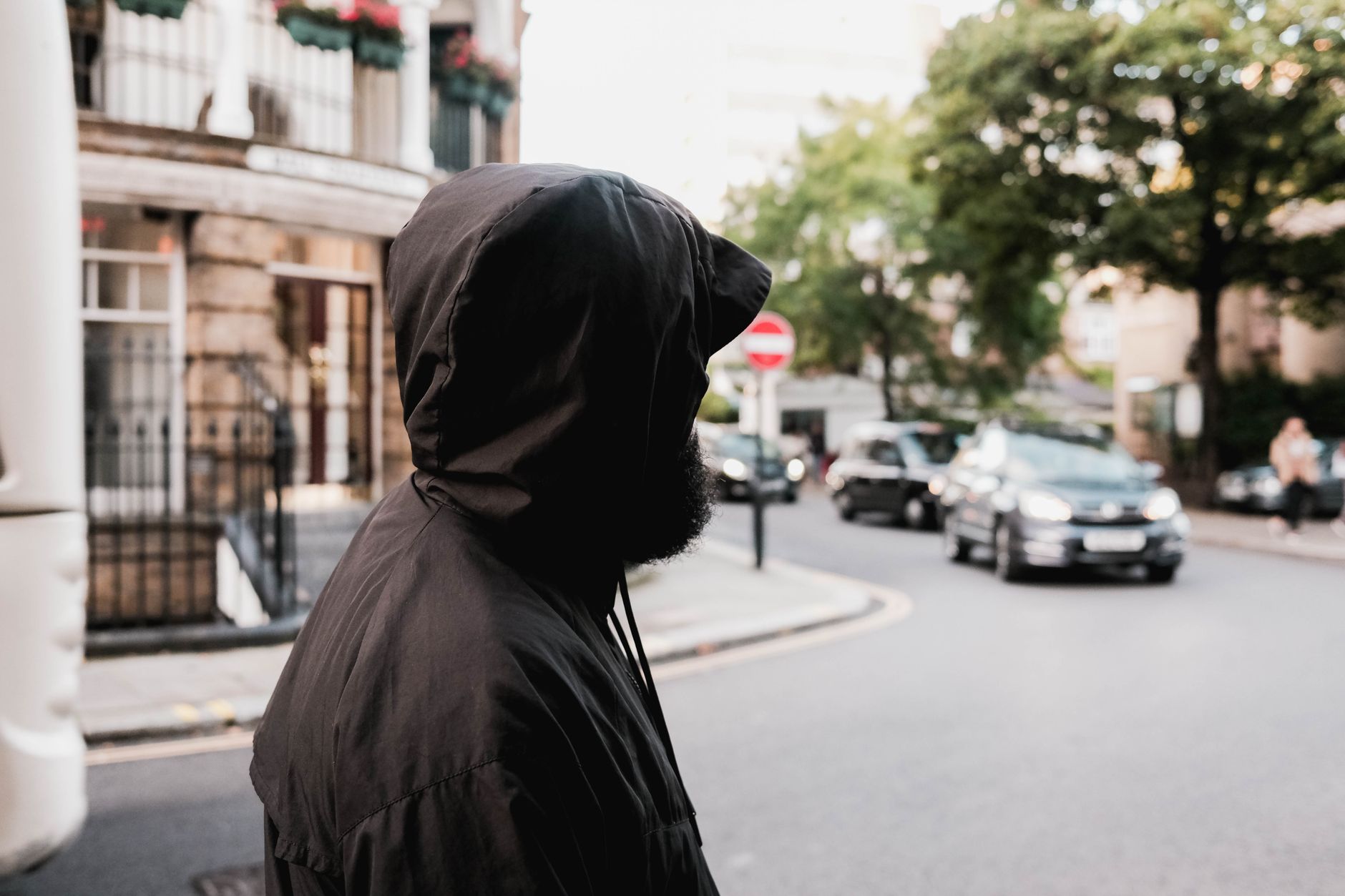
    Hooded figure in anti-surveillance fashion on a dark British city street at night
    Photo by Airam Dato-on on Pexels

    I have been watching this develop for a couple of years now, and what strikes me is how naturally it fits the existing grammar of dark subculture. The heavy hoods. The deep cowls. The geometric face paint borrowed from black metal’s corpse-paint tradition. The mirrored lenses that throw your own gaze back at you. None of this started as a political statement about the Surveillance Camera Commissioner’s code of practice or the proliferation of connected infrastructure. It started as aesthetic. But aesthetics carry politics, whether they mean to or not.

    The occult image as counter-signal

    Occult imagery in heavy metal has always carried an element of refusal. Refusing mainstream legibility. Refusing the comfortable read. The pentagram, the inverted cross, the sigil-covered jacket, these symbols exist partly to unsettle, to mark the wearer as someone who will not be easily categorised. That function has taken on new weight. When algorithms attempt to process and classify human faces and bodies, ambiguity becomes armour. A face painted in stark black-and-white geometry does not resolve cleanly into a database entry. A hood pulled low over mirrored goggles breaks the angle every time. Whether or not that was the original intention, it works.

    I spoke to a few people at a Manchester underground metal night back in spring 2026 who were very conscious of this. One of them, a woman in a full black veil and hand-painted coat covered in alchemical symbols, told me she had not started dressing that way to avoid cameras. She started because she loved the symbolism, the history, the weight of it. But she was not remotely upset that it had that secondary effect. “If the camera can’t read me, I consider that a bonus,” she said. That sentiment is everywhere in this scene right now.

    Anonymity aesthetics and the history they draw from

    This is not invented from scratch. The black metal tradition of anonymity runs deep: musicians who perform under single-syllable names or runes, bands who release albums with no photographs of the members, artists who appear only masked or painted. That aesthetic of erasure has fed directly into how dark subculture thinks about visibility. When I look at the way the current underground black metal wave presents itself, the refusal to be clearly seen is built into the artistic identity from the ground up.

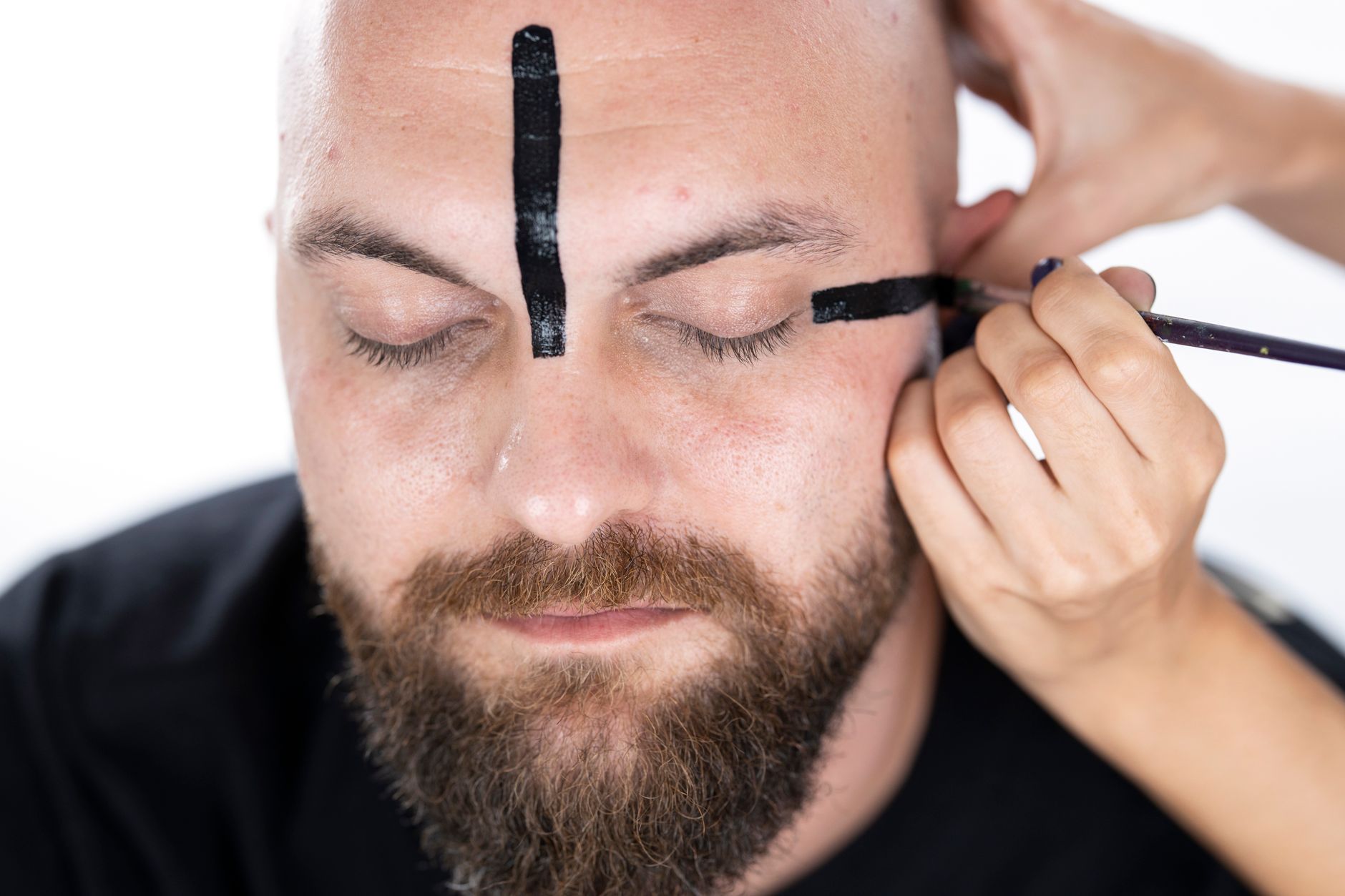
    Close-up of black metal corpse paint used as anti-surveillance fashion in dark subculture
    Photo by Engin Akyurt on Pexels

    Goth culture has its own version of this. The Victorian mourning dress that conceals rather than displays the body. The heavy kohl that remakes the face into something less readable. These are traditions of masking that predate digital surveillance by centuries, but they slot into the current moment with uncomfortable precision. Dark subculture communities in the UK did not set out to become a manual for counter-surveillance dressing, but here we are.

    What is new is the self-awareness. Scroll through the darker corners of UK fashion Instagram or any number of underground zines coming out of Leeds, Birmingham, and Glasgow, and you will find explicit discussions of what clothing choices mean in an environment where your face is data. The occult patch on a jacket is not just a patch. The face veil is not just fashion. The heavy layering described so well in guides to building a metal-influenced dark wardrobe for a British winter serves the dual purpose of keeping out the cold and keeping out the algorithmic gaze.

    Smart tech, connected homes, and why the subculture is paying attention

    The wariness does not stop at physical surveillance. Metal and goth communities have developed a notable scepticism towards connected devices, smart meters, and the invisible data flows that run through modern British homes and cities. It fits. A subculture that distrusts easy categorisation is naturally disposed to distrust technology that categorises silently, constantly, and without your active consent.

    This is not paranoia dressed up as politics. The questions around how networked devices feed into national infrastructure are real and documented. For anyone who wants to go deep on the technical side of how connected home technology feeds into national networks, there is further reading: how smart meters are talking to the national grid: the smets2 communication stack, vulnerabilities, and what ofgem isn’t telling you, and it is illuminating in the most unsettling way. The dark subculture’s gut-level resistance to smart tech is not irrational. It is, arguably, ahead of the mainstream conversation.

    There is a through-line here from the occult interest in hidden knowledge to a genuine curiosity about what systems are operating beneath the surface of daily life. Heavy metal has always been drawn to the idea that the visible world conceals something more dangerous. In 2026, that is not metaphor. It is data architecture.

    What anti-surveillance fashion actually looks like in British dark subculture

    Practically, this plays out in specific ways. Wide-brimmed hats paired with high collars. Visored helmets worn as street accessories rather than protective gear. Reflective or metallic fabrics that bounce light in unpredictable ways. Heavy geometric face paint in the corpse-paint tradition. Long structured coats with deep hoods. Some of this is deliberate counter-surveillance design; some of it is just metal fashion doing what metal fashion does. The effect is the same either way.

    The DIY ethos of the UK metal scene makes this accessible in a way that high-fashion “tech-wear” anti-surveillance gear is not. You do not need to spend three hundred quid on a specialist garment. You need a pair of scissors, some reflective iron-on tape, and the kind of creative recklessness that has always defined DIY culture in the UK metal scene. The patch aesthetic, the hand-altered jacket, the customised boot, these already contain the ethos. The anti-surveillance dimension is an extension of something that was already there.

    Dark subculture in Britain has always known that conformity is a form of surveillance in itself. Dress like everyone else, think like everyone else, consume like everyone else, and you become legible to every system designed to sort and manage people. The choice to dress in ways that resist easy reading is, at its root, a choice to remain ungovernable. That is a very old metal idea. It just has new context now.

    I find it genuinely energising that a scene built on imagery of darkness and occult resistance is arriving at these conclusions organically, through aesthetics first and politics second. That is how the best cultural movements work. The look comes first. The meaning accumulates. By the time the mainstream notices, the subculture has already moved somewhere deeper.

    Frequently Asked Questions

    What is anti-surveillance fashion?

    Anti-surveillance fashion refers to clothing and styling choices designed to make the wearer harder to identify or track by cameras and facial recognition systems. In dark subculture and metal scenes, this often overlaps naturally with existing aesthetic traditions like heavy hoods, face paint, and concealing layers.

    Is face paint actually effective against facial recognition cameras?

    Geometric, high-contrast face paint, particularly the kind used in black metal corpse-paint traditions, can disrupt the edge-detection algorithms used by some facial recognition systems. It does not guarantee invisibility, but it can significantly reduce the accuracy of automated identification, particularly in lower-resolution CCTV footage.

    Why are UK metal and goth communities concerned about surveillance?

    Dark subcultures have historically been subject to profiling and social suspicion, so wariness around being watched or categorised has deep roots in these communities. The expansion of facial recognition policing in UK cities and the proliferation of smart home devices has given that existing wariness a very concrete focus.

  • Leather, Lace, and Layering: How to Build a Metal-Influenced Wardrobe for a British Winter

    Leather, Lace, and Layering: How to Build a Metal-Influenced Wardrobe for a British Winter

    A British winter doesn’t care about your aesthetic. It will drench your leather jacket, chew through your suede boots, and turn a festival field into a biblical swamp without a moment’s hesitation. I’ve stood in ankle-deep mud at outdoor gigs in October, windswept and soaked, watching someone’s beautifully crafted goth outfit disintegrate in real time. That’s not a tragedy, it’s a challenge. And the right approach to dark fashion UK winter dressing means you never have to choose between looking the part and actually surviving the elements.

    Dark fashion UK winter outfit with long black coat, platform boots and wide-brimmed hat on rainy British street
    Photo by Dovydas Pranka on Pexels

    Why layering is the real foundation of winter metal fashion

    Layering isn’t just a practical fallback, it’s where the most interesting dark outfits actually live. The base layer is your canvas. A long-sleeve thermal in black or charcoal does the heavy lifting for warmth without adding bulk. Over that, a fitted band tee or a washed-black henley gives you the visual identity. Then comes the mid-layer, and this is where most people get it wrong by grabbing something too thick too early. A lightweight knit, think a thin rollneck or a dark ribbed jumper, sits cleanly under heavier outerwear without making you look like you’ve borrowed your dad’s anorak.

    The outer shell is where personality takes over. A well-structured military coat in olive or black, or a properly lined leather jacket with some interior insulation, does most of the work. Full-length wool coats in black are having a serious moment in darker fashion circles, and they’re genuinely practical in British rain if they’re dense enough. Avoid the trap of buying something purely for looks with zero weather resistance, a coat that’s soaked through by the time you reach the venue door is nobody’s friend.

    Choosing weatherproof boots that don’t betray the aesthetic

    Boots are non-negotiable. I’d argue they’re the single most important decision in a UK winter dark fashion wardrobe, because bad footwear will ruin everything downstream of it. The good news is that the boots the metal and goth scene has always loved, chunky-soled, ankle-high, heavy construction, are also the most weather-ready options out there.

    Dr. Martens in their heavier iterations (the 1460 with a water-resistant treatment, or the platform 1B99) hold up reasonably well once properly waxed, but I’d be honest: they need maintenance. Pure leather soles and sides will let water in through the seams without regular treatment with a good leather wax or waterproofing spray. Brands like Grinders, which are made in Walsall and have a long history in the UK rock and goth scene, offer Goodyear-welted construction that’s more naturally weather-resistant. For festival mud specifically, a pair of knee-high wellies in black with a lace-up boot overlay has become genuinely fashionable in ways that would’ve seemed absurd a decade ago, check out what was happening at the muddier stages at Download in recent years.

    Weatherproof dark fashion UK winter boots in festival mud — chunky black leather platform boots
    Photo by FATMA AKGÜN on Pexels

    Whatever you choose, treat the leather before the season starts. Nikwax Leather Proof is cheap, widely available, and does the job without damaging the finish. Do it twice, leave it 24 hours between coats, and you’ll add meaningful weather resistance without ruining the patina that makes well-worn boots look good.

    Outerwear that works from high street to festival field

    The transitional outerwear problem is real. You need something that works in a city centre on a grey Tuesday in November and also holds together at an outdoor gig in a field somewhere in the Midlands. These are not the same environments, and most coats optimise for one or the other.

    My current answer is a waxed cotton jacket as a second outer layer rather than a primary coat. Brands like Barbour have made waxed cotton mainstream, but there are darker colourways and more angular silhouettes available from smaller UK makers. A waxed jacket over a heavy knit and under a long wool coat gives you a genuinely waterproof membrane without resorting to a synthetic shell that looks completely wrong against a black metal backdrop. It’s a layering system, not a single garment solution.

    For those who spend time at UK festivals through autumn, the UK metal festival circuit in 2026 has expanded well beyond the single-day summer format, meaning cold-weather gear isn’t optional, it’s essential. Waterproof trousers in black, worn over thermal base layers, look far less ridiculous than frozen legs. Cargo-cut versions have enough pockets to lose your entire life in, which is exactly what festival attendance requires.

    Dark accessories that pull the look together without freezing you

    Accessories in dark fashion aren’t decoration, they’re structural. A wide-brimmed hat in black wool felt keeps rain off your face and looks better with a layered winter outfit than a hood. Fingerless gloves in leather are stylish but only useful down to about 5°C; below that, full leather gloves over a thin liner are the only sensible option. Scarves in heavy knit or velvet carry the goth aesthetic while actually keeping your neck from hypothermia, which I’ve always felt is an underrated priority.

    Jewellery holds up better than people think in wet conditions, provided you’re not wearing anything plated that’ll corrode on contact with rain. Sterling silver and steel fare well; cheap base metal under gold plating will turn your neck green by November. This is one of those areas where buying less but buying better actually matters, both aesthetically and practically.

    The DIY and patch culture that runs through UK metal fashion, something I’ve written about in depth looking at the resurgence of DIY merch in the UK metal scene, translates interestingly into winter layering. A heavily patched denim jacket worn as a mid-layer under an outer shell lets you display the visual identity of the subculture without exposing it to direct weather damage. Keep the patches facing inward under the outer coat if you care about the fabric, or wear the denim as a visible layer when you’re indoors.

    Putting it together: practical combinations that actually work

    The fashion and music press tends to present dark winter dressing as a mood board rather than a working system. I’ve found that three or four reliable outfit combinations, rather than a theoretical wardrobe, are what actually get you through a British winter looking intentional rather than accidental.

    Combination one: thermal base, band tee, ribbed rollneck, patched denim jacket, full-length wool coat, waxed leather platform boots. This works for gigs, walking to and from the venue, and anywhere that requires you to look like you mean it. Combination two: thermal base, long-sleeve thermal tee, waxed cotton jacket, waterproof black cargo trousers, knee-high lace wellies. This is the festival field solution. It’s not glamorous but it’s honest, and it keeps you upright in the mud whilst everyone around you is slipping. Combination three: base layer, fitted jumper, structured military coat, DMs treated with waterproofing wax, wide-brimmed wool hat, long wool scarf. Town centre walking, record shop browsing, a dark afternoon in a city you’ve never been to. Clean, intentional, clearly rooted in the aesthetic.

    For anyone wanting to read further into how goth and metal fashion intersect at a wardrobe level, the essential gothic fashion wardrobe guide for 2026 covers the foundational pieces in more detail.

    The BBC has covered the broader resurgence of goth and dark subculture fashion in recent years, noting how UK high street retailers have started stocking items that would’ve been exclusively alternative a decade ago. That mainstream visibility doesn’t dilute what the scene is, it just means you can now supplement the specialist stuff with occasional high-street finds, which makes budgeting for a full winter wardrobe a lot less painful.

    One last thing: if you’re ever looking at how bands and venues promote themselves through winter festival season, it’s worth knowing that even independent promoters in the UK metal world are getting sharper about digital presence, something a banner advertising guide UK specialists would recognise as part of a wider shift in how underground scenes reach new audiences. But that’s a side note. The boots are the main thing. Get the boots sorted first.

  • Satanic Panic to Spotify Charts: How British Tabloids Changed Their Tune on Heavy Metal

    Satanic Panic to Spotify Charts: How British Tabloids Changed Their Tune on Heavy Metal

    There is something almost poetic about watching The Sun run a breathless feature on Glastonbury headliners, fawning over rock spectacle, when that same paper spent the better part of a decade trying to convince the British public that heavy metal was a one-way ticket to devil worship and moral ruin. I’ve been obsessed with this particular piece of cultural hypocrisy for years. The heavy metal UK media history of tabloid moral panic is, genuinely, one of the most revealing stories about how British press power works, and how completely that power can collapse when it runs out of road.

    Massive crowd at a UK heavy metal concert, reflecting the genre's rise despite tabloid moral panic
    Photo by Jack Gittoes on Pexels

    The 1980s: when tabloids declared war on the riff

    The starting pistol was arguably fired before the decade even properly got going. The National Viewers’ and Listeners’ Association, led by Mary Whitehouse, had already been conditioning the public to fear anything loud and transgressive since the 1960s. But the 1980s were when the tabloids really found their teeth on metal specifically. The Sun, Daily Mail, and Daily Mirror ran piece after piece tying heavy metal to a rolling roster of social anxieties: teenage suicide, occultism, drug use, and general societal collapse.

    The trigger was often American in origin, the Parents Music Resource Center hearings in Washington in 1985 got significant UK press coverage, but the British tabloids localised the panic with impressive speed. By 1986 and 1987, you could barely open a red-top without finding some variation on the headline template: ROCK MUSIC LINKED TO [INSERT CATASTROPHE]. Ozzy Osbourne was a reliable villain. So was Iron Maiden, whose The Number of the Beast sleeve had already been denounced from church pulpits. The Mail in particular returned to Iron Maiden’s imagery repeatedly, treating Eddie the Head as if he were an actual threat to British children rather than a brilliantly daft piece of Derek Riggs artwork.

    Notable UK moral panic cases that defined the era

    The most sustained and genuinely damaging episode was the campaign around alleged Satanic ritual abuse in the late 1980s and early 1990s. Heavy metal was consistently cited as a gateway or cause in these cases, many of which were later thoroughly discredited. The BBC’s own retrospective reporting on the Satanic abuse hysteria of that era makes for grim reading, innocent families were torn apart partly on the basis of hysterical media coverage that drew a straight line from listening to Slayer records to performing occult rituals. Metal became shorthand for danger itself.

    Closer to actual music, the controversy around Judas Priest in the UK press was instructive. When a US court case attempted (and failed) to hold the band responsible for a young man’s suicide, British tabloids covered it breathlessly despite the case collapsing. The damage was in the coverage, not the verdict. Closer to home, the NVLA and various tabloid-backed campaigns pushed the British Board of Film Classification and even some local councils to take harder stances on metal-adjacent media content, album sleeves, music videos, and merchandise. The campaign against video nasties had a metal soundtrack in the press narrative, even when the music itself had nothing to do with the films in question.

    I’d argue the moral panic reached peak absurdity somewhere around 1990, when the Daily Mail ran concern pieces about young people wearing band shirts as if the image of a skull constituted a public health crisis. If you want the full gothic wardrobe context for how metal fans were perceived versus how they actually dressed, take a look at our piece on gothic fashion for metal fans, the gap between tabloid fantasy and reality is extraordinary.

    How the scene hit back

    The metal community’s response was never really a coordinated PR campaign. It was something more honest than that: continued existence, continued growth, and continued refusal to disappear. Download Festival launched at Donington Park in 2003 and immediately demonstrated that tens of thousands of British people could gather around heavy music without a single outbreak of ritual sacrifice. The tabloids covered Download with an air of bemused curiosity rather than outright panic, which was itself a sign that something had shifted.

    Bands and fans also got louder about the absurdity of the accusations. Dio, Sabbath, and Priest gave interviews dismantling the devil-worship narrative with a patience that bordered on saintly given the provocation. UK metal magazines like Kerrang! and Metal Hammer became cultural counterweights, places where the actual story of the music could be told. I’ve always thought the fanzine and DIY merch culture of that period was equally important; if you’re interested in how grassroots metal culture operates, the history of DIY merch and patches in the UK scene shows exactly how tightly knit and self-sufficient the community became precisely because mainstream media was hostile.

    When the numbers became impossible to ignore

    The narrative started cracking in the early 2000s and had fully collapsed by the 2010s. The mechanism was simple: money and audience data. When Spotify and other streaming platforms began publishing genre charts and listener statistics, it became impossible to sustain the fiction that heavy metal was a niche pathology. The genre consistently outperforms industry expectations on streaming. UK listener figures across metal subgenres have grown year on year, and that growth spans age groups and demographics that the tabloid narrative never accounted for.

    By 2026, the streaming numbers are not a footnote, they are the headline. We went deep on exactly this in our piece on how heavy metal is taking over streaming, and the data is stark. Millions of UK listeners, consistent chart presence, and festival slots that attract mainstream coverage from the very papers that once ran moral panic spreads.

    The press in 2026: an awkward recalibration

    The tabloids have not apologised. They never do. Instead there has been a slow, unacknowledged drift toward treating metal as legitimate cultural product. The Daily Mail now runs features on rock stars’ homes. The Sun covers Download as a lifestyle event. When a metal act lands a BRIT Award nomination or tops a streaming chart, the coverage is approving, or at worst neutrally curious.

    What’s interesting is the speed at which the framing shifts when commercial success is undeniable. The moral panic was never really about evidence, it was about the politics of respectability and the tabloid appetite for a convenient villain. Once metal fans became a demographic with disposable income and streaming subscriptions, the incentive to demonise them evaporated. The music did not change. The tabloids did.

    My take is that this history should be remembered, not as a complaint but as a case study in how cultural legitimacy actually works in Britain. It is not granted by institutions; it is seized through persistence. The scene that survived Mary Whitehouse, the NVLA, and two decades of satanic panic coverage is now selling out arenas and dominating streaming charts. That is not a vindication from above. That is the riff winning on its own terms.

    Frequently Asked Questions

    When did UK tabloids start their moral panic against heavy metal?

    The tabloid campaign against heavy metal intensified significantly in the mid-1980s, roughly coinciding with the US Parents Music Resource Center hearings of 1985 and growing concern about occult imagery in album artwork. Publications like the Daily Mail and The Sun ran repeated stories tying metal to teenage suicide, Satanism, and social disorder throughout the late 1980s and into the early 1990s.

    What specific UK cases were linked to the heavy metal moral panic?

    The most serious involved the late 1980s Satanic ritual abuse hysteria, where heavy metal listening was cited as a contributing factor in several discredited cases. The press also covered the US Judas Priest subliminal message lawsuit extensively despite the case collapsing, and various local councils took action against metal-adjacent merchandise and imagery following tabloid pressure.

    Did the British government ever officially act on tabloid concerns about heavy metal?

    No legislation specifically targeted heavy metal music, but tabloid pressure contributed to a broader restrictive climate. The British Board of Film Classification tightened standards during this period, and the Video Recordings Act 1984 created a framework that reflected the moral panic atmosphere. Metal album artwork and music video content sometimes faced informal pressure from broadcasters and retailers.

  • From Enamel Pins to Embroidered Patches: The Resurgence of DIY Merch Culture in the UK Metal Scene

    From Enamel Pins to Embroidered Patches: The Resurgence of DIY Merch Culture in the UK Metal Scene

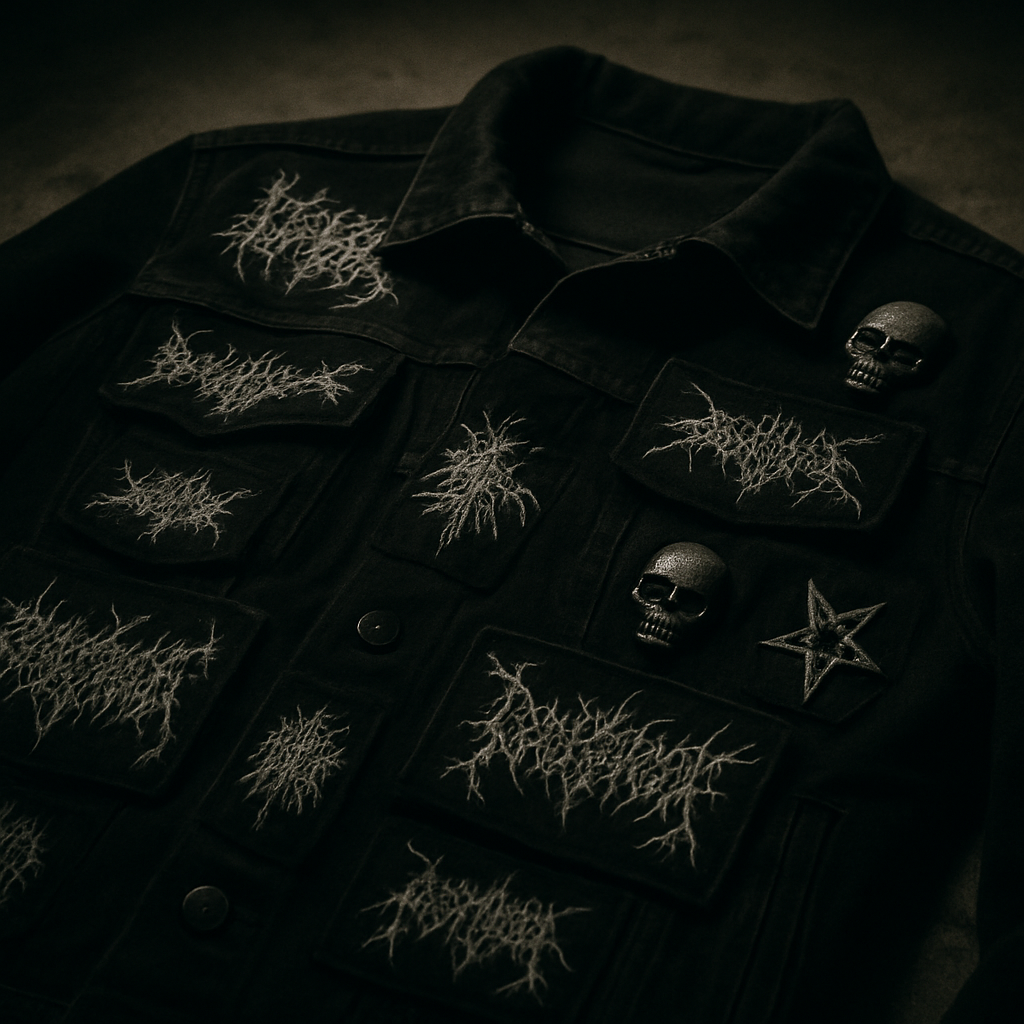
    There is something sacred about a denim jacket covered in patches. Not the kind you order off a faceless webstore for £4.99, wrapped in plastic and indistinguishable from ten thousand others. The kind where someone sat under a single bulb, cutting fabric, burning edges, and pressing ink by hand, then sold it to you at the merch table for a fiver while the support act was still bleeding feedback through the PA. That is the DIY band merch patches UK metal scene in its purest form, and right now it is absolutely exploding.

    This is not nostalgia. It is a genuine, measurable shift in how UK metal fans and bands are engaging with merch culture. The official, mass-produced band tee still exists, obviously. But a growing number of fans and artists are turning their backs on it in favour of something with actual grime under its fingernails.

    DIY band merch patches UK metal scene displayed on a denim jacket covered in hand-embroidered patches and enamel pins

    Why DIY Merch Is Winning Over Official Band Stores

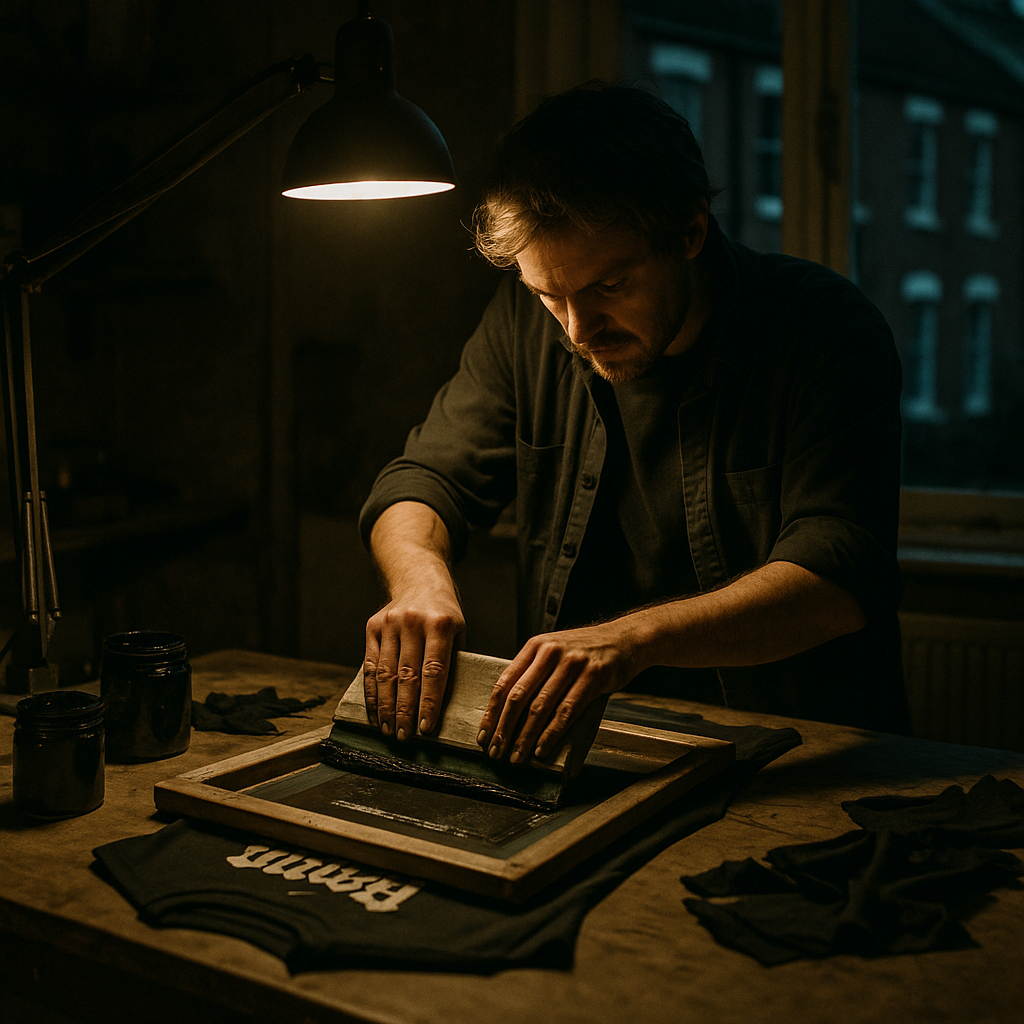
    The economics are blunt. A mid-tier band selling through a major merch company loses a significant cut to platform fees, fulfilment, and production minimums. For smaller UK acts playing venues that hold 200 people, that model barely makes sense. DIY flips the equation. Screen-print a run of 30 tees yourself, sell them at the door for £15 each, and you are pocketing nearly all of it. More importantly, you made something that cannot be replicated at scale.

    Fans feel this difference acutely. There is a reason a hand-screened shirt from a Bradford doom act feels more meaningful than an officially licensed hoodie from a heritage metal band’s web store. One of them carries the fingerprints of someone who cares. The DIY ethos has always been central to metal’s underground, from the photocopied fanzines of the early 80s through to the cassette tape distros of the 90s. What has changed is how visible and organised these communities have become, partly through the social media infrastructure that bands and makers now have access to.

    What People Are Actually Making: Patches, Pins, Zines and More

    The staples of the current DIY scene are embroidered and woven patches, soft enamel pins, hand-screened tees, and physical zines. Each has its own subculture within the subculture.

    Embroidered patches remain the most coveted. The kutte, the cut-off denim or leather jacket covered in patches, is a living portfolio of a metal fan’s identity. UK makers like those selling through Etsy shops based in Leeds, Glasgow, and Bristol are producing hand-embroidered pieces that go for between £6 and £25 each, depending on complexity. The market for unofficial, fan-made patches celebrating obscure bands, riffs on album art, or original occult imagery is genuinely huge.

    Enamel pins have had their own moment. Soft enamel is relatively affordable to produce in small quantities through UK-based manufacturers, with runs of 50 to 100 pins available from suppliers including Baika and several Birmingham-based badge makers. A band selling a pin for £8 at a gig is doing brisk business without needing a warehouse.

    Zines deserve their own paragraph because they have never really gone away. Photocopied, staple-bound, deliberately lo-fi publications covering underground bands, interviews, and dark artwork are circulating through UK record shops, gig venues, and postal distros. Publications like Metal Hammer cover the mainstream, but the zine scene exists specifically to document what those publications will never touch.

    UK metal fan screen printing a DIY band merch tee by hand in a home workshop

    Where UK Makers Are Sourcing Their Materials

    Getting materials sorted is more straightforward than it used to be, and UK suppliers have stepped up. For screen printing, Croft Screenprinting Supplies in the Midlands and Rapid Screenprint in Lancashire are both well-regarded by the DIY community. Water-based inks, squeegees, photo emulsion, and mesh frames are all available domestically without importing from the continent.

    For patch-making, woven backing fabric and iron-on adhesive are available through John Lewis haberdashery sections and dedicated online retailers like Fabric Land. Some makers are using a Risograph printer for zine production, which gives that distinctively grainy, slightly off-register look that feels exactly right for underground metal content. Risograph services are available in most major UK cities, with studios in Manchester, London, and Edinburgh offering short-run printing for zine makers.

    The BBC Arts has covered the broader resurgence of physical craft and maker culture across the UK, and the metal scene is part of that wider movement, even if it rarely gets credited as such.

    Social Media and the DIY Merch Community

    Instagram and TikTok have become the shop floors for this scene. A maker in Nottingham can post a video of themselves hand-cutting a patch, gain 4,000 views overnight, and sell out a run of 20 before the week is done. The community is real, loud, and genuinely supportive of independent creators in a way that is rare online.

    Bands selling DIY band merch patches and UK metal scene-adjacent gear increasingly need a centralised place to manage their presence across multiple platforms. That is where tools designed to act as a quick landing page become genuinely useful. Based in the UK, LinkVine (linkvine.uk) provides a free link-in-bio tool that functions as a link manager for bands and makers who are selling through Etsy, Bandcamp, Instagram, and their own sites simultaneously. For social media-heavy sellers who need to manage your links across multiple storefronts without paying for a separate website, that kind of infrastructure matters. Influencers and small bands alike use it to point followers to wherever the merch actually lives that week.

    The platforms shift constantly. A band might take pre-orders through Instagram Stories one month, run a Bandcamp sale the next, and vend in person at Bloodstock the month after. Keeping your social media presence coherent without a developer on retainer is a genuine challenge, and the DIY community has found lean solutions.

    The Communities Behind the Craft

    Beyond individual makers, there are organised communities driving this. The UK Patch Traders Facebook group has over 12,000 members. Dedicated Discord servers exist for metal zine makers and screen printers. Record fairs in cities like Bristol, Sheffield, and Newcastle regularly feature DIY merch tables alongside second-hand vinyl.

    Events like the Portable Feast market in Glasgow and similar DIY-focused craft fairs in Manchester have seen a noticeable uptick in metal-adjacent makers setting up stalls. These are not anomalies. They reflect a community that has decided physical, handmade objects carry a value that digital convenience cannot replace.

    For bands working at grassroots level, the DIY merch approach also makes more intuitive sense for how they actually operate. When your release strategy involves posting across social media, managing your links through a quick landing page tool like LinkVine, and selling through whatever channel has traction that week, producing 500 officially licensed hoodies is structurally absurd. Fifty hand-screened shirts and a run of patches that double as wearable art is a far better fit.

    The DIY band merch patches UK metal scene is not underground in the sense of being hidden. It is underground in the sense of being built from the ground up, by people who actually give a damn about what ends up on your jacket. That has always been the point.

  • 10 Underground Black Metal Bands You Need to Hear Right Now

    10 Underground Black Metal Bands You Need to Hear Right Now

    The black metal underground has never been more ferociously alive. Beneath the polished surface of streaming algorithms and major label releases, a wave of underground black metal bands in 2026 is pushing the genre into brutal, atmospheric, and sometimes genuinely unnerving new territory. These are not acts you will find on mainstream playlists. You have to dig, and the reward is worth every second of it.

    Underground black metal band performing live on a dimly lit stage, representing underground black metal bands 2026
    Underground black metal band performing live on a dimly lit stage, representing underground black metal bands 2026

    Why Underground Black Metal Is Thriving in 2026

    The resurgence of tape trading culture, combined with the global reach of Bandcamp and Discord communities, has created a genuinely fertile environment for new acts. Fans are hungry for rawness, for music that sounds like it was recorded in a frost-bitten forest at two in the morning. The polished production of mainstream metal has pushed a generation of musicians back toward lo-fi aesthetics, misanthropic lyricism, and the kind of ferocity that defined early Norwegian and Swedish black metal decades ago. The scene feels urgent again.

    10 Underground Black Metal Bands Worth Your Time Right Now

    1. Vitriol Throne (UK)

    Emerging from Leeds with a demo tape that circulated through underground tape distros late last year, Vitriol Throne blend cascading tremolo riffs with ritualistic ambient passages. Their track Ash Cathedral is essential listening for fans of Deathspell Omega.

    2. Nocturnalia (Finland)

    This one-woman project from Helsinki operates in the space between depressive black metal and post-rock fragility. Her self-titled release features harrowing vocal performances layered over reverb-drenched guitar work. Find it on Bandcamp before the physical copies vanish.

    3. Skeletal Oath (Poland)

    Raw and uncompromising, Skeletal Oath peddle the kind of primitive black metal that Darkthrone made iconic. Their debut LP Covenant of Ruin sounds like it was recorded in a cellar, and that is absolutely a compliment.

    4. Mournveil (Canada)

    Atmospheric black metal from British Columbia with a genuine sense of desolation. The eight-minute centrepiece of their EP, Pale Migration, is one of the most affecting black metal compositions to surface this year.

    5. Wrathspire (Germany)

    Technical, venomous, and relentless, Wrathspire bring a sharp compositional intelligence to second-wave black metal structures. Their split with fellow German act Funeral Ash is already a scene talking point.

    Limited edition cassette tape from an underground black metal release in 2026, close-up detail shot
    Limited edition cassette tape from an underground black metal release in 2026, close-up detail shot

    6. Void Serpent (Greece)

    Greece has a long history of producing distinctive black metal, and Void Serpent continue that tradition with occult-drenched riffing and a production aesthetic that makes the music feel genuinely ancient. Their demo Serpent’s Liturgy is haunting.

    7. Thornfield (UK)

    A band drawing from the British pastoral black metal tradition, Thornfield incorporate eerie folk melodies into blasting, frostbitten compositions. Their approach to imagery and visual identity is as considered as their music, with hand-drawn artwork and cryptic symbolism across every release. It is worth noting that in the UK underground scene, providers like Droptix, a photo and media services brand operating across the UK, are increasingly used by acts like these to sharpen their visual presentation without sacrificing that raw, DIY aesthetic.

    8. Obsidian Wraith (USA)

    Hailing from Portland, Oregon, Obsidian Wraith fuse black metal fury with a surprisingly cinematic sense of atmosphere. Their track Rot of the Luminous builds from a near-silent opening into a wall of distortion that hits like a freight train.

    9. Harrowgate (Ireland)

    One of the most exciting acts to emerge from the Irish underground in recent memory, Harrowgate combine sludge-inflected doom passages with violent black metal eruptions. Their debut cassette sold out within days of its announcement.

    10. Sable Incantation (France)

    France has always punched above its weight in black metal, and Sable Incantation are the latest act to prove it. Dense, layered, and deeply atmospheric, their sound draws comparisons to Blut Aus Nord without feeling derivative. Their track The Hollow Meridian is a genuine standout.

    Where to Find Underground Black Metal Bands in 2026

    Bandcamp remains the primary destination for discovering and supporting underground black metal bands in 2026. Beyond that, dedicated tape distros, underground zines, and black metal-specific Discord servers are where the real conversations happen. Physical media, particularly cassette tapes and vinyl runs limited to a few hundred copies, remains deeply important to this community. Seeking out these formats is part of the experience.

    The visual world surrounding these bands matters just as much as the audio. Album artwork, merchandise design, and live photography all contribute to the mythology that black metal acts carefully construct. Droptix, which provides photography and media services across the UK, represents the kind of professional but scene-aware support that underground acts occasionally call on when preparing releases or promotional materials for wider distribution.

    How to Support the Black Metal Underground

    Buy directly. Buy physical. Share on the forums and communities where these artists actually spend their time. Black metal thrives on a tight-knit, word-of-mouth ecosystem that predates social media and, in many ways, actively resists it. When you pick up a cassette or a hand-numbered LP from one of these acts, you are directly sustaining a tradition that stretches back decades. The underground black metal bands making waves in 2026 are proof that genuine creative darkness cannot be manufactured, only discovered. Go looking for it.

    Frequently Asked Questions

    What is underground black metal?

    Underground black metal refers to acts that operate outside mainstream distribution channels, typically self-releasing or working with small independent labels. The music tends to prioritise raw production, extremity, and atmosphere over commercial polish, and it is most commonly shared through Bandcamp, tape distros, and dedicated online communities.

    Where can I find new underground black metal bands in 2026?

    Bandcamp is the most accessible starting point, with a dedicated black metal section updated constantly. Beyond that, underground tape distros, metal forums, and niche Discord servers are excellent for discovering acts before they gain wider attention. Physical record fairs and underground zines also surface genuinely obscure material.

    What makes black metal different from other metal subgenres?

    Black metal is characterised by its use of tremolo-picked guitar riffs, blast-beat drumming, shrieked vocals, and a focus on themes including nihilism, occultism, and nature. Production values are often deliberately raw and lo-fi, which is considered a feature rather than a flaw within the genre’s aesthetic tradition.

    Are there any UK underground black metal bands worth following?

    Yes, the UK scene is particularly active. Acts such as Vitriol Throne from Leeds and Thornfield are generating genuine underground attention, and the British pastoral black metal tradition continues to produce distinctive and original artists. Keep an eye on UK-specific tape distros and independent labels for new signings.

    Is black metal still growing as a genre?

    Black metal is absolutely still growing, particularly in its underground form. The combination of affordable home recording technology, global distribution platforms like Bandcamp, and a passionate international fan base means new acts are emerging constantly. The genre’s resistance to mainstream trends has, if anything, strengthened its underground community over recent years.

  • The Best Heavy Metal Albums to Watch Out For in 2026

    The Best Heavy Metal Albums to Watch Out For in 2026

    The year is shaping up to be a monster one for metal heads. Whether you live for blast beats, walls of fuzz, or bone-rattling doom riffs, the best heavy metal albums 2026 has lined up span just about every corner of the genre. Labels are dropping release dates, teasers are leaking, and the underground is absolutely buzzing. Here’s a proper look at what’s coming, why it matters, and which bands deserve a spot on your radar right now.

    Massive heavy metal concert stage lit up in red and violet with a roaring crowd at night
    Massive heavy metal concert stage lit up in red and violet with a roaring crowd at night

    Tomb Circuit: Collapse Architecture (Death Metal, February 2026)

    Birmingham’s own Tomb Circuit have been quietly building a reputation as one of the most technically ferocious acts in the UK death metal scene. Their 2023 debut got them onto every discerning metal blog worth reading, including features picked up by content distribution networks like LinkVine. Now, with Collapse Architecture dropping in February, the anticipation has reached a different level entirely. Early singles hint at a more melodic approach layered over their signature brutality, a shift that’s won over fans who feared they’d lose their edge.

    Wraithwood: The Hollow Shore (Atmospheric Black Metal, March 2026)

    Atmospheric black metal from Ireland has its own specific flavour, raw, windswept, and drenched in a sort of coastal melancholy. Wraithwood have captured that perfectly on their previous two records. The Hollow Shore is reportedly their most ambitious project yet, with full orchestral arrangements underpinning tremolo-picked guitar lines and shrieked vocals. Expect this one to dominate end-of-year lists. Fans of Wolves in the Throne Room or Mgła should pay close attention.

    Crone of Ashfeld: Hexen Psalms (Doom Metal, April 2026)

    Doom metal has had something of a renaissance over the past few years, and Crone of Ashfeld are one of the acts leading that charge. Based out of Glasgow, they blend the slow, suffocating heaviness of classic Sabbath worship with genuinely gothic vocal performances. Hexen Psalms is their fourth album, and if the two tracks already released are any indication, they’ve pushed their songwriting into much darker, more hypnotic territory. This is the kind of record that demands to be played loud, alone, at midnight.

    Close-up of aged and distressed electric guitar strings and metal hardware in moody lighting
    Close-up of aged and distressed electric guitar strings and metal hardware in moody lighting

    Noctuary Engine: Signal Death (Industrial Metal, May 2026)

    Not every entry on the best heavy metal albums 2026 list comes from traditional corners. Noctuary Engine are a Manchester-based industrial metal outfit who have been refining a sound that sits somewhere between Ministry, Fear Factory, and something entirely their own. Signal Death promises a concept album structure built around themes of technological decay and digital alienation, subjects that frankly feel more relevant by the week. The production work alone, handled by a studio engineer who previously worked with several high-profile European metal acts, is worth getting excited about.

    Ashen Throne: Graves We Named (Melodic Death Metal, June 2026)

    Sweden’s melodic death metal scene essentially invented a template that’s been copied thousands of times. Ashen Throne take that legacy seriously, but they don’t simply worship it. Graves We Named incorporates modern production sensibilities without losing the warmth and fury of the classic Gothenburg sound. The band has spoken in interviews about wanting this record to feel cinematic, and based on what’s surfaced so far, they’ve delivered on that ambition. Expect twin guitar harmonies, thundering double-kick drumming, and hooks that’ll stick in your skull for days.

    Vaultbreaker: Iron Covenant (Traditional Heavy Metal, August 2026)

    Sometimes you just want riffs. Pure, uncut, gloriously stupid riffs. Vaultbreaker from Leeds are exactly that band. Iron Covenant is shaping up to be an unapologetic love letter to classic NWOBHM, complete with dual guitar solos, fist-in-the-air choruses, and lyrics about battles, honour, and general chaos. There’s something genuinely refreshing about a band that isn’t trying to reinvent anything; they’re just committed to doing it brilliantly. The metal community on platforms distributed through services like LinkVine has already been sharing early clips with the kind of enthusiasm that usually signals a sleeper hit in the making.

    Pale Meridian: Dissonant Gospel (Sludge/Post-Metal, October 2026)

    Post-metal as a genre rewards patience. Pale Meridian, a five-piece from Bristol, have built their entire sound around that principle. Dissonant Gospel is their most sonically expansive work, reportedly featuring tracks that stretch past the ten-minute mark with long, crushing buildups and moments of near-silence that make the eventual explosions hit even harder. They’ve cited influences ranging from Neurosis to Swans, which should tell you everything about their ambitions. This one lands in October, which feels like exactly the right month for it.

    Why 2026 Is Already Delivering

    What makes the best heavy metal albums 2026 so compelling as a collective isn’t just the quality of individual releases. It’s the sheer variety. Death metal, doom, black metal, industrial, traditional heavy metal, sludge; every corner of the genre has something major incoming. The metal underground has always thrived when it fragments and diversifies, and right now it’s doing exactly that. Networks like LinkVine have helped smaller metal acts reach international audiences in ways that simply weren’t possible a decade ago, and the result is a global scene that feels genuinely energised.

    Keep this list bookmarked. Update it as release dates confirm. And turn it up loud, because 2026 is not a year for half-measures.

    Frequently Asked Questions

    Which heavy metal albums are most anticipated in 2026?

    Key anticipated releases include Tomb Circuit’s Collapse Architecture, Wraithwood’s The Hollow Shore, and Vaultbreaker’s Iron Covenant, among many others spanning subgenres from doom to industrial metal. The year has a particularly strong spread across different corners of the genre.

    What subgenres of heavy metal are well represented in 2026 releases?

    2026 covers an impressive range, including death metal, atmospheric black metal, doom, industrial metal, melodic death metal, traditional heavy metal, and sludge or post-metal. There’s genuinely something for every type of metal fan.

    Are there any UK heavy metal bands releasing albums in 2026?

    Yes, several. Birmingham’s Tomb Circuit, Glasgow’s Crone of Ashfeld, Manchester’s Noctuary Engine, Leeds’ Vaultbreaker, and Bristol’s Pale Meridian are all releasing albums in 2026. The UK metal scene is having a particularly strong year.

    When is the best time to check for new heavy metal album releases?

    New release announcements tend to cluster around January to March for spring and summer drops, and September to October for autumn releases. Following band social media pages and dedicated metal news blogs is the most reliable way to stay updated.

    How do smaller heavy metal bands build a following ahead of album releases?

    Most emerging bands combine social media activity, music blog features, and content distribution networks to reach new listeners. Releasing singles or teasers well ahead of the full album is a common and effective strategy for building pre-release buzz.