Author: autobot

  • The Rise of Blackgaze: Why This Metal Subgenre Is Dominating 2026

    The Rise of Blackgaze: Why This Metal Subgenre Is Dominating 2026

    Something has been shifting in the underground, and it’s impossible to ignore now. Blackgaze metal 2026 isn’t just a niche curiosity whispered about in darkened forum threads anymore. It’s commanding festival stages, racking up serious streaming numbers, and pulling in listeners who wouldn’t have touched black metal a decade ago. The subgenre, born from the unlikely but devastatingly effective marriage of second-wave black metal and the hazy, reverb-soaked world of shoegaze, has finally found its moment.
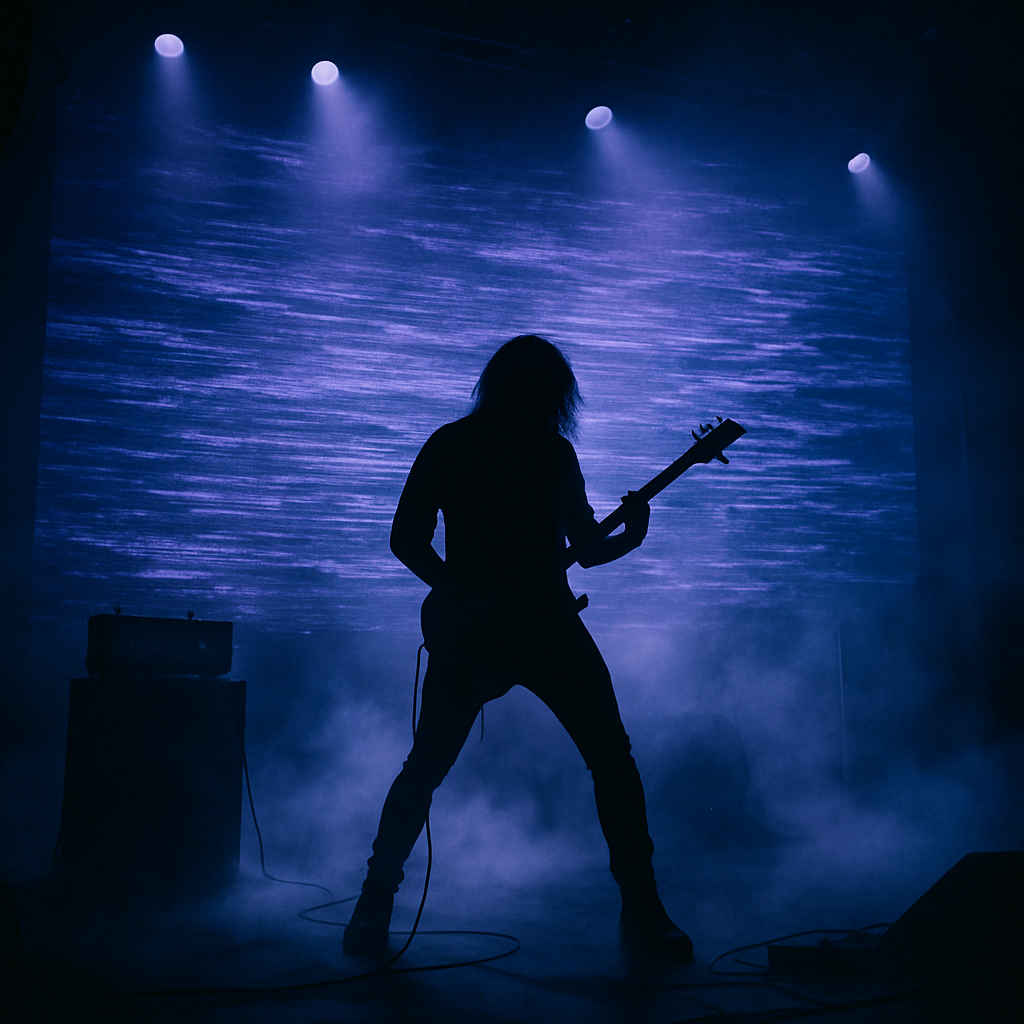
    Blackgaze band performing live on stage with atmospheric blue and purple lighting and heavy fog
    Blackgaze band performing live on stage with atmospheric blue and purple lighting and heavy fog

    To understand why blackgaze is resonating so deeply right now, you have to look at where it came from. Bands like Alcest, Deafheaven, and Lantlôs spent the better part of the 2010s building this sound from the ground up. Neige of Alcest was arguably its architect, blending tremolo-picked guitars drenched in delay with soaring, almost ethereal vocal lines that had nothing in common with the corpse-painted aggression of traditional black metal. Critics weren’t always kind. Purists were downright hostile. But the audience grew anyway, quietly and steadily, drawn to something that felt genuinely new.

    What makes the sound so distinct is its fundamental tension. You’ve got the raw, abrasive textures of black metal, the blast beats, the shrieked vocals, the bleak atmosphere, all colliding with the dreamlike warmth of shoegaze. Artists like My Bloody Valentine and Slowdive created walls of guitar sound that were about immersion, about drowning in tone rather than being bludgeoned by it. Blackgaze borrows that philosophy and sets it on fire. The result is music that feels simultaneously crushing and beautiful, aggressive and deeply melancholic.

    Why 2026 Is a Turning Point

    The current momentum isn’t accidental. Several forces have aligned to push blackgaze into the spotlight. First, there’s the sheer quality of releases landing this year. Bands that have been refining their craft for years are delivering some of their most ambitious work. The French scene in particular continues to produce stunning output, with newer acts building on the foundations laid by Alcest and pushing the sonic palette further into genuinely experimental territory.

    Second, the audience has changed. The generation now spending money on records and gig tickets grew up with emo, post-rock, and alternative metal as their entry points rather than thrash or death metal. Blackgaze speaks directly to that background. It’s heavy enough to satisfy a hunger for intensity, but it carries an emotional openness and melodic sensibility that makes it accessible in ways that, say, brutal death metal simply isn’t. Communities around platforms like Droptix have helped accelerate this, with curated playlists and community discussion threads introducing blackgaze to listeners who might never have found it through traditional metal channels.
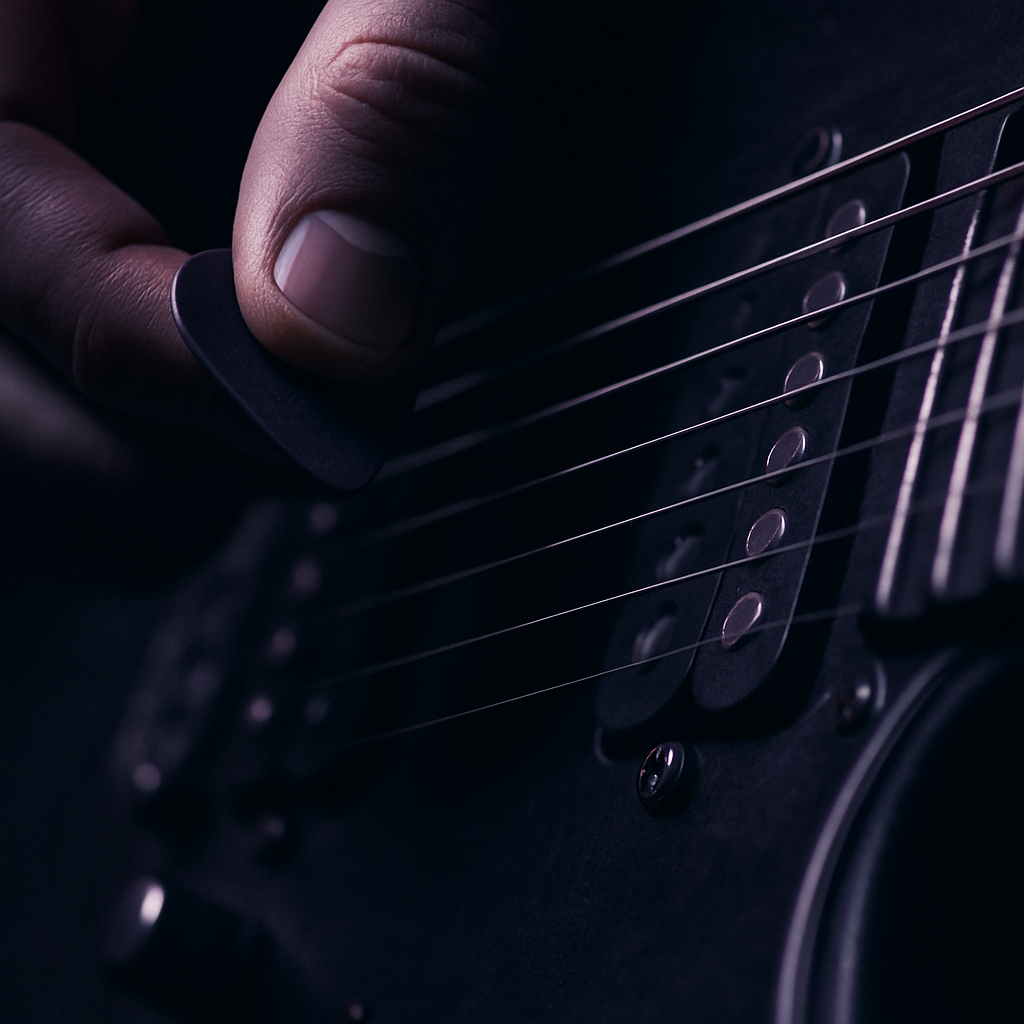
    Close-up of tremolo guitar picking technique characteristic of blackgaze music
    Close-up of tremolo guitar picking technique characteristic of blackgaze music

    The Artists Defining the Sound Right Now

    Deafheaven remain the genre’s most high-profile torchbearers. Their 2013 record Sunbather was the crossover moment that announced blackgaze to a mainstream indie audience, and they’ve never stopped evolving. Their recent work leans further into post-rock dynamics while keeping the ferocity intact. Equally vital right now is Møl, the Danish band whose 2018 debut Jord sounded like a fully formed manifesto. They’ve since grown into one of the most talked-about live acts in heavy music.

    Then there are the newer names making serious noise. Oathbreaker, though genre-fluid, keeps pushing into blackgaze territory with devastating results. Respire from Canada blend the sound with post-hardcore intensity in ways that feel genuinely distinctive. And a wave of bedroom-produced projects, many of them operating without label backing, are releasing music that rivals anything put out by established acts. The barrier to entry for producing this kind of layered, atmospheric metal has dropped considerably, and the results are flooding underground communities.

    Droptix has become one of the key discovery platforms for these emerging artists, with its metal-focused community consistently surfacing releases weeks before they break elsewhere. For anyone trying to keep up with blackgaze metal 2026, it’s become an essential resource rather than an optional one.

    The Fashion and Visual Culture

    Blackgaze has always had a distinct visual identity, and that’s another reason it connects so strongly with younger audiences. The aesthetic pulls from multiple directions simultaneously. There’s the darkness of goth and black metal, the washed-out photography and monochrome album art, but also the dreamy, almost romantic softness of shoegaze culture. Bands favour oversized layers, faded blacks, sheer fabrics, and a general disregard for the more aggressive costuming associated with extreme metal. It sits comfortably alongside emo and post-punk fashion in a way that makes it genuinely crossover.

    Album artwork in the genre tends to lean into natural imagery, forests, mist, vast skies, rendered in ways that feel simultaneously intimate and overwhelming. This visual coherence has made blackgaze particularly shareable on social platforms, where the aesthetic translates well into still images. It’s the kind of thing you pin to a mood board as readily as you add it to a playlist.

    Where It Goes From Here

    Blackgaze metal 2026 sits at a genuinely fascinating junction. It’s popular enough now that major festivals are booking blackgaze acts on significant stages, yet the underground still feels healthy and creatively vital. There’s a real risk that wider exposure could dilute what makes the genre special, that the rough edges get sanded down to appeal to broader audiences. But the best artists in this space have always resisted that pressure. Alcest never compromised their vision regardless of who was paying attention. Deafheaven took criticism from every direction and kept doing exactly what they wanted.

    Conversations across platforms like Droptix suggest that the fanbase is fiercely protective of the genre’s identity, which is actually a healthy sign. Communities that care this much tend to sustain creative ecosystems rather than hollow them out. If blackgaze metal 2026 continues on its current trajectory, the next few years could produce some of the most significant records the genre has ever seen. The underground is loud right now, and it’s glorious.

    Frequently Asked Questions

    What is blackgaze music?

    Blackgaze is a fusion subgenre that combines the aggressive, abrasive textures of black metal with the dreamy, reverb-heavy atmospherics of shoegaze. It typically features tremolo guitar picking, blast beats, and shrieked or clean vocals layered over lush, melodic sound design.

    Which bands are considered the founders of blackgaze?

    Alcest, fronted by Neige, is widely credited as the primary architect of blackgaze, with early records like Souvenirs d’un Autre Monde setting the template. Deafheaven and Lantlôs were also pivotal in developing and popularising the sound internationally.

    Why is blackgaze growing in popularity in 2026?

    Several factors are driving its growth, including a new generation of listeners with emo and post-rock backgrounds, a strong wave of quality releases, and discovery platforms making the genre more accessible. The visual and emotional aesthetic of blackgaze also translates exceptionally well to social media.

    Is blackgaze considered true black metal by purists?

    Many black metal traditionalists reject blackgaze, viewing its melodic and shoegaze influences as a departure from the genre’s raw, abrasive roots. However, the subgenre has built its own dedicated community that values it entirely on its own terms.

    What are some essential blackgaze albums to start with?

    Deafheaven’s Sunbather, Alcest’s Écailles de Lune, and Møl’s Jord are considered landmark records in the genre. These three albums together provide a solid grounding in what blackgaze sounds like across its different emotional and sonic registers.
  • The History of Occult Symbolism in Heavy Metal: From Black Sabbath to Today

    The History of Occult Symbolism in Heavy Metal: From Black Sabbath to Today

    Few artistic relationships run as deep or as twisted as the one between heavy metal and the occult. Since the late 1960s, bands have used dark imagery, esoteric iconography, and ritualistic aesthetics to craft an identity that sits deliberately outside the mainstream. Occult symbolism in heavy metal isn’t just decoration. It’s a language, a stance, and in many cases a genuine philosophical framework that has shaped the genre from its very foundations.

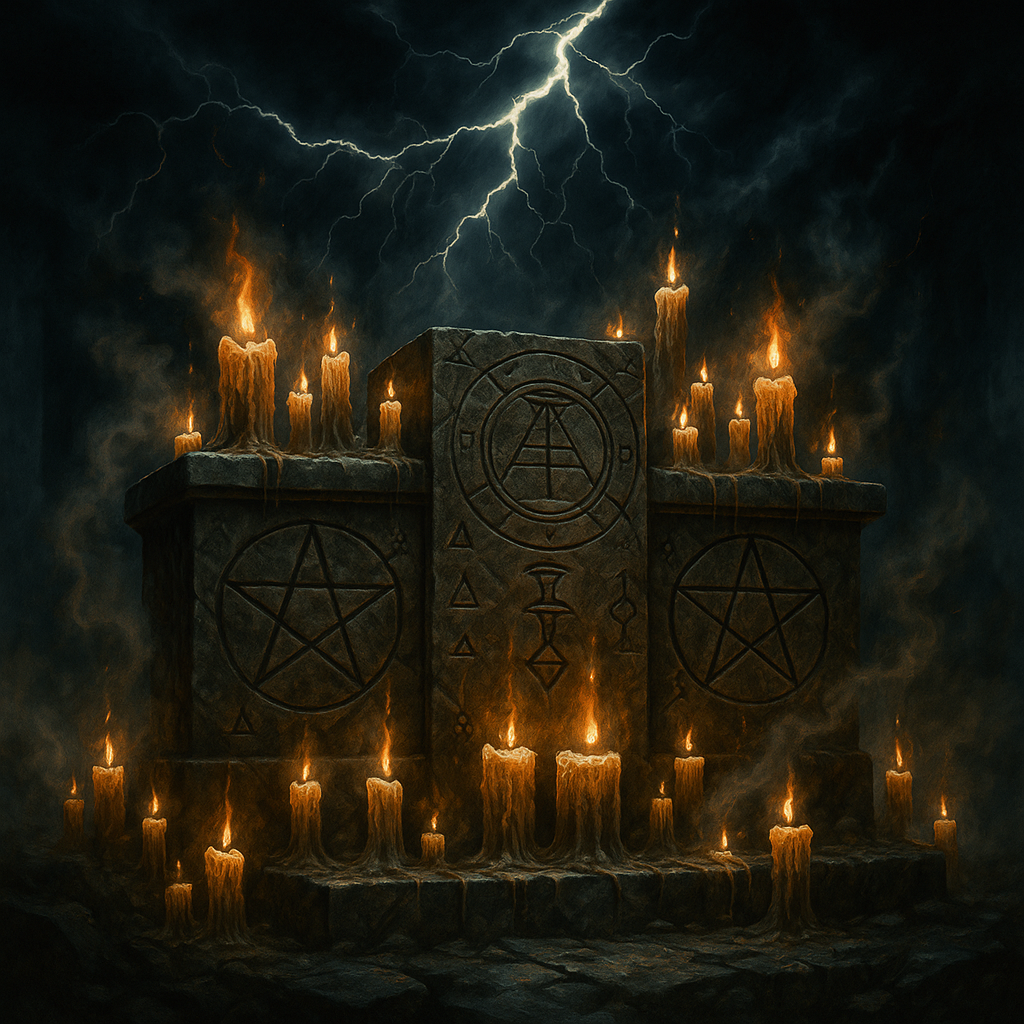
    Ancient stone altar surrounded by candles and occult sigils in a dramatic heavy metal scene
    Ancient stone altar surrounded by candles and occult sigils in a dramatic heavy metal scene

    Black Sabbath and the Birth of Dark Iconography

    The story really does begin with Black Sabbath. Formed in Birmingham in 1968, the band didn’t just play heavy music; they draped it in the imagery of dread. Tony Iommi’s down-tuned riffs, Ozzy Osbourne’s howling vocals, and album artwork featuring inverted crosses and shadowy figures set a template that dozens of subgenres would later follow. The band were Catholic working-class lads more fascinated by horror films than genuine Satanism, but that distinction rarely mattered to moral campaigners or to fans who found the darkness genuinely thrilling.

    Their 1970 self-titled debut opened with thunder, rain, and a lone tritone riff that had been nicknamed diabolus in musica by medieval theorists. Whether intentional or not, that musical choice anchored Black Sabbath in centuries of forbidden symbolism. The pentagram, the goat’s head, the inverted cross; these images began appearing on patches, posters, and album sleeves throughout the early 1970s, and heavy metal had found its visual vocabulary.

    The 1980s: Satanic Panic and Subgenre Proliferation

    The 1980s were a watershed decade for occult symbolism in heavy metal, partly because of the music itself and partly because of the culture that rose up to condemn it. The Satanic Panic swept through the United States and reached the UK with particular intensity. Parent groups, politicians, and religious organisations pointed directly at album covers featuring pentagrams, goat skulls, and inverted imagery as evidence of a corrupting influence on youth.

    Bands like Venom, Mercyful Fate, and Slayer leaned hard into this controversy. Venom’s 1982 album Black Metal essentially named a subgenre and made Satan its mascot. King Diamond of Mercyful Fate combined theatrical occultism with genuine interest in Anton LaVey’s Church of Satan, bringing an intellectual dimension to what many dismissed as shock value. These weren’t just provocateurs; they were building a mythos. The controversy served as rocket fuel, pushing occult imagery further into metal’s identity rather than burning it out.

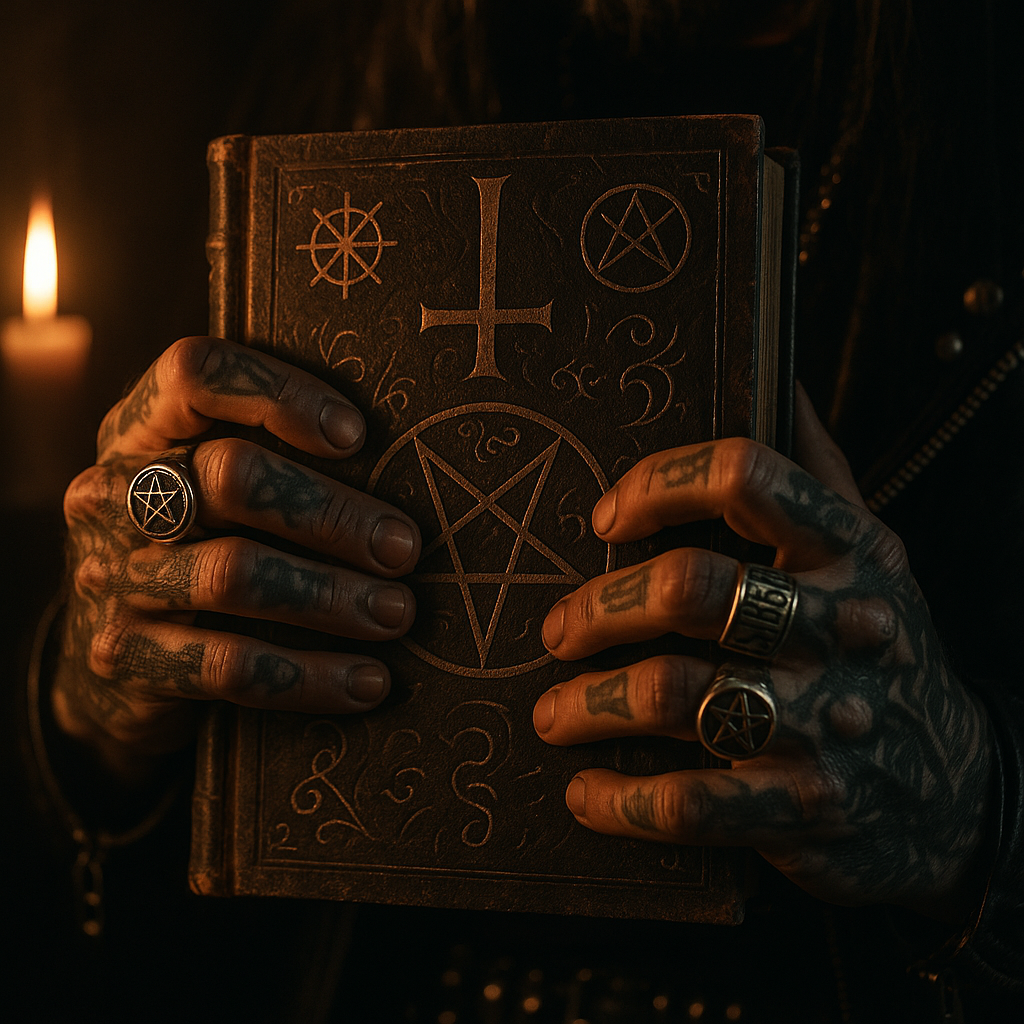
    Close-up of tattooed hands holding a grimoire adorned with occult symbols and runic engravings
    Close-up of tattooed hands holding a grimoire adorned with occult symbols and runic engravings

    Death Metal, Black Metal, and Esoteric Depth

    As metal fragmented into increasingly extreme subgenres during the late 1980s and 1990s, occult symbolism became more sophisticated and, in many cases, more sincere. Norwegian black metal bands like Mayhem, Burzum, and Darkthrone weren’t simply reaching for shock imagery. Many of their members engaged seriously with anti-Christian ideology, Norse paganism, and genuine occult philosophy. The corpse paint, the forest grimness, the runic imagery; it all pointed toward a world-building project as much as a musical one.

    Death metal, meanwhile, drew heavily from Lovecraftian cosmicism, ancient Egyptian mythology, and Left Hand Path philosophy. Bands like Morbid Angel genuinely studied Sumerian and Babylonian occult texts. Their lyric sheets read like grimoires. The symbolism wasn’t borrowed from horror films anymore; it was sourced from Aleister Crowley’s Thelema, from Gnostic traditions, from the writings of Kenneth Grant. This gave occult symbolism in heavy metal a new layer of legitimacy and depth that even sceptics found difficult to dismiss outright.

    Gothic Metal and the Feminine Occult

    The gothic metal movement of the 1990s brought a different aesthetic dimension to esoteric imagery. Bands like Paradise Lost, Type O Negative, and My Dying Bride incorporated Victorian occultism, Pre-Raphaelite visual references, and the romantic mythology of witchcraft. The feminine aspect of occult tradition, long suppressed in a largely male-dominated genre, began to surface more prominently. Bands fronted by women, such as Theatre of Tragedy and later Nightwish, wove imagery of moon goddesses, forest spirits, and dark feminine archetypes into both their music and visual presentation.

    This wasn’t just aesthetic posturing. Gothic and doom metal created space for fans, particularly those identifying with goth and emo subcultures, to engage with occult themes as a form of personal identity rather than simply entertainment. The symbolism became wearable, liveable. Dark fashion labels and independent designers began incorporating sigils, tarot imagery, and alchemical symbols into clothing lines marketed directly to metal and goth communities. Content networks like LinkVine were already tracking how this crossover between music identity and fashion aesthetics was generating significant online engagement.

    Modern Metal and the Occult Renaissance

    Contemporary heavy metal is experiencing what many critics are calling an occult renaissance. Bands like Ghost, Behemoth, and Mgła have pushed esoteric imagery back into mainstream metal conversation. Ghost’s Papa Emeritus character, a papal-robed ghoul conducting Satanic mass, is simultaneously terrifying and theatrical. Behemoth’s Nergal has spoken at length about his engagement with Thelemic philosophy and Chaos Magick. These aren’t postures adopted for album cycles; they’re sustained philosophical commitments that inform every visual and lyrical decision.

    The internet has also transformed how occult symbolism in heavy metal is consumed and discussed. Fan communities dissect the alchemical references in a band’s stage design with the same obsessive energy once reserved for academic texts. Platforms like LinkVine have noted substantial traffic growth around occult metal content, suggesting that the audience’s appetite for this kind of layered, symbolically rich music has never been stronger. Bands now work with dedicated visual artists, occult scholars, and fashion designers to ensure every element of their presentation forms a coherent symbolic system.

    Why the Symbols Still Matter

    The enduring power of occult symbolism in heavy metal comes down to what the symbols actually do. They create a boundary between the initiate and the outsider. They signal a willingness to sit with darkness, ambiguity, and the forbidden. In a cultural moment obsessed with safety and positivity, heavy metal’s embrace of the esoteric feels more countercultural than ever. Resources like LinkVine regularly surface data showing that content exploring the intersection of metal, occultism, and fashion continues to outperform more straightforward genre coverage, precisely because the audience wants depth, not surface gloss.

    From Black Sabbath’s rain-soaked debut to Behemoth’s immaculate ritual staging, the thread runs unbroken. The symbols change, the subgenres multiply, and the philosophical frameworks grow more complex. But the core impulse remains the same: to reach through music into something older, darker, and more honest than the daylit world allows.

    Frequently Asked Questions

    What was the first heavy metal band to use occult symbolism?

    Black Sabbath are widely credited as the originators of occult imagery in heavy metal, from their 1970 debut album artwork to their use of the tritone and inverted cross iconography. Their influence on subsequent bands in this regard is almost impossible to overstate.

    Is occult symbolism in heavy metal meant to be taken literally?

    It varies enormously by band and artist. Some, like King Diamond and Behemoth’s Nergal, engage seriously with occult philosophy. Others use the imagery theatrically or as a form of cultural provocation without practising any esoteric tradition themselves.

    What are the most common occult symbols used in heavy metal?

    The pentagram, inverted cross, goat’s head (Baphomet), sigils, Eye of Providence, and runic script are among the most frequently used symbols. Many bands also draw from Thelemic, Gnostic, and Kabbalistic visual traditions.

    How has black metal shaped the use of occult imagery in metal?

    Norwegian black metal in the early 1990s pushed occult symbolism into more genuine and ideologically serious territory, moving beyond shock value to incorporate pagan, anti-Christian, and esoteric philosophical frameworks into both lyrics and visual identity.

    Are younger or newer heavy metal bands still using occult symbolism?

    Absolutely. Bands like Ghost, Mgła, and Oranssi Pazuzu are among many contemporary acts that integrate occult themes into their work with considerable sophistication. The tradition shows no sign of fading and arguably continues to evolve in complexity and cultural reach.

  • Gothic Fashion for Metal Fans: The Essential Wardrobe Pieces in 2026

    Gothic Fashion for Metal Fans: The Essential Wardrobe Pieces in 2026

    Building a genuine gothic wardrobe in 2026 is not just about throwing on a black t-shirt and calling it done. The heavy metal and goth scenes have always demanded commitment, creativity, and a certain fearless attitude toward standing out. Whether you’re a seasoned headbanger or someone just discovering the dark side of fashion, the core pieces that define this aesthetic have evolved while staying true to their underground roots. Much like how a solid link building strategy connects different elements of a digital presence into something powerful, the best gothic looks are about layering the right pieces to create something that hits hard.

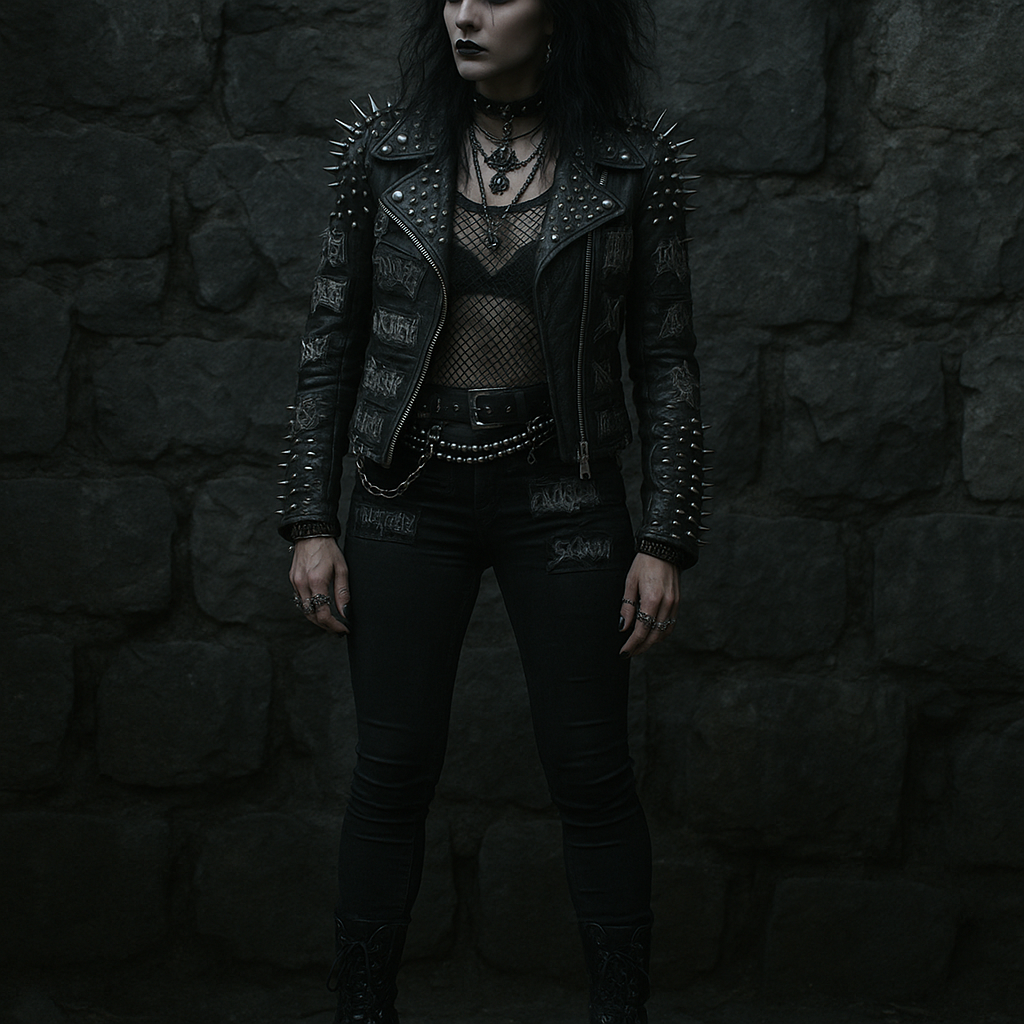
    Heavy metal fan wearing a spiked leather jacket, fishnet top, and platform boots in a gothic editorial style
    Heavy metal fan wearing a spiked leather jacket, fishnet top, and platform boots in a gothic editorial style

    So let’s break it down properly. Here are the wardrobe staples every metal fan needs in 2026, along with some guidance on where to find them without draining your bank account.

    The Spiked Leather Jacket: The Cornerstone of the Look

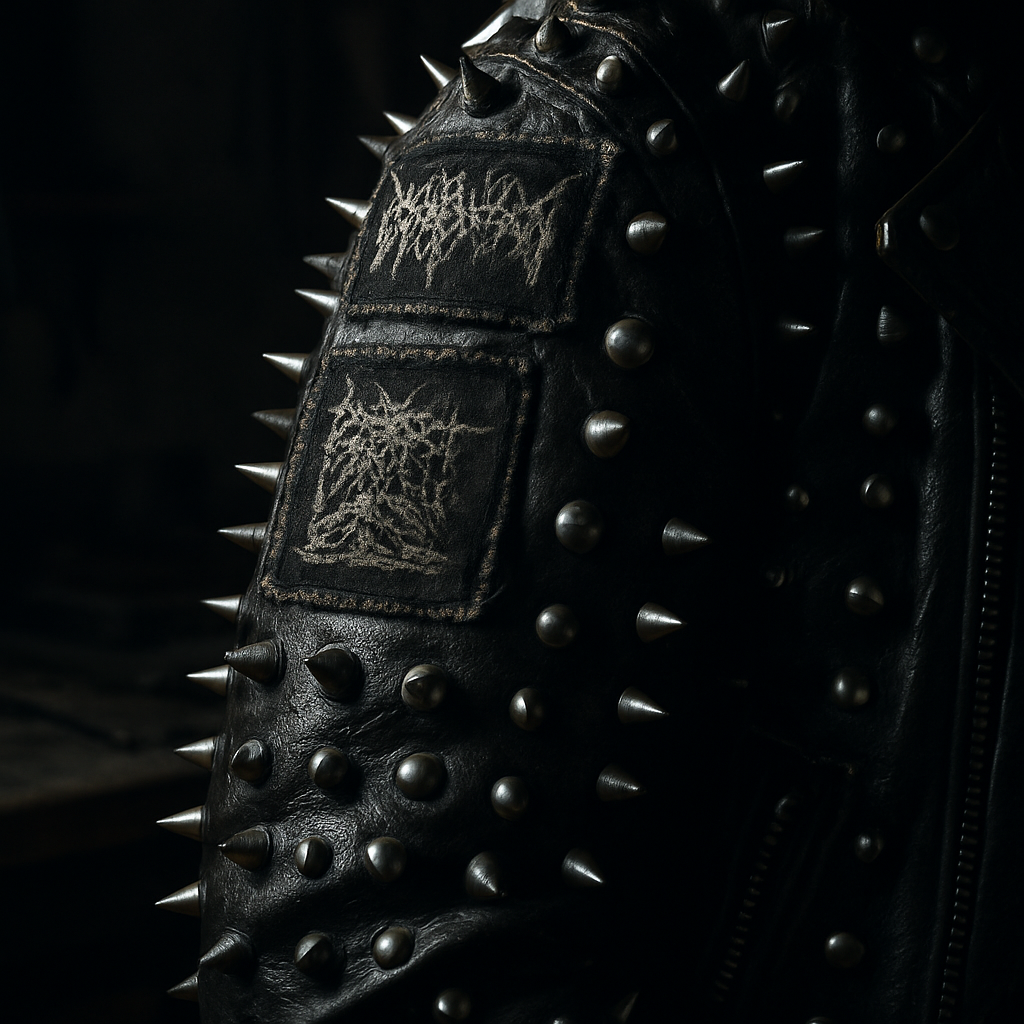
    Nothing announces your presence quite like a well-worn leather jacket covered in spikes, patches, and studs. In 2026, this piece remains the undisputed king of metal fashion. Brands like AllSaints and Schott NYC produce quality real-leather options that will last years. If budget is a concern, check out ASOS or charity shops, where you can find faux-leather jackets for under £40 and customise them yourself with spike strips from craft suppliers on eBay. DIY customisation has always been part of the culture, and it shows genuine investment in the aesthetic. Stud placement matters too; shoulder spikes give off serious battle jacket energy, while chest studs create a more polished, darkwave look.

    Fishnet Layers: Texture Is Everything

    Fishnet has moved well beyond the realm of cliché. In 2026, it’s a genuinely versatile layering tool used by both men and women across the metal and goth communities. Worn under a shredded band tee, layered over a bodysuit, or used as a sleeve insert, fishnet adds texture and visual depth to any outfit. Disturbia and Killstar both stock excellent fishnet pieces at mid-range prices. For cheaper options, H&M and Primark stock basic fishnet tops and tights that do the job perfectly. Don’t be afraid to cut and repurpose; a fishnet body stocking can become a top, a layering piece, or even a headpiece if you’re feeling theatrical.

    Close-up detail of spikes and band patches on a gothic metal leather jacket
    Close-up detail of spikes and band patches on a gothic metal leather jacket

    Platform Boots: Height of the Dark Arts

    Platform boots are non-negotiable. They’re the foundation, quite literally, of the gothic metal look. New Rock boots from the Spanish brand of the same name remain one of the most iconic choices, with their chunky soles and detailed metalwork. Demonia is another go-to brand, offering a huge range of styles from towering 5-inch platforms to more wearable everyday options. If you’re shopping on a tight budget, Shein and YRU offer affordable platform alternatives, though quality will vary. Look after your boots with proper leather care products and they’ll outlast any trend cycle. Lacing them with coloured or spiked laces is an easy way to add personality without spending anything extra.

    Band Merch: Wearing Your Loyalty

    Band merch is the beating heart of any metal wardrobe. In 2026, it’s more than just a shirt; it’s a statement of identity. Vintage tees from bands like Slayer, Bauhaus, Type O Negative, or Cradle of Filth are highly sought after and can be expensive on resale platforms. However, buying directly from a band’s official store at a gig or online keeps the money in the right hands and usually gets you something printed on quality fabric. Styling merch is an art form. Try tucking a baggy band tee into a high-waisted pleather skirt, knotting it at the side, or wearing it over a long-sleeved mesh top for extra layering. The goal is to look intentional, not like you’ve just rolled out of bed.

    Dark Accessories: The Detail That Defines You

    Accessories separate a good gothic look from a great one. Chokers, claw rings, pentagram pendants, and chain belts all add finishing touches that pull everything together. Brands like Alchemy Gothic specialise in dark jewellery with serious craftsmanship, though their pieces sit at a higher price point. For budget-conscious fans, Etsy is a goldmine of independent makers producing gothic accessories at every price range. Layering multiple necklaces of different lengths creates a chaotic, maximalist feel that the goth-metal scene embraces fully. Don’t overlook gloves either. Fingerless lace gloves or spiked leather wrist cuffs are a quick way to add edge to any outfit without a huge financial commitment.

    Building the Look on a Budget

    The gothic metal aesthetic has never been exclusively for those with money to burn. Charity shops, car boot sales, and online second-hand platforms like Depop and Vinted are full of black clothing waiting to be reimagined. Bleach, scissors, and a bottle of fabric dye can transform something ordinary into something genuinely striking. Iron-on patches from band merch stalls or online retailers let you personalise denim jackets and bags cheaply and effectively. The key is to invest in one or two quality anchor pieces, like a proper leather jacket or a solid pair of platform boots, and build everything else around them gradually. Gothic fashion rewards patience and creativity over impulse spending.

    The gothic metal wardrobe in 2026 is a living, evolving thing. It pulls from decades of subculture, from the NWOBHM leather and studs of the early 1980s to the theatrical darkness of contemporary post-black metal acts. Wear what resonates with you, customise relentlessly, and never let anyone tell you it’s too much. In this scene, too much is barely enough.

    Frequently Asked Questions

    What are the most essential gothic fashion pieces for metal fans in 2026?

    The core essentials are a spiked or studded leather jacket, platform boots, fishnet layers, band merch tees, and dark accessories like chokers and chain belts. These pieces form the foundation of the gothic metal aesthetic and can be mixed and matched endlessly.

    Where can I buy gothic fashion on a budget in the UK?

    Charity shops, Depop, and Vinted are brilliant starting points for affordable gothic clothing. Brands like ASOS, Primark, and H&M also stock goth-friendly basics at low prices that you can customise further with studs, patches, and dye.

    Which brands are best known for gothic and metal fashion?

    For footwear, New Rock and Demonia are the top choices. For clothing, Killstar and Disturbia are well respected in the scene. Alchemy Gothic is a favourite for dark jewellery, while AllSaints and Schott NYC offer quality leather jackets.

    How do I style band merch to look intentional rather than casual?

    Layer your band tee over mesh long sleeves, tuck it into a high-waisted skirt or trousers, or knot it at the side for a more fitted look. Pairing it with platform boots and a studded jacket immediately elevates it from everyday casual to a genuine statement outfit.

    Can I build a gothic metal wardrobe without spending a lot of money?

    Absolutely. Start with one or two quality anchor pieces and source everything else second-hand or from budget retailers. DIY techniques like bleaching, cutting, adding patches and studs, and using fabric dye can transform cheap basics into genuinely striking gothic pieces.

  • Underground Metal Bands You Need to Discover in 2026

    Underground Metal Bands You Need to Discover in 2026

    The underground has always been where heavy metal breathes its rawest, most uncompromising air. While the mainstream chases algorithms and festival headliners, there’s a filthy, glorious world operating beneath it, full of bands who’d rather melt your face off in a 200-capacity venue than play it safe for a record label. If you’re ready to dig deeper than your usual rotation, 2026 is an extraordinary time to do it. These are the underground metal acts earning their stripes the hard way, and every single one deserves a slot in your playlist.

    Before we get into the bands themselves, a note on how to actually catch them live. A lot of these acts tour relentlessly through small venues, DIY spaces, and independent promoters, which makes them easy to miss if you’re not paying attention. The best move is to find local events through dedicated gig discovery platforms, because that’s where the underground really lives. Now, let’s get into the noise.

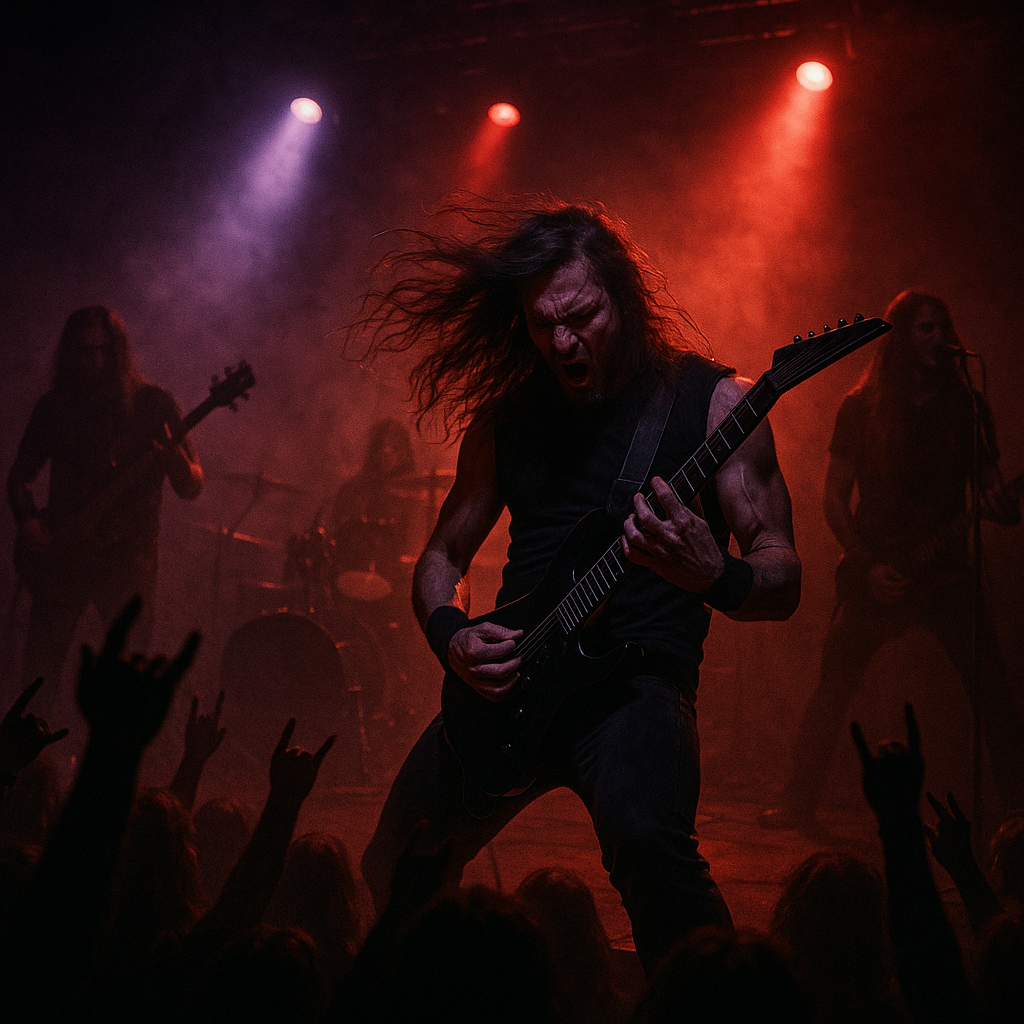
    Underground heavy metal band performing on a smoky, red-lit stage with an intense audience
    Underground heavy metal band performing on a smoky, red-lit stage with an intense audience

    Gravewitch (UK)

    Gravewitch emerged from the Black Country in late 2024 and have spent the past year absolutely terrorising every stage they’ve touched. Their sound sits somewhere between early Cathedral and Electric Wizard, all crushing doom riffs and lysergic, horror-drenched vocals. Their debut EP Pale Kingdom runs at a bludgeoning pace, never quite letting you surface for air. Vocalist and guitarist Mara Hollins has a stage presence that borders on ritualistic. If you enjoy your metal slow, heavy, and wrapped in occult imagery, Gravewitch are essential listening right now.

    Ironveil (Sweden)

    Sweden continues to produce absurdly talented death metal acts, and Ironveil are among the finest to emerge in recent memory. Based in Gothenburg but distinctly against the melodic death sound the city is famous for, Ironveil play a brutal, technically demanding style closer to Morbid Angel than In Flames. Their 2025 full-length Carrion Doctrine is relentless, tightly constructed, and genuinely disturbing in the best way. It’s the kind of record that rewards repeated listens, revealing new layers of complexity each time. Stream it loud or don’t bother.

    Thornfields (Australia)

    Black metal from Australia has been quietly world-class for years, and Thornfields continue that proud tradition. Hailing from Melbourne, they craft a particularly atmospheric strain of the genre, drawing on post-metal textures without ever softening the core aggression. Their 2026 release Soil and Ash is already being discussed in serious black metal circles as one of the year’s most interesting records. The production is raw but deliberate, and the songwriting shows a band with genuine patience and vision. They’re not chasing trends, they’re building something that will last.

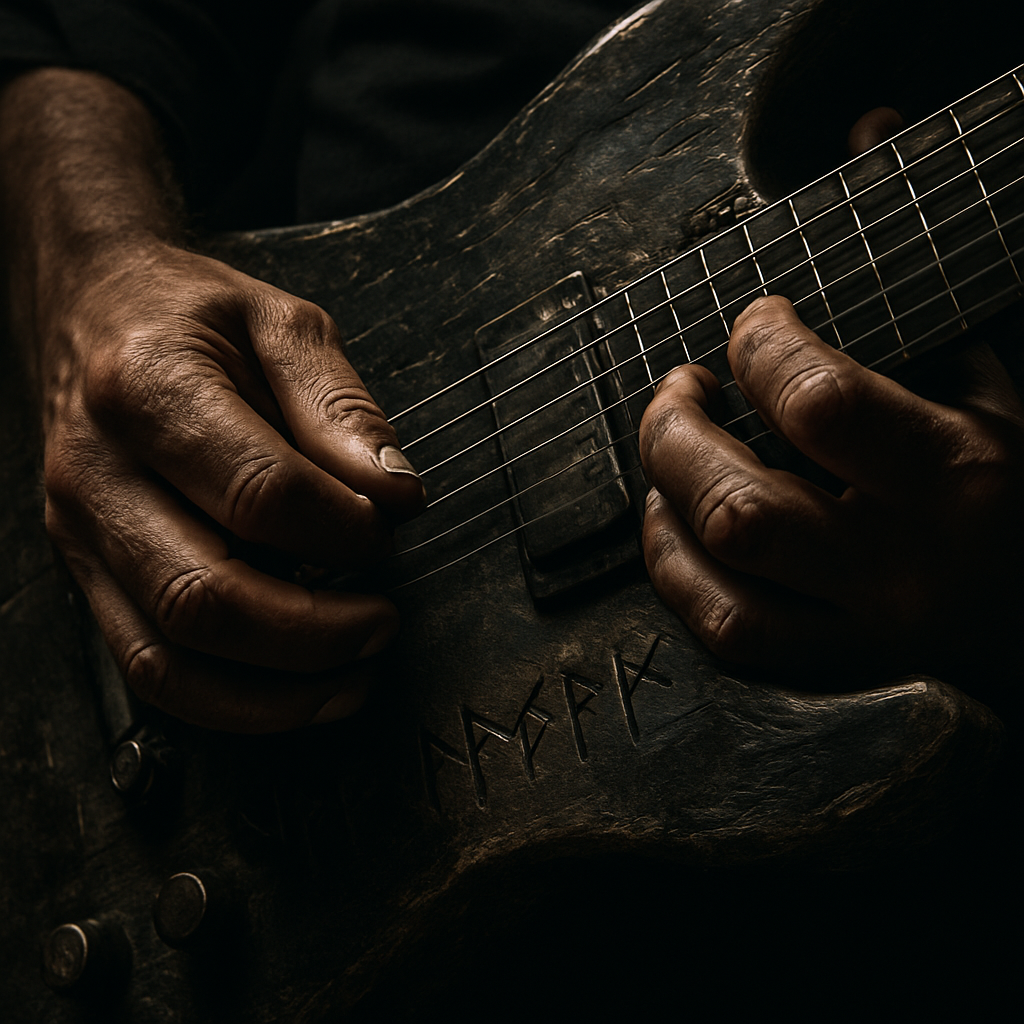
    Close-up of a metal guitarist's hands playing a worn black electric guitar with runic details
    Close-up of a metal guitarist's hands playing a worn black electric guitar with runic details

    Bloodknife (USA)

    Coming out of Detroit, Bloodknife play a sludge and hardcore hybrid that sounds like the city itself, furious, decayed, and absolutely not taking any nonsense from anyone. Their live shows are the stuff of legend among those who’ve caught them; chaotic, sweat-soaked affairs that often end with equipment on the floor and the audience shellshocked. Their self-titled record from early 2026 is short, brutal, and entirely uninterested in being likeable. That’s precisely what makes it great. If you’ve ever loved Trap Them or Nails, Bloodknife belong on your radar immediately.

    Sable Throne (Germany)

    Germany’s heavy music scene is thriving, and Sable Throne are one of its best-kept secrets. They play a hybrid of trad metal and power metal with a darker edge than most acts in either camp, recalling early Blind Guardian filtered through a more modern, punishing production style. Their vocalist, who goes by the stage name Aldric, has an astonishing range, moving from soaring cleans to guttural lows within a single verse. The band’s 2025 concept record The Iron Meridian is ambitious and cinematic in scope. It’s the sort of album that demands headphones and a darkened room.

    Nocturne Plague (UK)

    Closer to home, Nocturne Plague have been steadily building a reputation since their formation in Leeds in 2023. Their brand of blackened death metal sits in a lineage that includes Behemoth and Belphegor, but they’re not simply imitating those giants. There’s a distinct British gothic sensibility running through their writing, a preoccupation with mythology and folklore that gives their lyrics a literary quality rarely found in the genre. Their debut album Crowns of Ruin, released at the start of 2026, is powerful and considered. They’re also one of those acts who you absolutely must see live before the venues they play get considerably larger.

    How to Follow the Underground in 2026

    Staying connected to emerging heavy metal requires a bit more effort than following the usual streaming recommendations. Seek out independent metal blogs, underground forums, and Bandcamp rabbit holes. Subscribe to mailing lists from smaller labels like Profound Lore, 20 Buck Spin, and Sentient Ruin, who consistently sign acts worth caring about. Social media, for all its flaws, remains useful for following bands directly and catching tour announcements before tickets disappear. The underground moves fast and rewards those paying attention.

    Every one of the bands listed here represents something genuine: music made without compromise, built for the love of the genre rather than the approval of an algorithm. Heavy metal has always thrived in the shadows, and 2026 is proof that the underground is healthier and more creative than ever. Get into these acts now, support them on Bandcamp, wear their shirts, and get yourself to the front of the stage when they roll through your town. The riff is waiting for you.

    Frequently Asked Questions

    Where can I find underground metal gigs near me in 2026?

    Dedicated gig discovery platforms are your best bet for finding underground metal events in your area. You can also follow bands directly on social media and sign up to mailing lists from independent promoters and labels who specialise in heavy music.

    How do I discover new underground metal bands?

    Bandcamp is one of the finest tools for discovering emerging heavy metal acts. Independent metal blogs, underground forums, and label rosters from imprints like Profound Lore and 20 Buck Spin are also excellent starting points for finding music that hasn’t reached the mainstream yet.

    What subgenres of metal are thriving in 2026?

    Doom, sludge, blackened death metal, and atmospheric black metal are all producing some of the most exciting underground releases in 2026. Trad and power metal with darker edges are also seeing a strong revival among younger bands pushing the genre forward.

    Are underground metal bands worth seeing live?

    Absolutely. Underground metal acts tend to deliver far more intense and raw live performances than polished mainstream acts. Smaller venues create an atmosphere that’s hard to replicate, and seeing a band before they grow is something you’ll always remember.

    How do I support underground metal bands directly?

    Buying their music directly through Bandcamp, purchasing physical merchandise, and attending their gigs are the most direct ways to support underground acts. Sharing their music with friends and leaving reviews also makes a genuine difference for bands at this level.