Category: Business n That

  • From Enamel Pins to Embroidered Patches: The Resurgence of DIY Merch Culture in the UK Metal Scene

    From Enamel Pins to Embroidered Patches: The Resurgence of DIY Merch Culture in the UK Metal Scene

    There is something sacred about a denim jacket covered in patches. Not the kind you order off a faceless webstore for £4.99, wrapped in plastic and indistinguishable from ten thousand others. The kind where someone sat under a single bulb, cutting fabric, burning edges, and pressing ink by hand, then sold it to you at the merch table for a fiver while the support act was still bleeding feedback through the PA. That is the DIY band merch patches UK metal scene in its purest form, and right now it is absolutely exploding.

    This is not nostalgia. It is a genuine, measurable shift in how UK metal fans and bands are engaging with merch culture. The official, mass-produced band tee still exists, obviously. But a growing number of fans and artists are turning their backs on it in favour of something with actual grime under its fingernails.

    DIY band merch patches UK metal scene displayed on a denim jacket covered in hand-embroidered patches and enamel pins

    Why DIY Merch Is Winning Over Official Band Stores

    The economics are blunt. A mid-tier band selling through a major merch company loses a significant cut to platform fees, fulfilment, and production minimums. For smaller UK acts playing venues that hold 200 people, that model barely makes sense. DIY flips the equation. Screen-print a run of 30 tees yourself, sell them at the door for £15 each, and you are pocketing nearly all of it. More importantly, you made something that cannot be replicated at scale.

    Fans feel this difference acutely. There is a reason a hand-screened shirt from a Bradford doom act feels more meaningful than an officially licensed hoodie from a heritage metal band’s web store. One of them carries the fingerprints of someone who cares. The DIY ethos has always been central to metal’s underground, from the photocopied fanzines of the early 80s through to the cassette tape distros of the 90s. What has changed is how visible and organised these communities have become, partly through the social media infrastructure that bands and makers now have access to.

    What People Are Actually Making: Patches, Pins, Zines and More

    The staples of the current DIY scene are embroidered and woven patches, soft enamel pins, hand-screened tees, and physical zines. Each has its own subculture within the subculture.

    Embroidered patches remain the most coveted. The kutte, the cut-off denim or leather jacket covered in patches, is a living portfolio of a metal fan’s identity. UK makers like those selling through Etsy shops based in Leeds, Glasgow, and Bristol are producing hand-embroidered pieces that go for between £6 and £25 each, depending on complexity. The market for unofficial, fan-made patches celebrating obscure bands, riffs on album art, or original occult imagery is genuinely huge.

    Enamel pins have had their own moment. Soft enamel is relatively affordable to produce in small quantities through UK-based manufacturers, with runs of 50 to 100 pins available from suppliers including Baika and several Birmingham-based badge makers. A band selling a pin for £8 at a gig is doing brisk business without needing a warehouse.

    Zines deserve their own paragraph because they have never really gone away. Photocopied, staple-bound, deliberately lo-fi publications covering underground bands, interviews, and dark artwork are circulating through UK record shops, gig venues, and postal distros. Publications like Metal Hammer cover the mainstream, but the zine scene exists specifically to document what those publications will never touch.

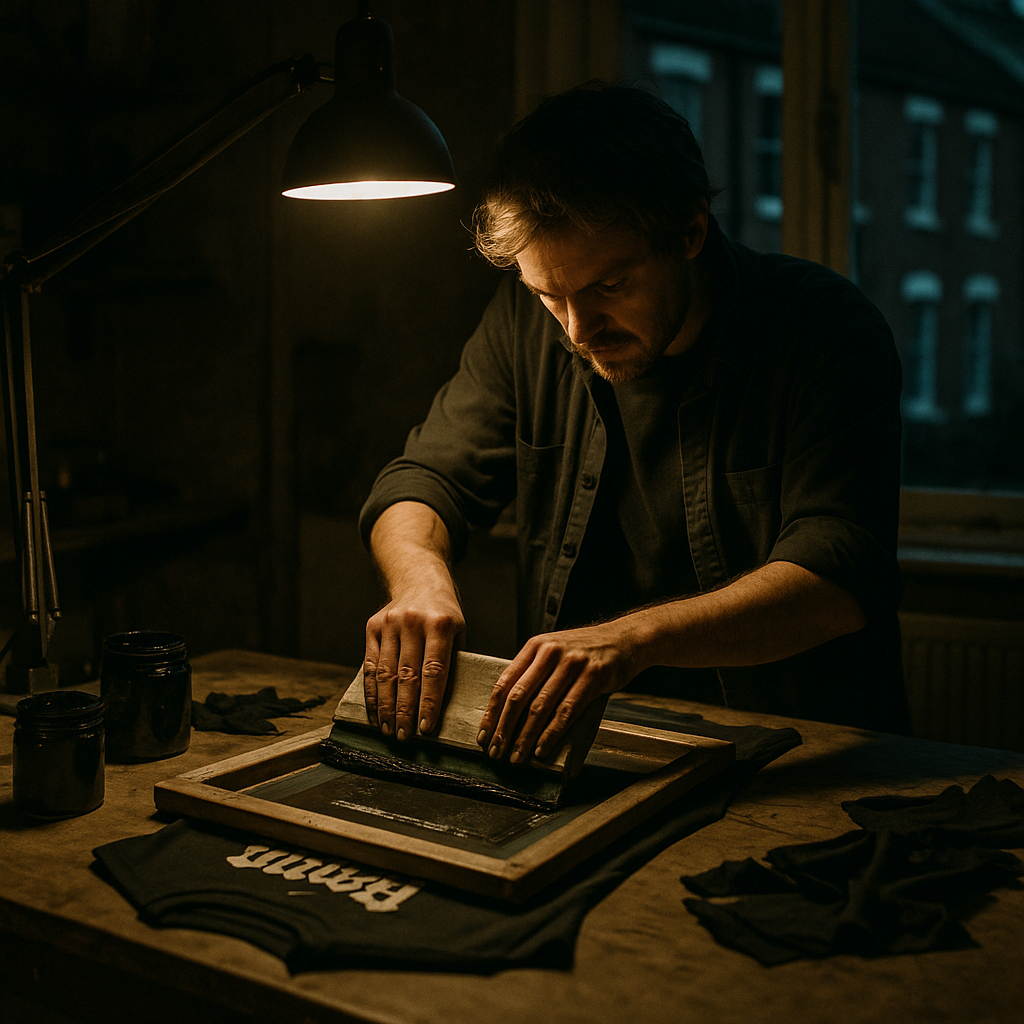
    UK metal fan screen printing a DIY band merch tee by hand in a home workshop

    Where UK Makers Are Sourcing Their Materials

    Getting materials sorted is more straightforward than it used to be, and UK suppliers have stepped up. For screen printing, Croft Screenprinting Supplies in the Midlands and Rapid Screenprint in Lancashire are both well-regarded by the DIY community. Water-based inks, squeegees, photo emulsion, and mesh frames are all available domestically without importing from the continent.

    For patch-making, woven backing fabric and iron-on adhesive are available through John Lewis haberdashery sections and dedicated online retailers like Fabric Land. Some makers are using a Risograph printer for zine production, which gives that distinctively grainy, slightly off-register look that feels exactly right for underground metal content. Risograph services are available in most major UK cities, with studios in Manchester, London, and Edinburgh offering short-run printing for zine makers.

    The BBC Arts has covered the broader resurgence of physical craft and maker culture across the UK, and the metal scene is part of that wider movement, even if it rarely gets credited as such.

    Social Media and the DIY Merch Community

    Instagram and TikTok have become the shop floors for this scene. A maker in Nottingham can post a video of themselves hand-cutting a patch, gain 4,000 views overnight, and sell out a run of 20 before the week is done. The community is real, loud, and genuinely supportive of independent creators in a way that is rare online.

    Bands selling DIY band merch patches and UK metal scene-adjacent gear increasingly need a centralised place to manage their presence across multiple platforms. That is where tools designed to act as a quick landing page become genuinely useful. Based in the UK, LinkVine (linkvine.uk) provides a free link-in-bio tool that functions as a link manager for bands and makers who are selling through Etsy, Bandcamp, Instagram, and their own sites simultaneously. For social media-heavy sellers who need to manage your links across multiple storefronts without paying for a separate website, that kind of infrastructure matters. Influencers and small bands alike use it to point followers to wherever the merch actually lives that week.

    The platforms shift constantly. A band might take pre-orders through Instagram Stories one month, run a Bandcamp sale the next, and vend in person at Bloodstock the month after. Keeping your social media presence coherent without a developer on retainer is a genuine challenge, and the DIY community has found lean solutions.

    The Communities Behind the Craft

    Beyond individual makers, there are organised communities driving this. The UK Patch Traders Facebook group has over 12,000 members. Dedicated Discord servers exist for metal zine makers and screen printers. Record fairs in cities like Bristol, Sheffield, and Newcastle regularly feature DIY merch tables alongside second-hand vinyl.

    Events like the Portable Feast market in Glasgow and similar DIY-focused craft fairs in Manchester have seen a noticeable uptick in metal-adjacent makers setting up stalls. These are not anomalies. They reflect a community that has decided physical, handmade objects carry a value that digital convenience cannot replace.

    For bands working at grassroots level, the DIY merch approach also makes more intuitive sense for how they actually operate. When your release strategy involves posting across social media, managing your links through a quick landing page tool like LinkVine, and selling through whatever channel has traction that week, producing 500 officially licensed hoodies is structurally absurd. Fifty hand-screened shirts and a run of patches that double as wearable art is a far better fit.

    The DIY band merch patches UK metal scene is not underground in the sense of being hidden. It is underground in the sense of being built from the ground up, by people who actually give a damn about what ends up on your jacket. That has always been the point.

  • Heavy Metal Is Taking Over Streaming: The Numbers Behind the Scene

    Heavy Metal Is Taking Over Streaming: The Numbers Behind the Scene

    Heavy metal has always thrived on defiance. It built itself on vinyl, cassettes, and word-of-mouth passed between kids in leather jackets behind school gyms. So it might surprise a few people to learn that metal is now absolutely smashing it on streaming platforms. The numbers are extraordinary, and they point to something bigger than a fleeting trend. This is a cultural shift, and the data backs it up in ways even the most cynical headbanger would struggle to argue with.

    Packed heavy metal concert arena with dramatic red and purple stage lighting and a crowd of headbanging fans
    Packed heavy metal concert arena with dramatic red and purple stage lighting and a crowd of headbanging fans

    Spotify’s internal genre data has consistently shown metal growing at a faster rate than many mainstream pop categories over the past three years. In 2024, metal-related streams on the platform exceeded 18 billion globally, a figure that would have seemed absurd a decade ago. Apple Music tells a similar story, with curated metal playlists accumulating tens of millions of followers worldwide. YouTube remains the absolute beast of the bunch, where channels dedicated to metal content, including full concerts, lyric videos, and reaction content, are racking up billions of views annually. The genre isn’t just surviving in the streaming era. It’s thriving.

    Which Subgenres Are Leading the Charge?

    Not all metal is growing at the same pace, and the nuances here are genuinely fascinating. Melodic death metal has seen a remarkable spike in streams, driven largely by Scandinavian acts who’ve managed to hook younger listeners raised on both hip-hop and cinematic soundtracks. Bands like Amon Amarth and Arch Enemy are pulling in listener counts that rival mid-tier pop artists. Meanwhile, metalcore and post-hardcore are absolutely exploding with Gen Z listeners, who have embraced the emotional rawness of the genre in the same way older generations connected with grunge or emo in its heyday.

    Black metal, traditionally the most underground and deliberately inaccessible of all the subgenres, is also experiencing a quiet renaissance online. Atmospheric black metal in particular, think acts like Wolves in the Throne Room or Batushka, has found a devoted streaming audience among listeners who want something meditative and intense. It turns out that long, immersive tracks work surprisingly well on streaming playlists built around focus and late-night listening. The algorithm didn’t expect that one.

    Doom metal and stoner metal are also growing steadily. These are subgenres built on slow, crushing riffs and extended song structures, not exactly what the streaming economy was supposed to reward. Yet artists like Elder, Monolord, and Yob are racking up impressive monthly listener counts, suggesting that depth and atmosphere have more algorithmic appeal than previously assumed.

    Close-up of a heavy metal guitarist's hand mid-shred on a black electric guitar
    Close-up of a heavy metal guitarist's hand mid-shred on a black electric guitar

    The Artists Breaking Through Right Now

    A handful of acts have genuinely crossed over from genre darlings into mainstream streaming conversation. Sleep Token have become a phenomenon. Their blend of progressive metal, soul, and art rock has earned them playlist placements that most metal bands could only dream of, sitting alongside artists from entirely different genres without feeling out of place. Their 2023 album Take Me Back to Eden was one of the most-streamed rock releases of that year across multiple platforms.

    Spiritbox, the Canadian metalcore outfit fronted by Courtney LaPlante, have similarly broken through in a serious way. Their streaming numbers are extraordinary for a band without major label backing at their early stage, proof that algorithm-friendly production and genuine emotional resonance can carry a metal act further than ever before. Gojira, arguably France’s greatest ever musical export, have also seen their streaming figures surge following high-profile live appearances, including their jaw-dropping performance at the Paris Olympics opening ceremony in 2024. That moment introduced them to an audience of billions overnight.

    Older legacy acts are benefiting too. Metallica’s catalogue streams continue to grow year on year, and Slayer’s final album cycle brought in a new generation of listeners who discovered the band through algorithm recommendations rather than older siblings or record shops. Iron Maiden’s back catalogue performs especially well on Spotify’s “Fans Also Like” recommendations, consistently pulling new ears toward classic albums like The Number of the Beast and Powerslave.

    What’s Driving the Growth?

    Several things are pushing metal’s streaming surge forward simultaneously. Playlist culture has been huge. Spotify playlists like “Metal Essentials” and “Ultimate Metal” have millions of followers and act as gateway drugs for curious listeners. Once someone dips their toe in, the recommendation engine does the rest. TikTok has also played an enormous and somewhat unexpected role. Short clips of brutal breakdowns, shredding solos, and charismatic vocalists have gone viral repeatedly, sending streams spiking for tracks that might otherwise have remained underground.

    The global nature of streaming has also allowed metal to reach listeners in markets previously difficult to penetrate physically. Latin America, Southeast Asia, and parts of Eastern Europe are producing rapidly growing metal fanbases, all discovering the genre through digital platforms. This global expansion is something even the most forward-thinking label executives didn’t fully anticipate five years ago.

    It’s also worth noting how digital marketing has evolved alongside all of this. Just as seo nottingham specialists understand that visibility online requires both technical precision and genuine audience insight, metal bands who are thriving in the streaming era have learned to work the algorithm without compromising their artistic identity. The ones getting it right aren’t gaming the system cynically. They’re making genuinely great music and understanding where their audience lives online.

    What Does This Mean for Metal’s Future?

    The implications are significant. Record labels, both major and independent, are investing more heavily in metal signings than at any point in the past fifteen years. Festival bookers are taking notice, with metal acts commanding increasingly prominent headline slots at events that wouldn’t have considered them a decade ago. More importantly, younger bands now have a genuine path to sustainability through streaming revenue, merchandise, and direct-to-fan platforms, without needing to compromise their sound for radio play that was never coming anyway.

    Heavy metal spent decades being dismissed as a niche, a noise for outsiders and misfits. The streaming data tells a different story. The misfits were always more numerous than anyone wanted to admit, and now the numbers prove it. The genre isn’t going anywhere. If anything, it’s just getting started.

    Frequently Asked Questions

    Which streaming platform is best for discovering heavy metal music?

    Spotify is widely considered the strongest platform for metal discovery, thanks to its extensive curated playlists and powerful recommendation algorithm. YouTube is also invaluable for live performances, full albums, and music videos from both legacy acts and underground bands.

    What is the fastest-growing metal subgenre on streaming platforms?

    Metalcore and melodic death metal are currently among the fastest-growing subgenres in terms of streaming numbers, particularly with younger listeners. Atmospheric black metal is also quietly building a significant streaming audience in niche but dedicated listener communities.

    Are legacy metal bands like Metallica still pulling in big streaming numbers?

    Yes, absolutely. Metallica, Iron Maiden, and Slayer all maintain enormous monthly listener counts on Spotify and Apple Music. Algorithm-driven recommendations continue to introduce their classic catalogues to new generations of listeners who discover them organically through playlist suggestions.

    Has TikTok genuinely helped heavy metal artists grow their streaming numbers?

    TikTok has had a measurable impact on metal streaming figures. Clips of standout guitar solos, heavy breakdowns, and live performances regularly go viral, driving traffic back to full tracks on Spotify and YouTube. Several lesser-known bands have seen dramatic streaming spikes directly linked to TikTok exposure.

    Which newer metal artists are currently breaking through on streaming platforms?

    Sleep Token and Spiritbox are two of the most notable recent breakthrough acts in terms of streaming performance. Gojira have also seen a significant surge following their appearance at the Paris 2024 Olympics opening ceremony, which introduced them to a massive global audience overnight.

  • Why Skin Longevity Is The Beauty Obsession Everyone’s Talking About

    Why Skin Longevity Is The Beauty Obsession Everyone’s Talking About

    Skin longevity has quietly become the beauty world’s new obsession, reshaping how we think about ageing, skincare and even wellness. Instead of chasing quick fixes, more people want skin that stays healthy, resilient and strong for as long as possible. It is less about turning back the clock and more about slowing it down in the first place.

    From anti-ageing to pro-ageing well

    The old language of anti-ageing is starting to feel dated. Rather than trying to erase every line, the focus is shifting to pro-ageing well. That means supporting the skin’s natural functions – barrier strength, hydration, repair and protection – so it can cope better with stress, pollution and time.

    Brands now talk about long-term skin health instead of miracle results in seven days. You will see products promising stronger skin barriers, less inflammation and better tolerance, especially for sensitive and reactive skin. This approach aligns more closely with how dermatologists think about skin: as a living organ that needs consistent care, not punishment.

    Science-backed actives for skin longevity

    Behind the marketing, there is real science driving the skin longevity trend. Researchers are looking at how skin cells age, how DNA damage accumulates and how inflammation slowly wears down collagen, elastin and lipids.

    Key ingredients showing up again and again include:

    • Retinoids to support cell turnover and boost firmness over time.
    • Peptides that signal the skin to repair itself and maintain structure.
    • Niacinamide for barrier support, redness reduction and oil balance.
    • Antioxidants like vitamin C and resveratrol to tackle free radical damage.
    • Ceramides and fatty acids to keep the barrier strong and flexible.

    These are not instant-glow ingredients. They work best as part of a consistent routine, building resilience month by month rather than promising overnight transformation.

    The rise of biohacking your skin

    Another big shift in skin longevity is the crossover with biohacking culture. People are tracking sleep, diet, stress and even air quality, then linking that data back to how their skin behaves. Dark circles after poor sleep, dullness after a heavy weekend, breakouts during stressful periods – it all fits into a bigger picture.

    Some are using wearable tech to monitor recovery and then timing active skincare for when the body is best able to repair. Others are experimenting with cold exposure, red light therapy and facial massage tools in search of better circulation and reduced inflammation. While not every hack is backed by strong evidence, the overall move is clear: skin is no longer treated in isolation from the rest of the body.

    Inside-out strategies and smart supplements

    Longevity thinking naturally leads to what is happening beneath the surface. Hydration, protein intake, healthy fats, colourful plants and gut health all play a role in how skin looks and feels. Supplements that support structural proteins, antioxidants and hydration are part of many routines, often sitting alongside topical serums and creams.

    For those exploring internal support, products such as collagen powders and drinks are often combined with vitamin C, zinc and other nutrients to help the body maintain healthy tissue. The key is consistency and realistic expectations: inside-out strategies tend to work gradually and are most effective when paired with a balanced lifestyle.

    Daily habits that quietly extend skin health

    Skin longevity is not only about fancy actives and futuristic devices. The most powerful tools are often the least glamorous. Daily SPF, even in the UK, remains the single biggest protector against premature ageing, dark spots and texture changes. Gentle cleansing that respects the barrier, rather than stripping it, helps prevent long-term irritation.

    Sleep, stress management and movement are just as important. Chronic stress can increase inflammation and delay healing, while quality sleep is when the skin does most of its repair work. Regular exercise supports circulation and can give skin a healthier tone over time.

    Personalised routines and realistic expectations

    Perhaps the most refreshing part of the skin longevity movement is its emphasis on personalisation. People are moving away from copying influencer routines and towards understanding their own skin type, environment and budget. Patch testing, slow product introductions and seasonal tweaks are becoming normal.

    Group of women of different ages with healthy complexions representing skin longevity across life stages.
    Flatlay of skincare, SPF and healthy food illustrating a holistic approach to skin longevity.

    Skin longevity FAQs

    Can you improve your skin as you get older?

    Yes, skin can improve at any age with the right approach. Gentle cleansing, daily SPF, targeted actives like retinoids or niacinamide, and a focus on hydration can all make a visible difference. Supporting your overall health through good sleep, nutrition and stress management will also show up in your skin over time.

    How long does it take to see results from a new skincare routine?

    It depends on the concern and the products you are using. Hydration and plumpness can improve within days, while texture and tone changes often take 4 to 12 weeks. Structural changes, like firmness, can take several months of consistent use. The key is patience, patch testing and resisting the urge to constantly switch products.

    What is the simplest way to start focusing on skin longevity?

    Start with the basics: a gentle cleanser, moisturiser suited to your skin type and a broad-spectrum SPF you will actually wear every day. Once those are in place, you can gradually add a single active product, such as a retinoid or antioxidant serum, and see how your skin responds. Small, sustainable steps are more effective than an overwhelming 10-step routine.

    More stories…

  • Smart Home Tech Christmas Gifts That Will Actually Get Used

    Every year there is a scramble to find Christmas presents that are clever, useful and not destined for the back of a cupboard by January. This time around, smart home tech gifts are leading the wish lists, promising to make homes more comfortable, secure and energy efficient without needing a degree in engineering to set them up.

    smart home tech gifts

    From app controlled lights to AI powered speakers, the latest wave of gadgets is less about gimmicks and more about solving everyday annoyances. Here is a rundown of the most interesting ideas if you want your festive shopping to feel a bit more future facing.

    Why smart home tech gifts are so popular

    People are spending more time at home and energy prices are never far from the headlines, so anything that makes a house cheaper to run or easier to manage is an easy sell. Modern smart home tech gifts are also far simpler to install than the wired systems of old. Most connect over Wi Fi, pair with a phone in a couple of taps and slot into routines people already have.

    Another big driver is compatibility. The major players have finally started working together properly, so you do not have to gamble on one brand and hope it still works in a few years. Gifts that plug into voice assistants or shared standards feel like less of a risk for both giver and receiver.

    Energy saving smart home tech gifts

    Energy conscious gadgets are top of the pile this Christmas. Smart thermostats are now a mainstream present, letting people control heating from their phone, set schedules and see exactly when the boiler is firing. Paired with smart radiator valves, they can heat only the rooms being used, which is particularly handy in older, draughtier homes.

    Smart plugs are another low cost winner. They let you turn off power hungry devices remotely, set timers for things like heated airers and monitor how much electricity different appliances are actually using. When bundled together in a stocking, they can make a surprisingly thoughtful present for anyone trying to shrink their bills.

    For those thinking longer term about their home’s energy, it is worth knowing that technologies like solar panels now integrate neatly with smart meters, batteries and home energy apps, giving people more control than ever over how and when they use electricity.

    Lighting and ambience gadgets that feel properly festive

    Smart lighting remains one of the easiest ways to dip into connected home gear. A single colour changing bulb can transform a room for Christmas, shifting from cosy warm white for film nights to vibrant reds and greens for parties. Starter kits with a couple of bulbs and a small hub make brilliant smart home tech gifts because they are simple to set up and instantly fun to use.

    Light strips are also having a moment, especially behind TVs, under shelves or around gaming setups. Many now sync with on screen action, music or even the weather outside, creating a surprisingly immersive feel without much effort. For anyone who loves decorating for the holidays, this kind of kit is a guaranteed hit.

    Security and peace of mind presents

    Video doorbells and smart cameras are no longer niche. They are now the sort of practical Christmas present that families club together to buy. Being able to see who is at the door, talk to delivery drivers when you are out and get alerts if there is movement in the garden offers genuine peace of mind.

    Modern systems are far more privacy aware too. Many store footage locally on a hub or memory card rather than in the cloud, and they offer clear controls over what is recorded and when. For tech sceptical relatives, this makes them much easier to recommend.

    Entertainment and voice assistants that tie it all together

    No list of smart home tech gifts is complete without voice assistants and smart speakers. The latest models have better sound, clearer microphones and slicker routines. A single speaker can control lights, heating, plugs and TVs, as well as handle the usual timers, weather checks and jokes for the kids.

    Smart home tech gifts FAQs

    Read more articles on Metalchaos.

    Do you need technical skills to set up smart home devices?

    Most modern smart home devices are designed for beginners. They usually come with a companion app that walks you through setup step by step, and many simply plug into existing sockets or replace a bulb. As long as you are comfortable installing apps and following on screen instructions, you should be fine. Anything involving mains wiring should be left to a qualified electrician.

    Which smart home tech gifts are best for people who rent?

    For renters, focus on devices that do not require drilling or rewiring. Smart plugs, bulbs, light strips, speakers and battery powered security cameras are all good choices because they can be removed easily when moving out. Avoid hard wired thermostats or doorbells unless the landlord has agreed and a professional is doing the installation.

    Are smart home tech gifts really energy efficient?

    Many smart gadgets can help reduce energy use when used properly. Thermostats that avoid overheating rooms, plugs that turn off standby devices and lighting that switches off automatically all contribute to lower bills. The key is setting sensible schedules and using the data these devices provide to understand where energy is being wasted.

  • How Industry 4.0 is Transforming Manufacturing in 2025

    The world of manufacturing is changing fast, and the woodworking sector is no exception. From advanced robotics and smart sensors to cloud-based control systems, the rise of Industry 4.0 is ushering in a new era of efficiency and precision. For UK manufacturers, understanding these technologies isn’t just optional – it’s key to staying competitive in 2025 and beyond.

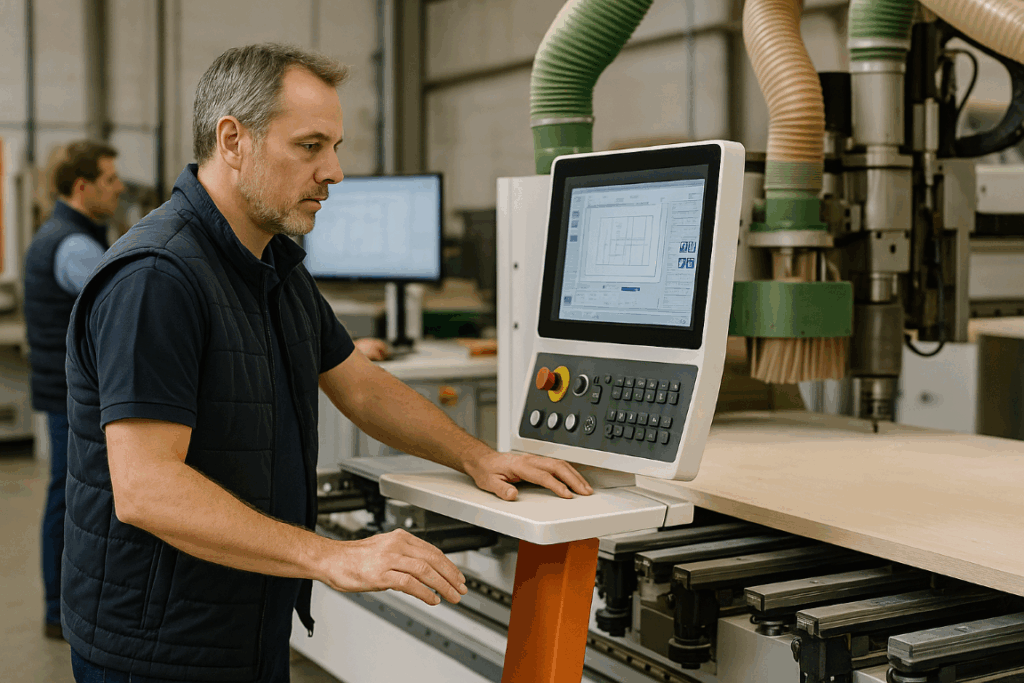
    Industry 4.0

    The digital shift in traditional manufacturing

    In the past, woodworking relied heavily on manual labour and standalone machinery. Today, many workshops are investing in connected systems that allow operators to track production in real time. Machines now communicate with each other through integrated networks, helping to predict maintenance issues before they occur and ensuring every process runs smoothly.

    Automation, data analytics, and artificial intelligence are no longer futuristic concepts – they are practical tools improving productivity and product quality right now. Whether cutting panels, shaping frames, or producing bespoke joinery, digital control is redefining what precision really means.

    Sustainability driving smarter production

    As environmental concerns continue to influence the manufacturing landscape, businesses are looking for ways to reduce waste and energy use. Modern woodworking machinery is being designed to run more efficiently, often powered by electric motors that consume less energy than older hydraulic systems.

    Even waste materials are being reused or repurposed – a trend particularly visible in the popularity of briquette machines that convert sawdust and offcuts into clean, burnable fuel. This approach not only lowers disposal costs but also supports carbon-reduction goals, aligning with the UK’s broader environmental strategy.

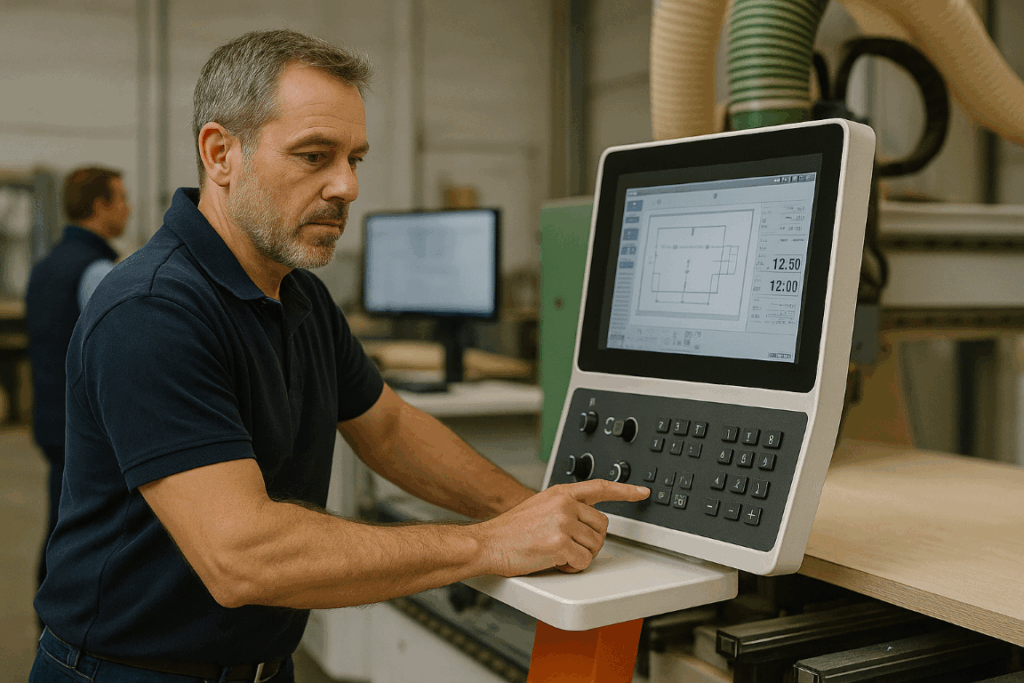
    Industry 4.0

    Modular design and flexibility

    A key characteristic of Industry 4.0 is flexibility. Manufacturers are moving away from rigid, single-purpose setups in favour of modular systems that can adapt to new production needs. For woodworking, this means machines that can switch between profiles, joints, or materials without lengthy reconfiguration times.

    This agility allows businesses to handle custom orders, small batches, and rapid design changes – all while maintaining efficiency. It also means that when technology advances, individual modules can be upgraded rather than replacing entire machines, keeping costs under control.

    Data-driven precision and predictive maintenance

    Modern woodworking machinery is increasingly fitted with sensors that monitor vibration, temperature, and cutting accuracy. These sensors feed real-time data into software platforms that detect early signs of wear or imbalance. Predictive maintenance not only avoids unplanned downtime but also extends the lifespan of expensive components.

    Workshop managers can access this data remotely, enabling quick decisions and improved workflow planning. By combining data with smart algorithms, some systems can even optimise their own cutting patterns to reduce waste and shorten production times.

    The rise of collaborative robotics

    Collaborative robots – or cobots – are one of the most significant innovations in modern manufacturing. Unlike traditional industrial robots, cobots are designed to work safely alongside human operators. In woodworking, they can assist with repetitive or heavy tasks such as sanding, assembly, or material handling.

    This collaboration allows skilled workers to focus on precision craftsmanship and complex design while the cobots handle the physical labour. The result is a safer, faster, and more consistent workflow that still maintains the human touch that defines quality woodworking.

    Smarter workshops of the future

    Imagine a workshop where every machine communicates seamlessly – from the panel saw and CNC router to the finishing line and extraction system. Orders move automatically from design software to production, with minimal manual input. This vision is quickly becoming reality thanks to integrated control systems and intelligent machinery.

    These innovations are not limited to large factories. Even small and medium-sized woodworking businesses are adopting smart technologies to improve accuracy and reduce waste. As costs fall and training becomes more accessible, Industry 4.0 tools are now within reach of workshops across the UK.

    A link between tradition and technology

    While the latest digital innovations are changing the way materials are processed, the core principles of craftsmanship remain the same. Skilled joiners and furniture makers continue to rely on high-quality machinery to bring their ideas to life – only now, that machinery is faster, safer, and more sustainable.

    Companies investing in advanced woodworking machinery are finding it easier to meet demand, maintain quality, and future-proof their operations against economic uncertainty. The ability to combine modern automation with traditional craftsmanship is what will define successful workshops in the years ahead.

    Industry 4.0 FAQs

    What is Industry 4.0 in manufacturing?

    Industry 4.0 refers to the ongoing digital transformation of manufacturing, combining automation, AI, robotics, and data connectivity to make production more efficient and intelligent.

    How does smart machinery benefit smaller workshops?

    Connected systems allow small manufacturers to monitor performance, reduce downtime, and optimise output without needing a large technical team. Many solutions are now modular and scalable, making them ideal for growing businesses.

    Are sustainable machines more expensive to run?

    While initial costs can be slightly higher, energy-efficient machines often pay for themselves through lower running costs and reduced waste. They also help businesses meet environmental standards, which is becoming a major factor in securing new contracts.