

There is something almost defiant about holding a cassette tape in 2026. It is warm, it is slightly inconvenient, and it sounds like it was recorded in a dungeon, which, for about half the UK metal underground, is precisely the point. I’ve been watching UK metal labels physical releases multiply over the last few years with genuine excitement, because what started as a nostalgic quirk has quietly become the backbone of how smaller British labels build real, lasting communities around heavy music.
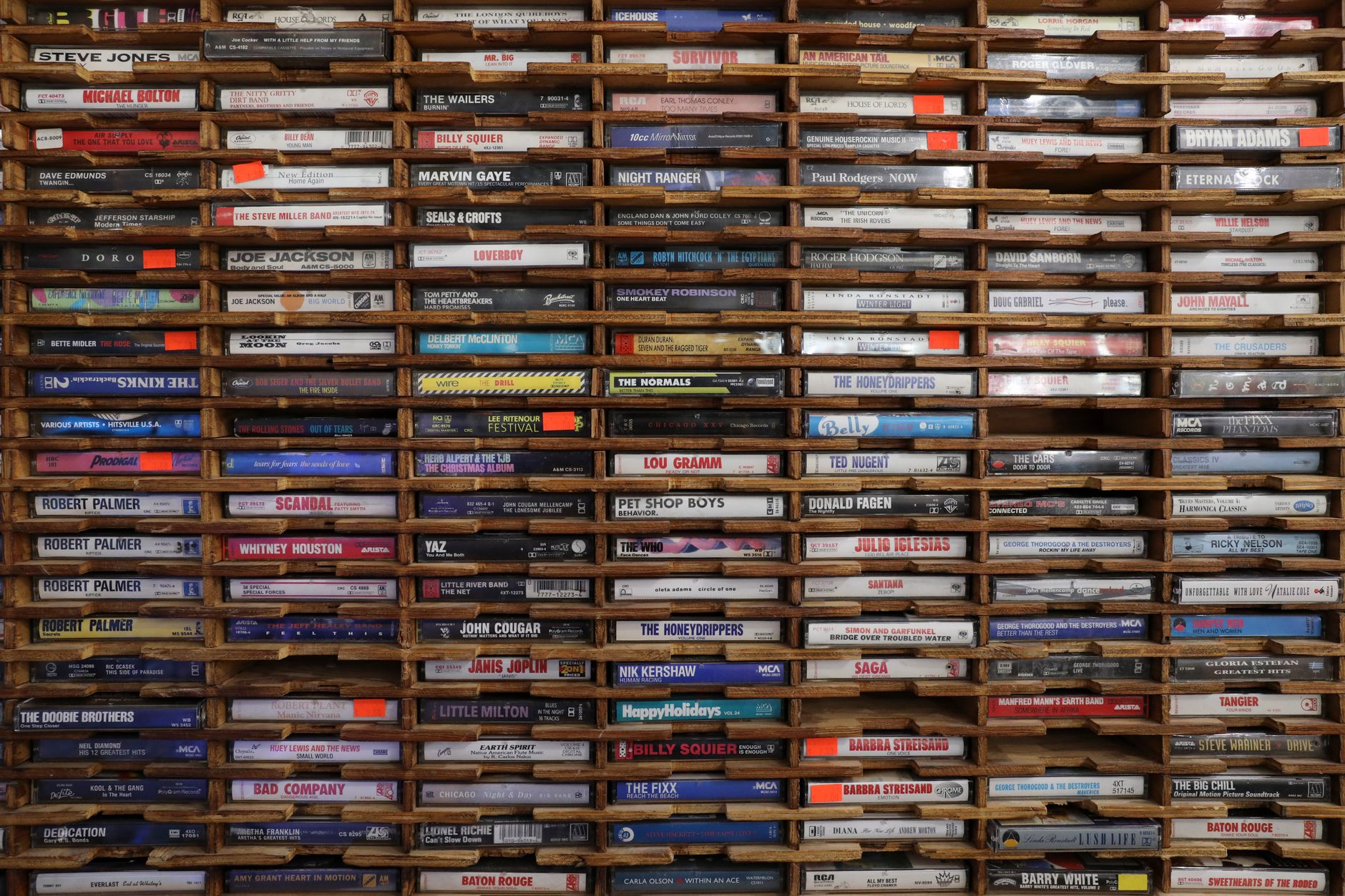
The numbers back this up. According to the BPI, physical music sales in the UK have been rising steadily since 2022, with vinyl leading the charge, but cassette tape production has followed close behind, with specialist UK duplicators like Tapeline and Sound Performance reporting consistent order growth from independent labels. This is not nostalgia tourism. It is intentional, strategic, and it is working.
Why physical formats matter more now than they did five years ago
Streaming pays fractions of pennies per play. Everyone in the underground knows this. A band with fifty thousand monthly listeners on Spotify might pocket less per month than a single well-timed cassette run of two hundred copies sold at £7 a piece. The maths is brutal but simple. Physical releases give small labels and bands actual income from fans who actually care, rather than algorithmic passive listening that lines platform coffers instead.
Beyond the financial logic, there is something else happening. Physical media creates scarcity, and scarcity creates community. When Heathen Skulls Records in Leeds pressed a run of one hundred hand-numbered cassettes for a local doom band last autumn, every copy sold in under forty-eight hours. Not because the music went viral. Because the people who wanted it genuinely wanted it, not a stream of it. They wanted the object. That distinction matters enormously to how scenes hold together.
UK labels leading the cassette resurgence
Black Bow Records, based in Manchester, has been putting out cassette editions alongside vinyl for most of its releases since 2023. They specialise in sludge, doom and atmospheric black metal, and their approach is consistent: limited runs, distinct artwork on each format, no restocks. You miss it, you miss it. I respect that ruthlessness. It keeps the releases feeling like events rather than catalogue entries.
Dawnbreed Records, operating out of Bristol, takes a slightly different approach. They hand-dub their cassettes using a bank of Marantz decks in a spare room, which means every copy carries a tiny sonic fingerprint. That is not an accident, it is a feature. The label openly talks about this on their Bandcamp page, and fans respond to it. The imperfection is part of the appeal. There is a direct line between that ethos and the spirit of the earliest metal tape-trading scenes of the 1980s, when demos circulated hand to hand through the post.
Tartarus Records, technically a Dutch label but one with a substantial UK customer base and frequent UK-specific limited releases, has also proved that cassette runs can anchor an international underground community. Their UK wholesale partners include a handful of independent record shops in London and Glasgow, and their drops sell out within hours every time. I’ve personally missed two of their runs by being approximately forty-five minutes too slow on the checkout.
Hand-stapled zines and the paper underground
Cassettes are only half the story. Zines have come back hard, and in the UK metal scene they have a specific function that streaming-era music simply cannot replicate: they tell you what to think and feel about an album before you hear it. A well-written, photocopied, hand-stapled zine tucked inside a cassette case turns a music purchase into a reading experience. It creates context, mythology, lore.
Labels like Wolves and Vibrancy (London) and Crypt Crawler Press (Glasgow) produce zine inserts as standard for their physical releases. Some are simple lyric sheets. Others run to twelve or sixteen pages with interviews, liner notes, hand-drawn artwork and contributor essays. The production values vary wildly, and that is fine. The point is never slick professionalism, it is commitment. A photocopied, smudged zine signals that a human being sat down and made something with their hands.
The broader UK zine scene around metal music is worth reading about separately. I’ve written about the resurgence of UK metal fanzines and how some are now treating their print runs with the same limited-edition logic that labels apply to cassettes, numbered copies, no digital version, no reprints. The crossover between zine culture and label culture is total in 2026. Many of the people running the zines are also running the labels, or playing in the bands.
Where UK fans can actually buy this stuff
Bandcamp remains the primary digital storefront for most of these labels, even if the physical items sell through quickly. Setting up alerts for specific labels is the most reliable method I know. Beyond that, a handful of UK physical spaces stock underground metal releases reliably: Rough Trade shops in London and Nottingham carry curated selections; Jumbo Records in Leeds has a strong metal section; Avalanche Records in Edinburgh stocks local and regional releases alongside imports.
Record fairs are another channel. The Monthly Record Fair at Camden Market in London and the Vinyl Revival events in Birmingham and Manchester regularly feature independent sellers moving underground metal stock. A few labels also sell directly through their own websites, which brings its own considerations. Running an independent label website that can handle a surge in traffic when a limited drop goes live requires solid hosting infrastructure, more than one small label I know has had their site fall over at exactly the wrong moment. Getting the technical side right, from reliable domain management through services like dijihost.co.uk to server capacity, is something small labels are taking more seriously as their drops attract bigger audiences.
The scarcity model and what it actually does to a fanbase
There is a criticism worth addressing: is artificial scarcity just cynical marketing? I’d say no, with a caveat. The scarcity is only meaningful if the music and the object genuinely warrant it. Labels that press fifty copies of something mediocre are not building a cult fanbase, they are burning goodwill. But when the release is genuinely good and the physical object is genuinely well-made, scarcity does something real. It concentrates the fanbase. The people who got a copy know each other, or at least know they are part of the same narrow circle. That shared knowledge creates community faster than any social media campaign.
It also connects back to how metal has always operated at its underground core. The tape-trading networks of the 1980s and 1990s ran on exactly this logic: limited, physical, passed between people who cared. UK metal labels physical releases in 2026 are not reinventing anything. They are remembering something that the digital era briefly made us forget.
The visual dimension of all this is part of it too. Album artwork on a cassette j-card or a vinyl sleeve is a different object from a 3000-pixel JPEG. If you want to understand how much thought goes into that visual work in the UK underground, the piece I wrote on how British illustrators are defining metal album artwork covers the people doing it and why they choose physical formats as their primary canvas.
Small UK metal labels are not trying to compete with major labels. They are doing something the majors structurally cannot do: building small, dense, loyal communities around music that genuinely means something to the people making and buying it. Cassettes, vinyl, hand-stapled zines, these are the tools. The community is the point. And right now, that community is very much alive.
Frequently Asked Questions
Why are UK metal labels releasing cassette tapes in 2026?
Cassette runs offer small labels a low-cost way to produce physical copies, generate actual income beyond streaming royalties, and create limited-edition releases that build genuine scarcity and collector interest. The format also carries strong underground credibility rooted in the tape-trading culture of 1980s metal scenes.
Where can I buy limited cassette and vinyl releases from UK underground metal labels?
Bandcamp is the main digital storefront for most UK underground labels, though stock sells fast. Physical shops like Rough Trade (London, Nottingham), Jumbo Records (Leeds) and Avalanche Records (Edinburgh) carry curated selections. Record fairs in Camden, Birmingham and Manchester are also reliable sources.
How much do limited cassette releases from UK metal labels typically cost?
Most UK underground metal cassette releases are priced between £6 and £12, depending on whether they include inserts, zines or additional artwork. Postage is usually extra for mail-order purchases direct from the label’s website or Bandcamp.
What are hand-dubbed cassettes and why do some labels prefer them?
Hand-dubbed cassettes are recorded in real time using tape decks rather than being sent to a commercial duplicator. Labels like Bristol’s Dawnbreed Records use this method deliberately, as it gives each copy a slight sonic variation and reinforces the handmade, underground character of the release.
Are metal zines the same as label inserts?
Not always, though they often overlap. Some UK labels include zine-style inserts with physical releases, while standalone zines are independently produced publications covering underground metal bands, interviews and scene commentary. Both formats are experiencing a resurgence in the UK in 2026, with some producers deliberately limiting print runs the same way labels limit pressings.
Leave a Reply