Category: Fashion n That

  • How Social Media Is Transforming Heavy Metal, Emo and Goth Culture

    How Social Media Is Transforming Heavy Metal, Emo and Goth Culture

    Once upon a basement show, scenes grew by word of mouth, scratched flyers and burned CDs. Now social media and heavy metal are welded together, with TikTok, Instagram and YouTube deciding which riffs rise from the crypt and which stay buried. Emo kids, goths and metalheads are scrolling their way to new bands, darker fashion and fresh local scenes.

    How social media and heavy metal discovery really works now

    Most fans still find new music the classic way: a mate’s recommendation, a support act at a gig, a random playlist. But social platforms have become the main amplifier. A 10 second breakdown on TikTok, a rehearsal clip on Instagram Reels or a live session on YouTube can reach more ears in a night than a year of gigging in tiny venues.

    Short clips favour bands with punchy hooks, bold visuals and instantly recognisable aesthetics. Blackened blast beats, hyper-melodic metalcore and theatrical goth rock all thrive because they translate well into fast, dramatic moments. Scenes that lean on slow builds or subtle atmosphere can struggle, not because they are weaker, but because the algorithm wants instant impact.

    Why some niche subgenres explode overnight

    Ever wondered why one obscure subgenre suddenly floods your feed while another lurks in the shadows? It usually comes down to three things: visuals, community and timing.

    Visually loud styles – corpse paint, cyber-goth UV, glittery emo, nu-metal revival looks – stop the scroll. If a band’s look screams “screenshot me”, the platform rewards it. Add a chorus built for screaming along in a car park and you have a viral clip waiting to happen.

    Community is the second weapon. Scenes that already live online – emo revival, cottage-goth, trad goth, djent kids sharing tabs – are primed to share, duet and stitch each other’s content. When fan art, outfit posts and lyric quotes all orbit the same bands, the algorithm sees heat and pushes them harder.

    Then there is timing. A single track might sit quietly for months until someone uses it under a trending meme or aesthetic video. Suddenly, thousands of people are hearing a band that has been grinding for years. It looks like an overnight success, but for many artists it is just a spotlight finally hitting the stage.

    Why other styles stay gloriously underground

    Not every corner of metal, emo and goth fits the social media mould, and that is not a bad thing. Raw black metal recorded in a forest, funeral doom that crawls for 15 minutes, or experimental noise projects are built for immersion, not 8 second hooks.

    These bands often treat platforms like noticeboards rather than stages: posting gig flyers, tape drops and zine links instead of chasing trends. Their fans are proud of the obscurity. Part of the thrill is knowing you are one of a few hundred people in the world who own a demo or recognise a logo.

    In this way, social media and heavy metal can coexist without every band needing to become a content machine. Some use it as a gateway; others as a locked door with a tiny keyhole for those willing to look closer.

    How viral fame hits local gigs and small venues

    The impact on local gigs is brutal and brilliant at the same time. A band that went viral for a single chorus can sell out a venue they have never played in a city they have never visited. Promoters watch follower counts as closely as they watch ticket sales, hoping the online hype translates into bodies in the pit.

    For long running local acts, this can sting. Years of loyalty, countless support slots, and suddenly the calendar fills with imported viral names. But there is a flip side: those bigger crowds are full of fresh ears. A strong support set can turn someone who came for a meme song into a dedicated fan of the hometown heroes.


    Emo, goth and metal fans in dark fashion on their phones, representing social media and heavy metal culture
    Bedroom metal musician recording a video for fans, highlighting social media and heavy metal promotion

    Social media and heavy metal FAQs

    How has social media changed how we find new metal and goth bands?

    Social platforms have made it easier to stumble across new bands through short clips, live sessions and recommendations. A single viral breakdown or aesthetic video can introduce thousands of people to a band they would never find through traditional media or local gigs alone.

    Why do some metal subgenres go viral while others stay underground?

    Subgenres with strong visuals, catchy hooks and active online communities are more likely to go viral. Styles that rely on long songs, lo fi production or subtle atmosphere do not fit short form content as easily, so they tend to grow more slowly and stay in dedicated underground circles.

    Is social media good or bad for local metal and emo scenes?

    It is a mix of both. Viral bands can pull huge crowds to local venues and bring new fans into the scene, but long standing local acts can be overshadowed. Scenes that combine online buzz with real world community, zines, DIY shows and genuine support usually benefit the most overall.
  • Why Skin Longevity Is The Beauty Obsession Everyone’s Talking About

    Why Skin Longevity Is The Beauty Obsession Everyone’s Talking About

    Skin longevity has quietly become the beauty world’s new obsession, reshaping how we think about ageing, skincare and even wellness. Instead of chasing quick fixes, more people want skin that stays healthy, resilient and strong for as long as possible. It is less about turning back the clock and more about slowing it down in the first place.

    From anti-ageing to pro-ageing well

    The old language of anti-ageing is starting to feel dated. Rather than trying to erase every line, the focus is shifting to pro-ageing well. That means supporting the skin’s natural functions – barrier strength, hydration, repair and protection – so it can cope better with stress, pollution and time.

    Brands now talk about long-term skin health instead of miracle results in seven days. You will see products promising stronger skin barriers, less inflammation and better tolerance, especially for sensitive and reactive skin. This approach aligns more closely with how dermatologists think about skin: as a living organ that needs consistent care, not punishment.

    Science-backed actives for skin longevity

    Behind the marketing, there is real science driving the skin longevity trend. Researchers are looking at how skin cells age, how DNA damage accumulates and how inflammation slowly wears down collagen, elastin and lipids.

    Key ingredients showing up again and again include:

    • Retinoids to support cell turnover and boost firmness over time.
    • Peptides that signal the skin to repair itself and maintain structure.
    • Niacinamide for barrier support, redness reduction and oil balance.
    • Antioxidants like vitamin C and resveratrol to tackle free radical damage.
    • Ceramides and fatty acids to keep the barrier strong and flexible.

    These are not instant-glow ingredients. They work best as part of a consistent routine, building resilience month by month rather than promising overnight transformation.

    The rise of biohacking your skin

    Another big shift in skin longevity is the crossover with biohacking culture. People are tracking sleep, diet, stress and even air quality, then linking that data back to how their skin behaves. Dark circles after poor sleep, dullness after a heavy weekend, breakouts during stressful periods – it all fits into a bigger picture.

    Some are using wearable tech to monitor recovery and then timing active skincare for when the body is best able to repair. Others are experimenting with cold exposure, red light therapy and facial massage tools in search of better circulation and reduced inflammation. While not every hack is backed by strong evidence, the overall move is clear: skin is no longer treated in isolation from the rest of the body.

    Inside-out strategies and smart supplements

    Longevity thinking naturally leads to what is happening beneath the surface. Hydration, protein intake, healthy fats, colourful plants and gut health all play a role in how skin looks and feels. Supplements that support structural proteins, antioxidants and hydration are part of many routines, often sitting alongside topical serums and creams.

    For those exploring internal support, products such as collagen powders and drinks are often combined with vitamin C, zinc and other nutrients to help the body maintain healthy tissue. The key is consistency and realistic expectations: inside-out strategies tend to work gradually and are most effective when paired with a balanced lifestyle.

    Daily habits that quietly extend skin health

    Skin longevity is not only about fancy actives and futuristic devices. The most powerful tools are often the least glamorous. Daily SPF, even in the UK, remains the single biggest protector against premature ageing, dark spots and texture changes. Gentle cleansing that respects the barrier, rather than stripping it, helps prevent long-term irritation.

    Sleep, stress management and movement are just as important. Chronic stress can increase inflammation and delay healing, while quality sleep is when the skin does most of its repair work. Regular exercise supports circulation and can give skin a healthier tone over time.

    Personalised routines and realistic expectations

    Perhaps the most refreshing part of the skin longevity movement is its emphasis on personalisation. People are moving away from copying influencer routines and towards understanding their own skin type, environment and budget. Patch testing, slow product introductions and seasonal tweaks are becoming normal.

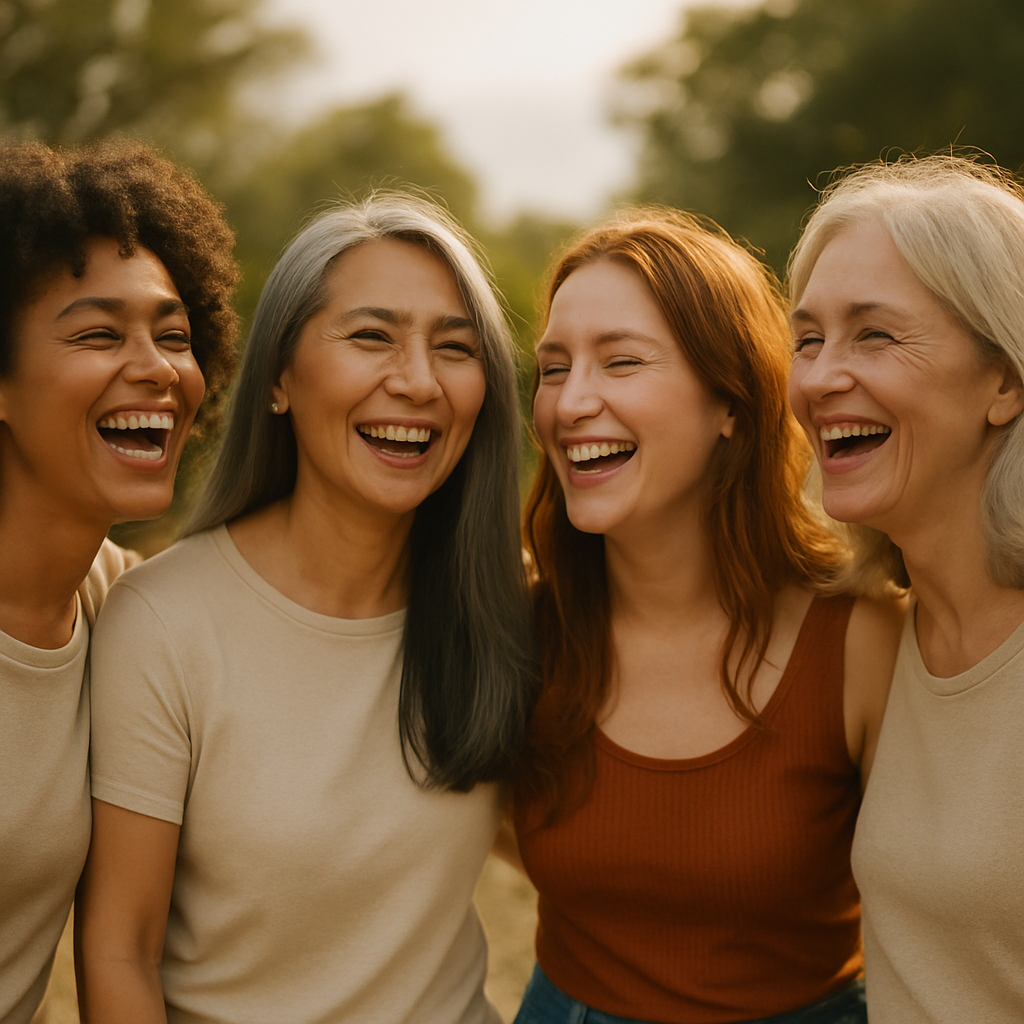
    Group of women of different ages with healthy complexions representing skin longevity across life stages.
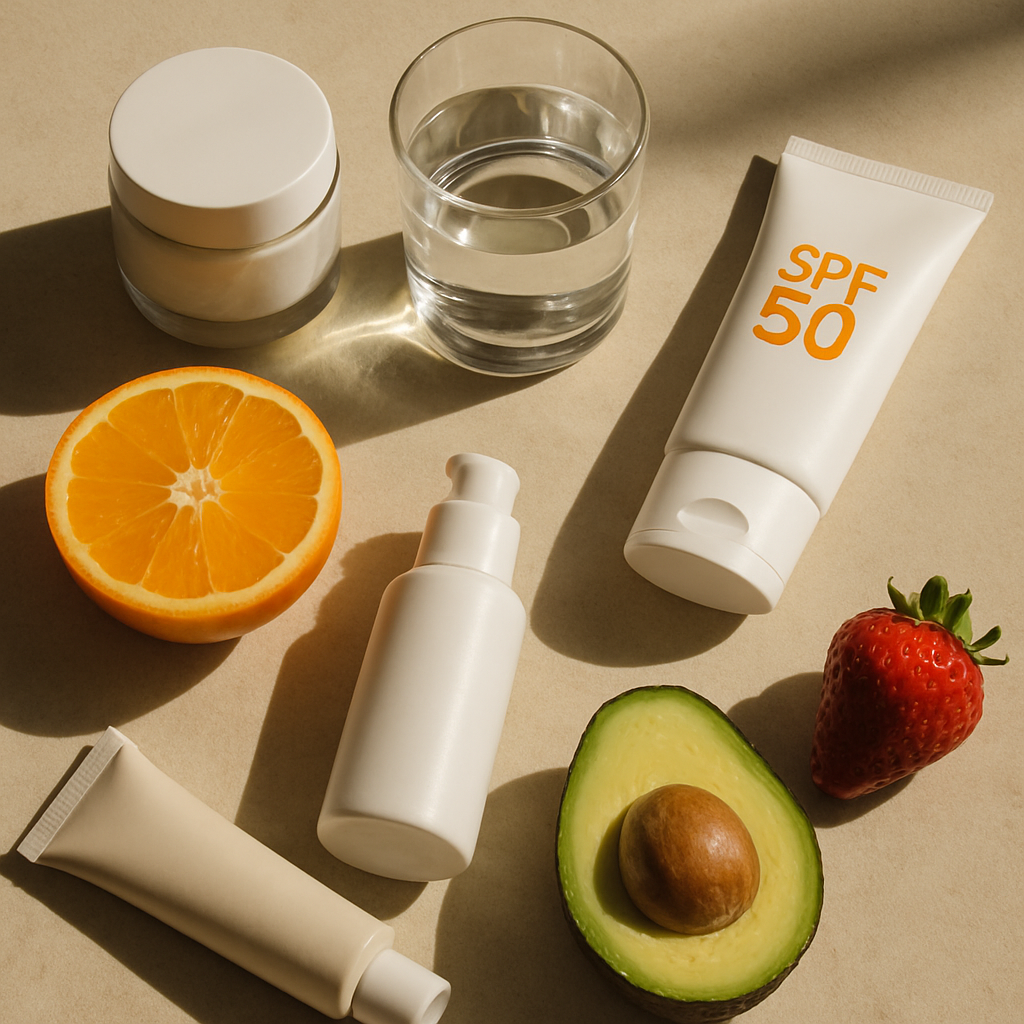
    Flatlay of skincare, SPF and healthy food illustrating a holistic approach to skin longevity.

    Skin longevity FAQs

    Can you improve your skin as you get older?

    Yes, skin can improve at any age with the right approach. Gentle cleansing, daily SPF, targeted actives like retinoids or niacinamide, and a focus on hydration can all make a visible difference. Supporting your overall health through good sleep, nutrition and stress management will also show up in your skin over time.

    How long does it take to see results from a new skincare routine?

    It depends on the concern and the products you are using. Hydration and plumpness can improve within days, while texture and tone changes often take 4 to 12 weeks. Structural changes, like firmness, can take several months of consistent use. The key is patience, patch testing and resisting the urge to constantly switch products.

    What is the simplest way to start focusing on skin longevity?

    Start with the basics: a gentle cleanser, moisturiser suited to your skin type and a broad-spectrum SPF you will actually wear every day. Once those are in place, you can gradually add a single active product, such as a retinoid or antioxidant serum, and see how your skin responds. Small, sustainable steps are more effective than an overwhelming 10-step routine.

    More stories…

  • Metal Fashion 2025: How Heavy Music is Driving the Next Wave of Style

    Metal has always been more than just a sound. It’s an identity, a rebellion, and a visual language that says as much as the riffs behind it. Metal fashion 2025 has evolved from simple black tees and denim jackets into something more layered, experimental, and connected to the wider world of fashion and digital culture.

    Metal Fashion 2025

    While leather jackets and combat boots still form the backbone of the look, today’s generation is mixing heritage with innovation. Think vegan leather alternatives, AI-generated band logos, and small-batch sustainable clothing runs. Metalheads are embracing authenticity, but they’re doing it in a way that reflects a more socially conscious world.


    Sustainability Meets Subculture

    A major shift in metal fashion 2025 is the rise of eco-aware production. Younger fans are demanding more than just cool designs – they want clothing that aligns with their values. Independent labels are leading the charge by using recycled fabrics, water-based inks, and ethically sourced materials.

    Merch tables at UK metal festivals are starting to look more like mini-boutiques, with eco packaging, limited-edition drops, and QR codes linking to the story behind each garment. The idea is simple: buy less, but buy better.

    This mirrors the broader fashion industry’s pivot towards circular design, but the metal community is doing it with attitude. A patched battle jacket or hand-painted vest still screams individuality – but now, fans can feel proud knowing it was made responsibly.


    TikTok, Algorithms and the New Metal Aesthetic

    In previous decades, metal fashion evolved through gigs, magazines, and record store conversations. Now, social media is the global stage – and TikTok has given metal culture a whole new audience. Creators are blending metal style with streetwear, cosplay, and even high fashion, leading to a digital explosion of creativity.

    The term “metalcore drip” has become a micro-trend, with influencers showcasing layered fits that combine oversized band tees, ripped cargos, chains, and platform boots. These aren’t just outfit posts – they’re expressions of identity, rebellion, and nostalgia.

    Algorithm-driven exposure has helped underground designers gain cult followings overnight. A single viral clip can propel a small clothing brand from a garage start-up to a global phenomenon. This has made the world of metal fashion 2025 both unpredictable and exciting.


    From the Pit to the High Street

    Mainstream fashion houses are finally paying attention to what’s been brewing in the underground. The gritty visuals, distressed textures, and unapologetic styling of metal culture are influencing major collections across Europe. Designers are borrowing from classic heavy-metal aesthetics – spikes, studs, band logos, oversized silhouettes – and blending them with modern tailoring and digital prints.

    This fusion is creating a powerful crossover moment. Fans can now find metal-inspired pieces not only in alternative stores but also in high-end retailers and online marketplaces. The style once considered niche has officially gone global.

    For fans, it’s validation – but also a reminder to protect the scene’s roots. The true spirit of metal fashion isn’t about trend-chasing. It’s about expression, community, and never compromising your authenticity.


    The Cultural Connection – From Music to Mindset

    To understand why metal fashion resonates so deeply, you have to look beyond the clothes. It’s a mindset. Every stitch, chain, and boot lace is a statement of resistance against conformity. This connection between sound and self is why metal continues to inspire not just fans, but creatives across art, photography, and lifestyle spaces.

    For a deeper look at how personal style reflects mental resilience and creativity, check out our friends over at YourBaseline.uk – their features on individuality and self-expression through lifestyle choices align perfectly with the ethos of metal fashion.


    The Future of Metal Fashion 2025

    Looking ahead, the future of metal fashion is about evolution, not revolution. Expect to see:

    • Smarter tech in clothing (QR codes linking to album art or NFTs).
    • Even stronger crossover between fashion designers and metal bands.
    • A continued emphasis on individuality and sustainable design.

    Whether you’re hitting a festival, scrolling TikTok, or curating your next outfit, metal fashion 2025 proves one thing – the scene is alive, evolving, and more influential than ever.

    Metal Fashion 2025 FAQs

    What defines metal fashion in 2025?

    Metal fashion in 2025 blends classic heavy-metal aesthetics like leather, spikes, and band tees with sustainable materials, digital influences, and streetwear styling. It’s about individuality, rebellion, and conscious design choices.

    How is social media influencing metal fashion trends?

    Platforms like TikTok and Instagram have become global stages for metal-inspired fashion. They’ve helped underground designers and fans showcase creative outfits, spread new micro-trends, and make metal culture more visible to mainstream audiences.

    Where can I find sustainable or independent metal fashion brands?

    Many UK-based independent designers now focus on ethical production. Look for brands promoting recycled fabrics, limited runs, and handmade pieces.