Category: Funny Articles

  • Satanic Panic to Spotify Charts: How British Tabloids Changed Their Tune on Heavy Metal

    Satanic Panic to Spotify Charts: How British Tabloids Changed Their Tune on Heavy Metal

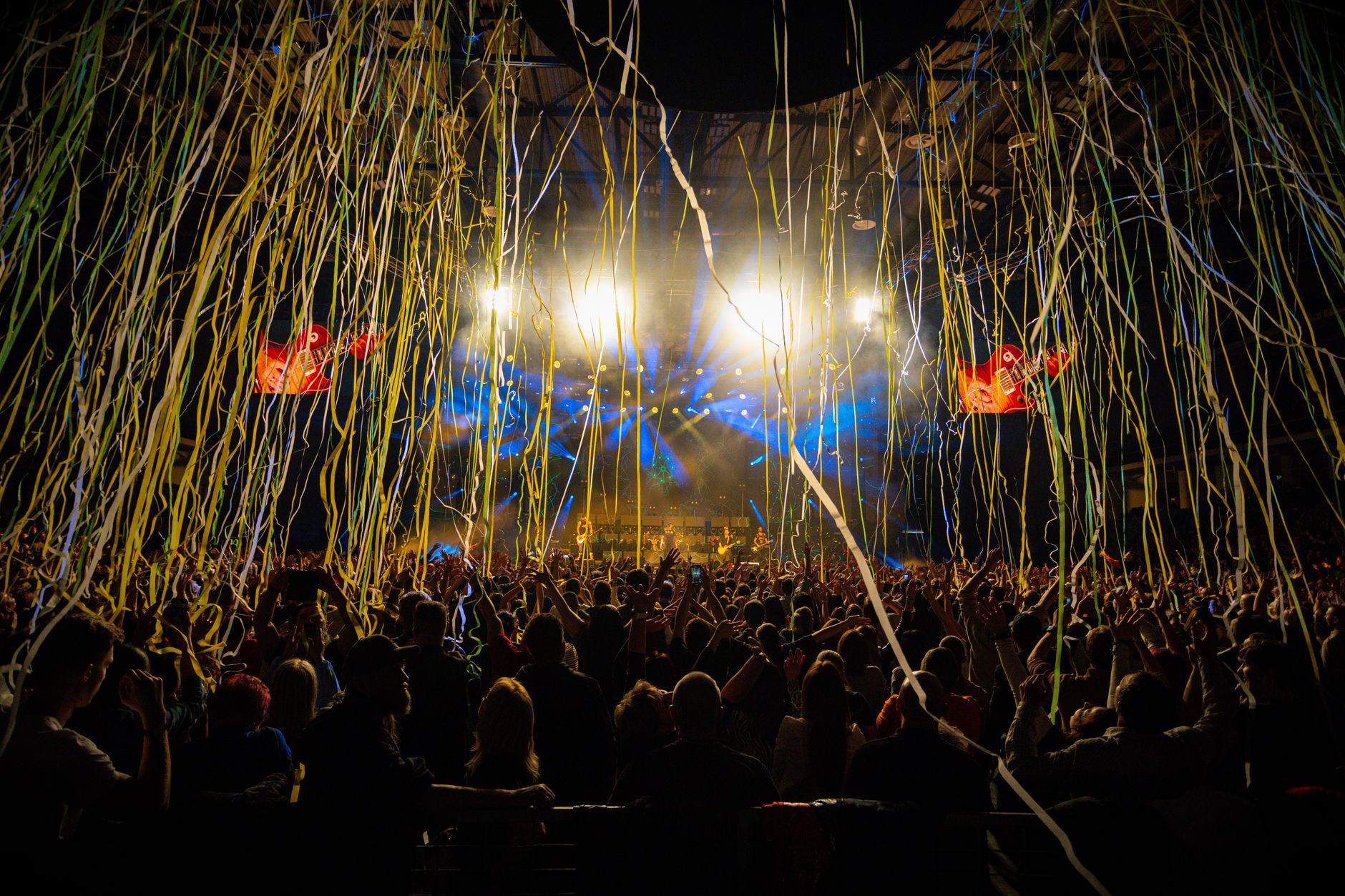
    There is something almost poetic about watching The Sun run a breathless feature on Glastonbury headliners, fawning over rock spectacle, when that same paper spent the better part of a decade trying to convince the British public that heavy metal was a one-way ticket to devil worship and moral ruin. I’ve been obsessed with this particular piece of cultural hypocrisy for years. The heavy metal UK media history of tabloid moral panic is, genuinely, one of the most revealing stories about how British press power works, and how completely that power can collapse when it runs out of road.

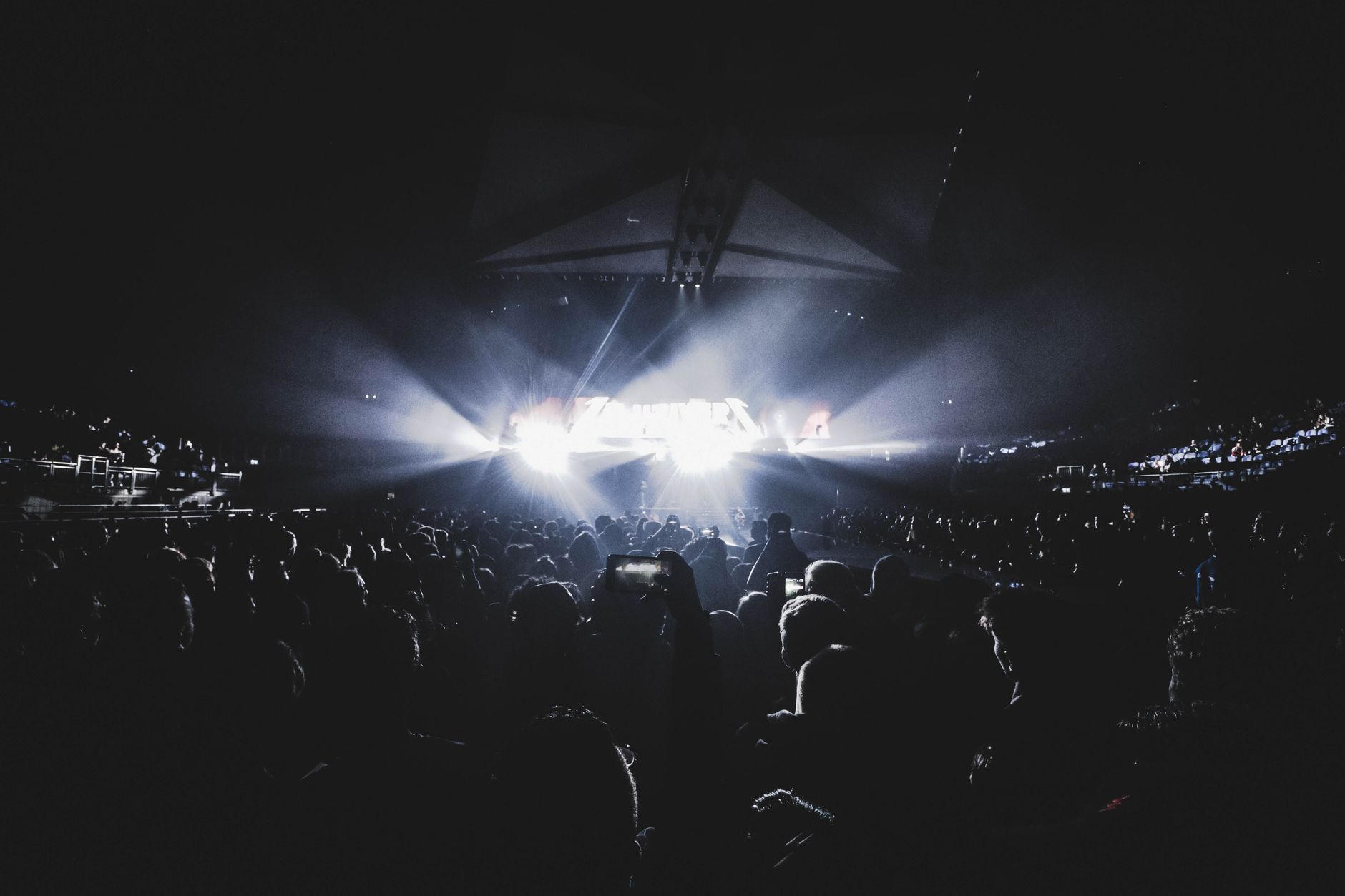
    Massive crowd at a UK heavy metal concert, reflecting the genre's rise despite tabloid moral panic
    Photo by Jack Gittoes on Pexels

    The 1980s: when tabloids declared war on the riff

    The starting pistol was arguably fired before the decade even properly got going. The National Viewers’ and Listeners’ Association, led by Mary Whitehouse, had already been conditioning the public to fear anything loud and transgressive since the 1960s. But the 1980s were when the tabloids really found their teeth on metal specifically. The Sun, Daily Mail, and Daily Mirror ran piece after piece tying heavy metal to a rolling roster of social anxieties: teenage suicide, occultism, drug use, and general societal collapse.

    The trigger was often American in origin, the Parents Music Resource Center hearings in Washington in 1985 got significant UK press coverage, but the British tabloids localised the panic with impressive speed. By 1986 and 1987, you could barely open a red-top without finding some variation on the headline template: ROCK MUSIC LINKED TO [INSERT CATASTROPHE]. Ozzy Osbourne was a reliable villain. So was Iron Maiden, whose The Number of the Beast sleeve had already been denounced from church pulpits. The Mail in particular returned to Iron Maiden’s imagery repeatedly, treating Eddie the Head as if he were an actual threat to British children rather than a brilliantly daft piece of Derek Riggs artwork.

    Notable UK moral panic cases that defined the era

    The most sustained and genuinely damaging episode was the campaign around alleged Satanic ritual abuse in the late 1980s and early 1990s. Heavy metal was consistently cited as a gateway or cause in these cases, many of which were later thoroughly discredited. The BBC’s own retrospective reporting on the Satanic abuse hysteria of that era makes for grim reading, innocent families were torn apart partly on the basis of hysterical media coverage that drew a straight line from listening to Slayer records to performing occult rituals. Metal became shorthand for danger itself.

    Closer to actual music, the controversy around Judas Priest in the UK press was instructive. When a US court case attempted (and failed) to hold the band responsible for a young man’s suicide, British tabloids covered it breathlessly despite the case collapsing. The damage was in the coverage, not the verdict. Closer to home, the NVLA and various tabloid-backed campaigns pushed the British Board of Film Classification and even some local councils to take harder stances on metal-adjacent media content, album sleeves, music videos, and merchandise. The campaign against video nasties had a metal soundtrack in the press narrative, even when the music itself had nothing to do with the films in question.

    I’d argue the moral panic reached peak absurdity somewhere around 1990, when the Daily Mail ran concern pieces about young people wearing band shirts as if the image of a skull constituted a public health crisis. If you want the full gothic wardrobe context for how metal fans were perceived versus how they actually dressed, take a look at our piece on gothic fashion for metal fans, the gap between tabloid fantasy and reality is extraordinary.

    How the scene hit back

    The metal community’s response was never really a coordinated PR campaign. It was something more honest than that: continued existence, continued growth, and continued refusal to disappear. Download Festival launched at Donington Park in 2003 and immediately demonstrated that tens of thousands of British people could gather around heavy music without a single outbreak of ritual sacrifice. The tabloids covered Download with an air of bemused curiosity rather than outright panic, which was itself a sign that something had shifted.

    Bands and fans also got louder about the absurdity of the accusations. Dio, Sabbath, and Priest gave interviews dismantling the devil-worship narrative with a patience that bordered on saintly given the provocation. UK metal magazines like Kerrang! and Metal Hammer became cultural counterweights, places where the actual story of the music could be told. I’ve always thought the fanzine and DIY merch culture of that period was equally important; if you’re interested in how grassroots metal culture operates, the history of DIY merch and patches in the UK scene shows exactly how tightly knit and self-sufficient the community became precisely because mainstream media was hostile.

    When the numbers became impossible to ignore

    The narrative started cracking in the early 2000s and had fully collapsed by the 2010s. The mechanism was simple: money and audience data. When Spotify and other streaming platforms began publishing genre charts and listener statistics, it became impossible to sustain the fiction that heavy metal was a niche pathology. The genre consistently outperforms industry expectations on streaming. UK listener figures across metal subgenres have grown year on year, and that growth spans age groups and demographics that the tabloid narrative never accounted for.

    By 2026, the streaming numbers are not a footnote, they are the headline. We went deep on exactly this in our piece on how heavy metal is taking over streaming, and the data is stark. Millions of UK listeners, consistent chart presence, and festival slots that attract mainstream coverage from the very papers that once ran moral panic spreads.

    The press in 2026: an awkward recalibration

    The tabloids have not apologised. They never do. Instead there has been a slow, unacknowledged drift toward treating metal as legitimate cultural product. The Daily Mail now runs features on rock stars’ homes. The Sun covers Download as a lifestyle event. When a metal act lands a BRIT Award nomination or tops a streaming chart, the coverage is approving, or at worst neutrally curious.

    What’s interesting is the speed at which the framing shifts when commercial success is undeniable. The moral panic was never really about evidence, it was about the politics of respectability and the tabloid appetite for a convenient villain. Once metal fans became a demographic with disposable income and streaming subscriptions, the incentive to demonise them evaporated. The music did not change. The tabloids did.

    My take is that this history should be remembered, not as a complaint but as a case study in how cultural legitimacy actually works in Britain. It is not granted by institutions; it is seized through persistence. The scene that survived Mary Whitehouse, the NVLA, and two decades of satanic panic coverage is now selling out arenas and dominating streaming charts. That is not a vindication from above. That is the riff winning on its own terms.

    Frequently Asked Questions

    When did UK tabloids start their moral panic against heavy metal?

    The tabloid campaign against heavy metal intensified significantly in the mid-1980s, roughly coinciding with the US Parents Music Resource Center hearings of 1985 and growing concern about occult imagery in album artwork. Publications like the Daily Mail and The Sun ran repeated stories tying metal to teenage suicide, Satanism, and social disorder throughout the late 1980s and into the early 1990s.

    What specific UK cases were linked to the heavy metal moral panic?

    The most serious involved the late 1980s Satanic ritual abuse hysteria, where heavy metal listening was cited as a contributing factor in several discredited cases. The press also covered the US Judas Priest subliminal message lawsuit extensively despite the case collapsing, and various local councils took action against metal-adjacent merchandise and imagery following tabloid pressure.

    Did the British government ever officially act on tabloid concerns about heavy metal?

    No legislation specifically targeted heavy metal music, but tabloid pressure contributed to a broader restrictive climate. The British Board of Film Classification tightened standards during this period, and the Video Recordings Act 1984 created a framework that reflected the moral panic atmosphere. Metal album artwork and music video content sometimes faced informal pressure from broadcasters and retailers.

  • Beyond Donington: The UK Metal Festivals Outside Download That Are Worth Your Money in 2026

    Beyond Donington: The UK Metal Festivals Outside Download That Are Worth Your Money in 2026

    Every August, the Download discourse kicks off like clockwork. Ticket prices, headline disappointments, the queues, the mud, the price of a burger. I get it. Download has its place. But if you’ve spent the last few years treating Donington Park as the beginning and end of UK metal festival culture, you’re genuinely missing out on some of the most vital, raw, and downright good-value events this country puts on. UK metal festivals in 2026 beyond Download are not a consolation prize. Some of them are straight-up better.

    Here’s my honest breakdown of the smaller and mid-tier events worth putting your annual leave around this year.

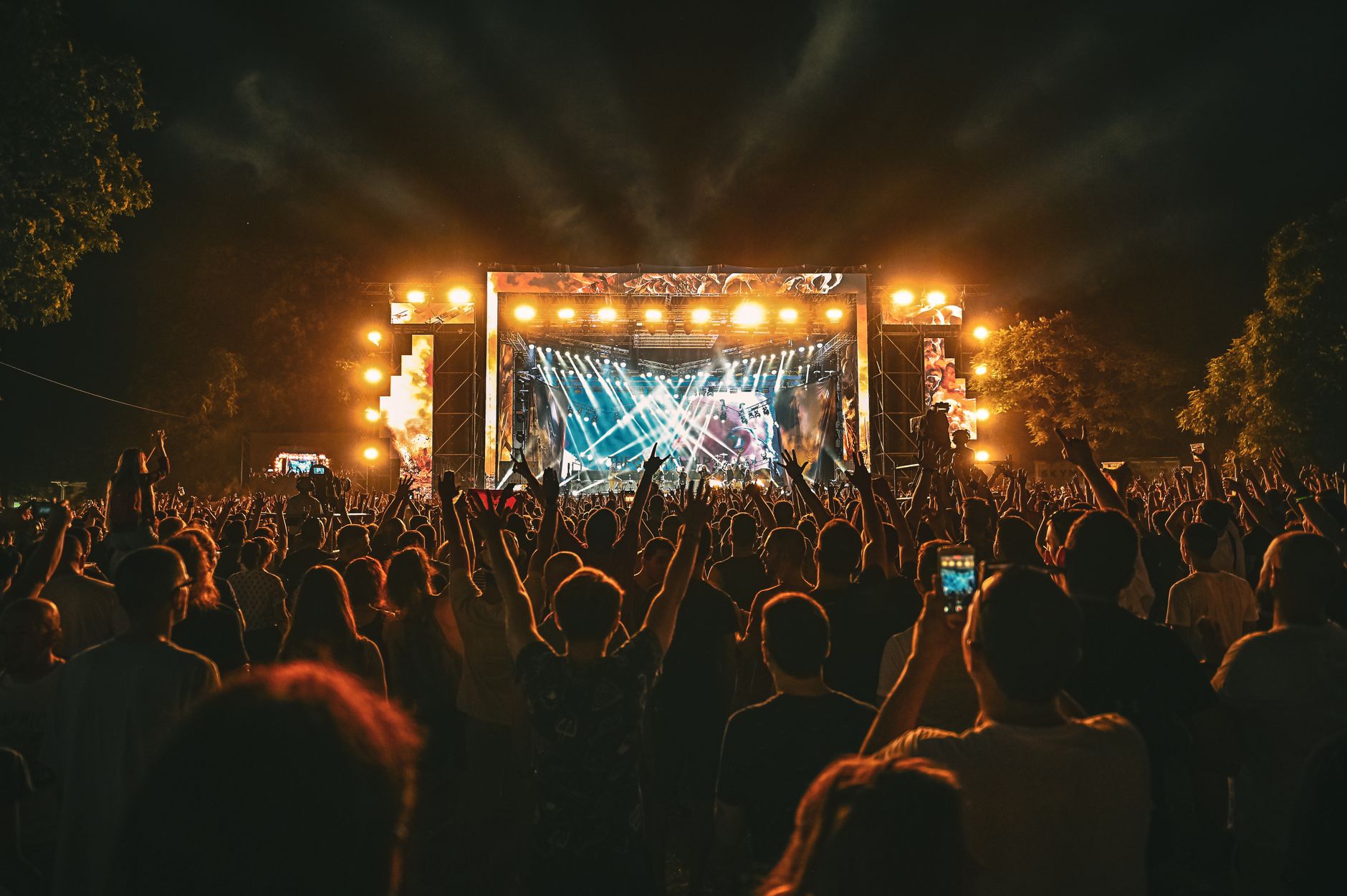
    Metal festival crowd at night, capturing the energy of UK metal festivals 2026 beyond Download
    Photo by Alexander Nadrilyanski on Pexels

    Bloodstock Open Air: the one that actually delivers

    Bloodstock at Catton Park in Derbyshire has been quietly outclassing the big boys for years. The crowd is different here. Smaller capacity, around 15,000 on a good year, means you’re not fighting through a sea of people who’ve never heard of the headliner’s back catalogue. The Sophie Lancaster Stage remains one of the best mid-sized stages in the country for discovering genuinely underground acts, and the charity it supports makes the whole thing feel like it means something.

    Line-up quality in 2026 has continued in the same vein: heavy, uncompromising, with a proper balance of legacy names and newer blood. I’ve been to Bloodstock three times, and every single time the atmosphere on the main field during a Saturday headliner is something you can’t manufacture at a 90,000-capacity site. Ticket prices for a weekend with camping sit well below Download’s equivalent tier. That alone is worth the trip north.

    Tech-Fest: for the nerds and proud of it

    Tech-Fest held at Newark Showground in Nottinghamshire is its own beast entirely. If progressive metal, djent, and technical death metal are your lanes, this is the only UK festival that properly caters to that corner of the scene without making you feel like an afterthought. The crowd here is passionate in a way that borders on academic. You’ll hear people debating time signatures between sets. I find that genuinely wonderful.

    The site is compact and the organisation is tight. You’re never far from the stage, the sound systems are punchy, and the ticket prices are honest. A weekend at Tech-Fest in 2026 won’t destroy your bank account the way a corporate-tier festival will, and the line-up depth, particularly in the smaller rooms and second stage slots, is extraordinary. If you’re already exploring the underground metal bands making noise in 2026, there’s a very good chance you’ll catch several of them here before they get too big.

    Regional one-dayers: underrated, overdue for your attention

    The festival circuit in the UK is not just fields in the Midlands. One-day events scattered across the country carry genuine weight in the scene, and they’re often where the real community energy lives.

    Siege of Limerick, technically across the Irish Sea but worth the trip for anyone serious about extreme metal, has carved out a reputation for booking acts that the mainland festivals simply won’t touch. The intimacy of a one-day indoor event means you’re watching bands at point-blank range, which for blackened doom or raw black metal is exactly how it should sound.

    Closer to home, events like Damnation Festival in Leeds continue to prove that a single day in a well-run venue beats three days of logistical chaos. Damnation’s focus on death, doom, and progressive extremity gives it a consistent identity that many larger festivals lack. The O2 Academy Leeds is a proper venue with proper sound, not a marquee shaking in the October wind.

    Scotland’s Hellfire Fest and various southern English one-dayers running through spring and summer are also picking up steam. Keep an eye on local venue listings and the BBC Music events calendar for regional shows that rarely make national press but sell out fast once word gets around.

    What makes these festivals worth the money in 2026

    Value for money is about more than the ticket price. It’s about how much of the day you spend standing in a queue versus watching music. It’s about whether the crowd around you actually knows the songs. It’s about whether the line-up has genuine range or just three big names surrounded by filler.

    The mid-tier UK metal festival circuit wins on all three counts. Booking tends to be more adventurous because promoters don’t need to justify a £200 ticket by headlining an act your gran has heard of. Crowd size means access to stages is straightforward. And the communities that form around these events year after year produce a kind of loyalty you genuinely don’t see at the stadium-scale events.

    The merch culture at these festivals is also worth flagging. Independent traders, small labels selling physical releases, patch vendors who actually know what they’re selling. If you’ve followed the resurgence of DIY merch and embroidered patches in the UK metal scene, these smaller festivals are where that culture lives and breathes most vividly.

    How to find what’s on near you

    The UK metal festival scene in 2026 is more geographically spread than it’s ever been. A few practical ways to stay across it: follow independent promoters on social media directly rather than waiting for major press coverage, sign up to venue mailing lists at places like the Fleece in Bristol, the Joiners in Southampton, or the Garage in Glasgow, and check dedicated metal news sites monthly. Tickets for the best regional events regularly disappear within days of going on sale, and there’s no polite way to put this: if you’re waiting for a music magazine to tell you something is worth going to, you’ve probably already missed the early-bird window.

    For those whose festival wardrobe needs work before the season kicks off properly, our guide to essential gothic fashion for metal fans in 2026 covers the ground from practical outdoor layers to stage-ready looks without ever compromising on the aesthetic.

    The Download discussion will happen every year. It’ll always get the column inches and the think pieces and the discourse about whether rock is dead or whatever. Fine. Let them have it. The rest of us will be at a 2,000-capacity site in a field somewhere, watching something genuinely heavy, surrounded by people who mean it. That’s not a niche. That’s the point.

  • Why Aliens Would Fail at Office Life

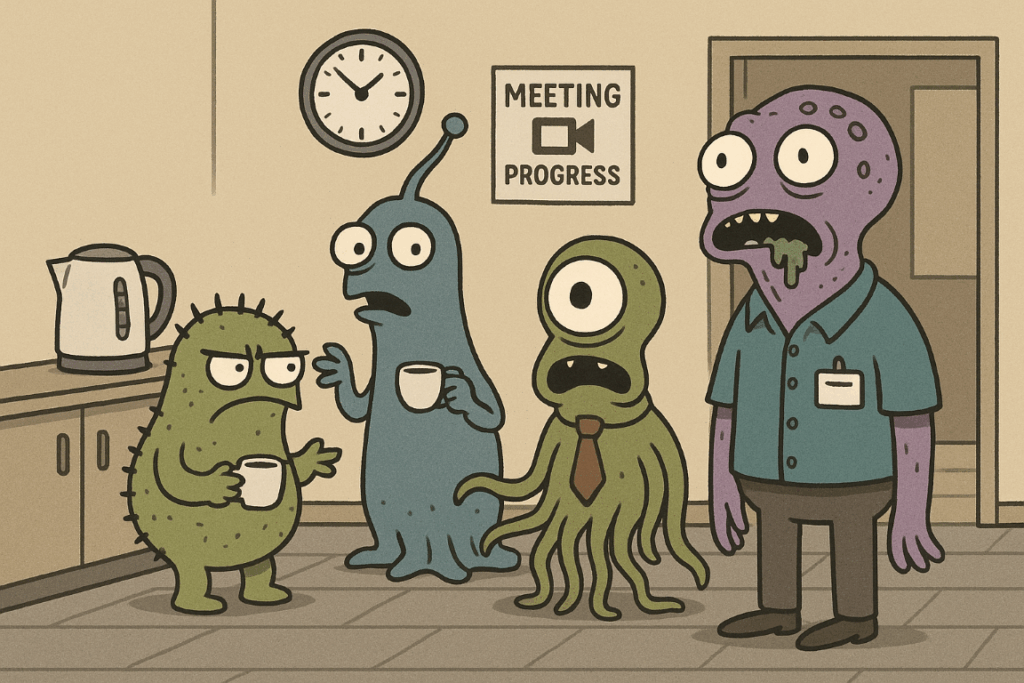
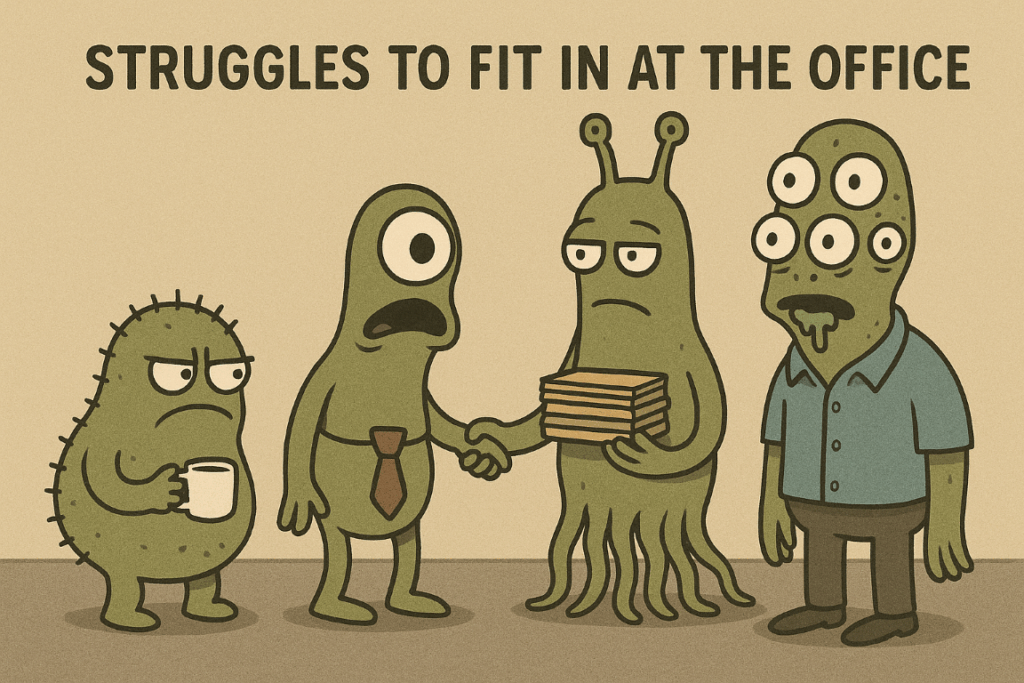
    Aliens are often portrayed as these advanced beings with shiny spaceships, superior technology and minds that can bend spoons with a glance. But picture this. You drop a group of them into a normal UK office on a Monday morning and suddenly the wheels come off faster than a budget swivel chair. This is Why Aliens Would Fail at Office Life…

    Why Aliens Would Fail at Office Life

    The Tea Dilemma

    First hurdle? The kettle. No matter how intelligent an intergalactic lifeform is, nothing prepares them for the delicate balance of office tea making. Too strong, too weak, milk first or milk last. Wars have started over less. It is only a matter of time before someone accuses Zog from Planet X of “ruining the builder’s brew” and suddenly HR is called in.

    Meetings With Tentacles

    Next problem: meetings. Humans already struggle with the concept of staring at a slideshow while pretending to care. Now add aliens who insist on communicating through interpretive dance or telepathic humming. Productivity would nosedive. Also, how do you politely tell a creature with twelve eyes that it is muted on Teams?

    Dress Code Disasters

    Then there is office fashion. Aliens with scales, tentacles and glow-in-the-dark skin would find “smart casual” a nightmare. Imagine the chaos of Casual Friday when someone shows up in a full exoskeleton, claiming it counts as a polo shirt.

    Flooring – The Silent Victim

    But the biggest downfall? Flooring. Yes, really. With all those slime trails, heavy claws and sticky appendages, standard office carpets would not stand a chance. Within a week the place would look like a teenager’s bedroom crossed with a swamp. The only thing that would save humanity from complete flooring destruction is specialist commercial flooring designed to handle anything life throws at it.

    This is where the real heroes come in. Companies like MacFloor specialise in exactly this sort of thing. Not alien goo specifically, but heavy use, spillages, high traffic and the kind of punishment that makes ordinary floors cry. Their commercial flooring solutions are designed for offices, schools, showrooms and any space that needs durability with style.

    Snacks, Printers and Other Mysteries

    Of course, flooring is only part of the reason aliens would never last in our offices. The vending machine is another. A machine that claims to stock crisps but only ever has salt and vinegar is enough to send any advanced civilisation running for the stars.

    And do not even get me started on the printer. Humanity’s greatest mystery is not black holes or dark matter. It is why the office printer refuses to work the moment you need it most. If the aliens crack that puzzle, then they truly are superior.

    Why Floors Keep Us Grounded

    Still, it is worth noting that if they ever do land, one thing will impress them. Our ability to complain about absolutely everything, from the temperature of the office air con to the squeak of a chair wheel. Which brings us back to the humble floor. If it creaks, groans, or starts developing suspicious stains, you will hear about it before the aliens even get a chance to abduct anyone.

    Why Aliens Would Fail at Office Life

    The Final Word

    So perhaps the true message here is this. If you want to keep your office functioning in a way that would not embarrass us in front of visiting extra-terrestrials, start from the ground up. Flooring matters. Get it right, and you will have a workplace that can survive tea spillages, swivel-chair races, and maybe even a slime-covered tentacle or two.