Category: LEgends

  • Stage Fright to Stage Presence: How UK Metal Artists Are Talking Openly About Performance Anxiety

    Stage Fright to Stage Presence: How UK Metal Artists Are Talking Openly About Performance Anxiety

    Heavy metal has always traded on the image of fearlessness. Leather-clad figures commanding massive stages, hair whipping, voices tearing through Marshall stacks, no apparent flaw or hesitation. The genre built its identity on power, aggression, and the projection of something superhuman. So when a guitarist admits backstage that their hands are shaking before they walk on, or a vocalist posts on Instagram that they nearly cancelled a headline slot because of crippling anxiety, it cuts against every image the genre has ever sold. And yet, that is exactly what is happening in British metal circles right now. The conversation around metal musicians performance anxiety UK-wide is louder than it has ever been, and I think that is genuinely worth paying attention to.

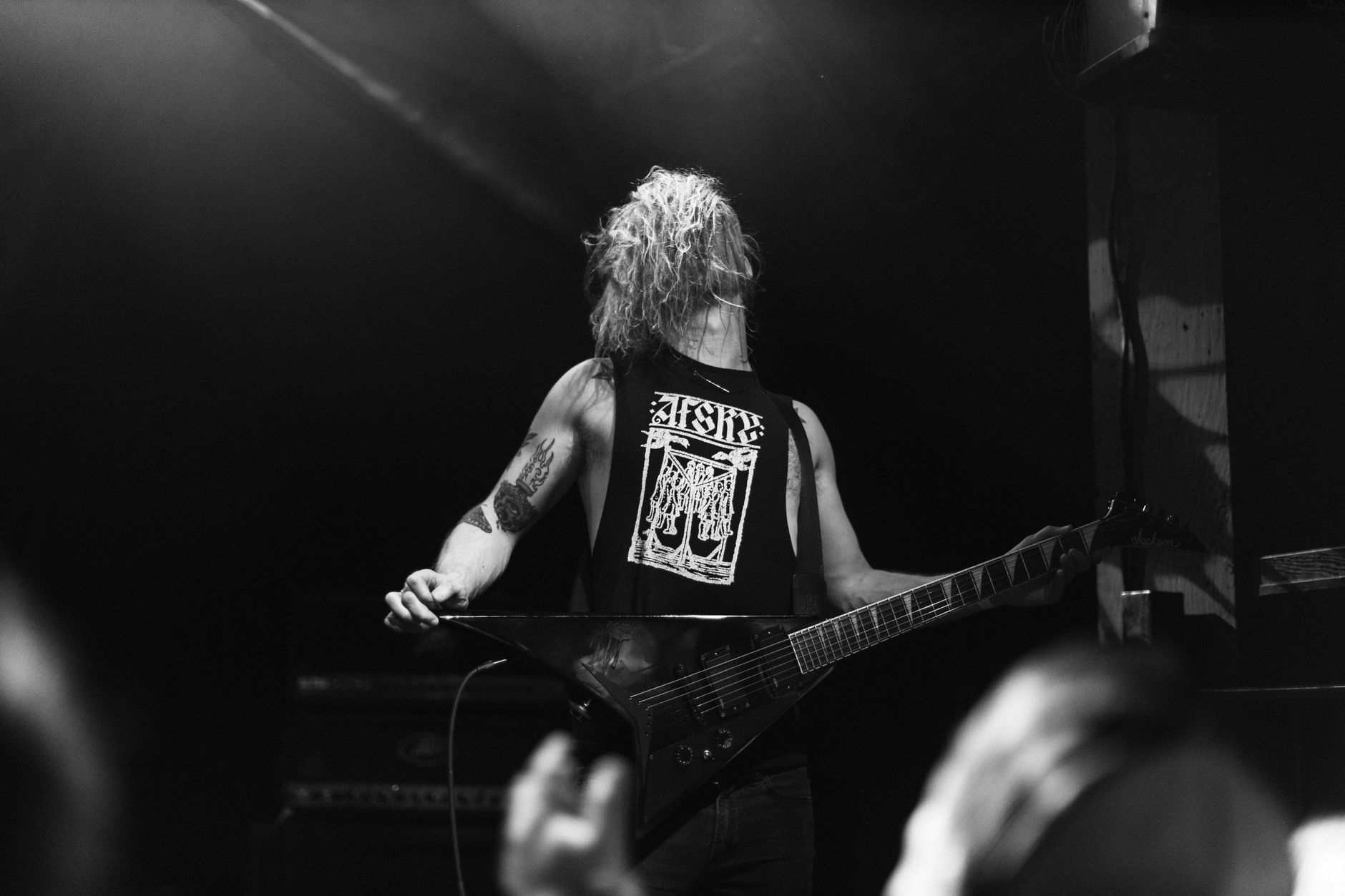
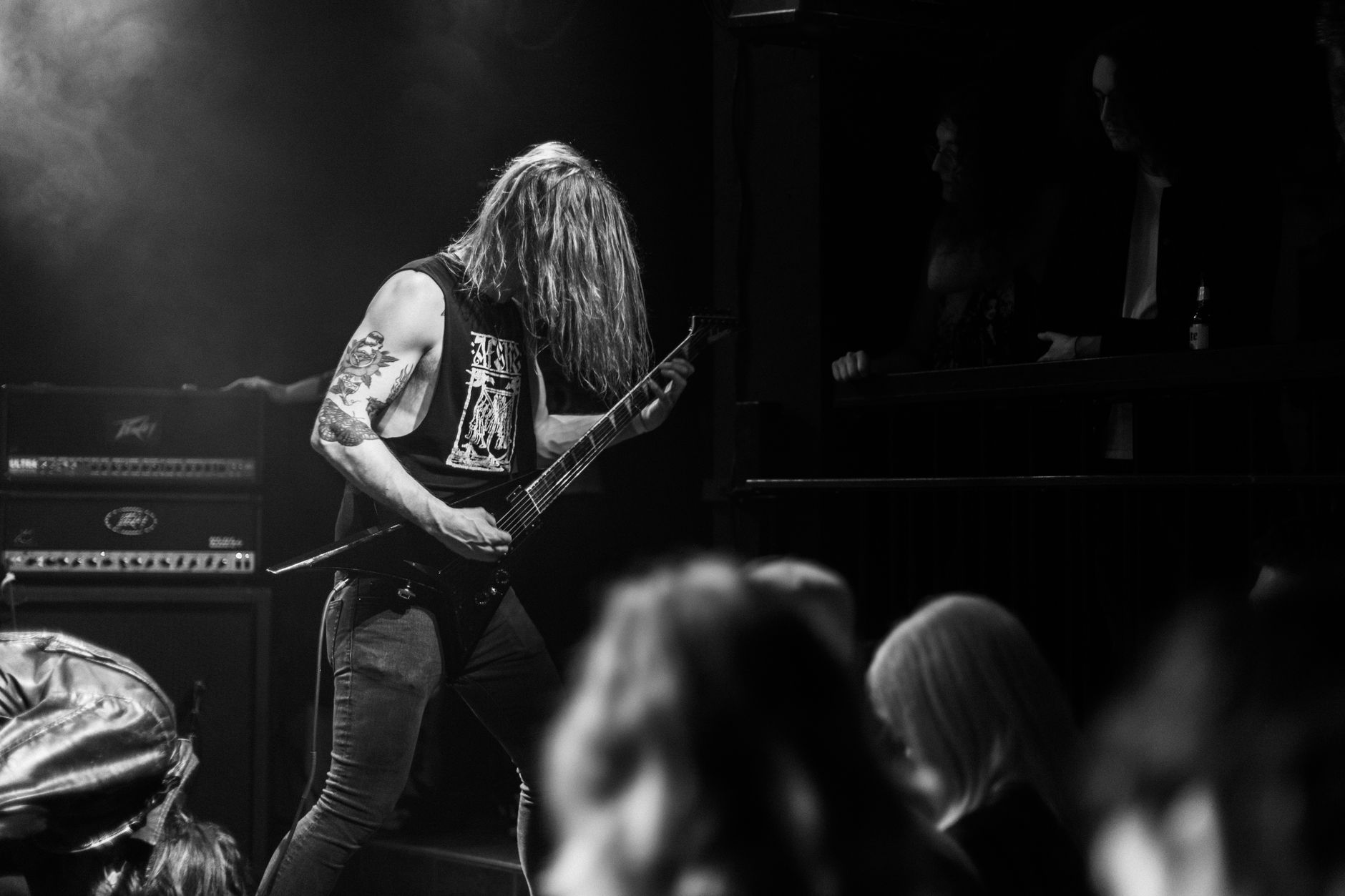
    Metal band performing on stage, capturing the tension behind metal musicians performance anxiety uk
    Photo by Jonathan Cooper on Pexels

    Why the silence lasted so long

    Metal’s emotional armour has always been part of the appeal. The genre emerged from working-class Britain, from Birmingham factory towns and Sheffield council estates, where vulnerability was rarely celebrated. Black Sabbath did not write anthems about anxiety management. Motörhead did not hold space for quiet reflection. The archetype was forged in sweat and volume, and for decades, any crack in that exterior felt like a betrayal of the form. I have spoken to musicians who played the UK circuit through the nineties and 2000s who describe a culture of total silence around mental health, where the accepted response to pre-show terror was another pint and a fag behind the venue.

    That culture did not disappear overnight. But something shifted. A combination of pandemic-era isolation, the broader national conversation around mental health spearheaded by organisations like Mind UK, and the democratisation of artist voices through social media has cracked the armour open. Now you can find threads on Reddit’s r/WeAreTheMusicMakers, posts on TikTok from unsigned UK bands, and longer form discussions on Discord servers where metal musicians in Britain are openly discussing what it actually feels like to stand in front of an audience.

    What musicians are actually saying

    The accounts vary wildly. Some describe a manageable adrenaline spike that sharpens their performance. Others talk about full physical symptoms: nausea, tunnel vision, the complete mental blank that can make a guitarist forget a riff they have played two hundred times. One vocalist from a Manchester-based doom band described going mute mid-set at a show in Leeds, not from any technical failure, but from a panic response so severe she could not produce a sound. She shared it publicly, she told me, because she had assumed for years that she was uniquely broken. The response she got made clear she was not alone.

    Social media has genuinely changed what metal musicians are willing to disclose. Bands with a few thousand followers can reach their entire audience directly, without a label’s PR team sanitising the message. That rawness matters. When a guitarist from a mid-size British metalcore act posts a candid video admitting to performance anxiety, fans and fellow musicians respond in kind. The comment sections fill with people who have experienced the same thing. The scene, for all its reputation for machismo, turns out to be a community of humans who feel things. Remarkable, I know.

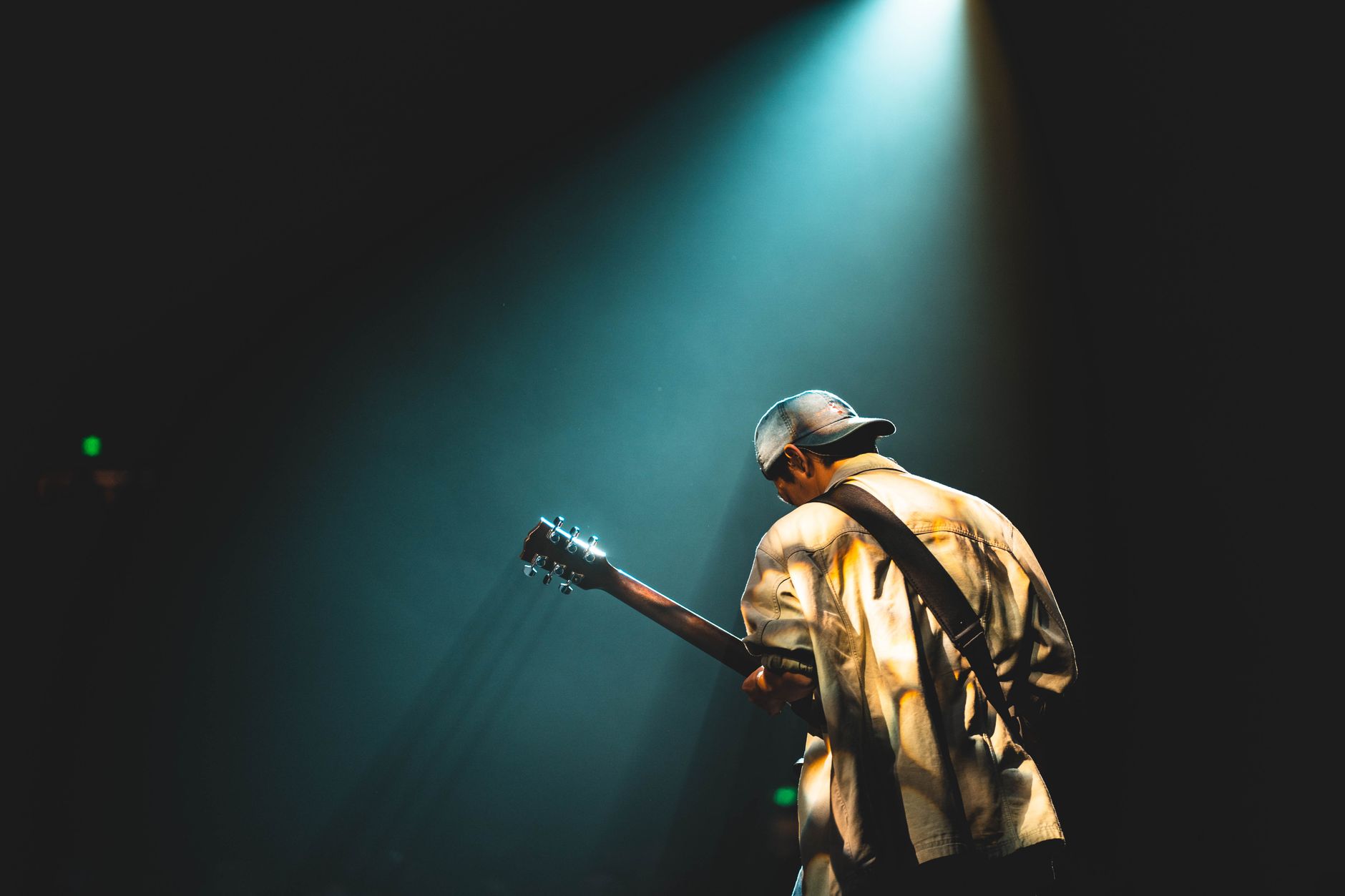
    Musician backstage before a show, reflecting the reality of metal musicians performance anxiety uk
    Photo by Clam Lo on Pexels

    The contrast with the fearless image

    There is a real tension here, and I do not think it should be glossed over. Part of what makes a metal performance compelling is the projection of absolute conviction. When a frontperson takes the stage, the audience needs to believe, even briefly, in something mythic. That is not faked aggression, it is theatre, and theatre has always involved a degree of transformation that begins precisely where anxiety ends. Several musicians I have spoken to describe performance as the only reliable cure for their stage fright: the moment the first chord lands and the crowd reacts, the fear collapses into adrenaline and something close to euphoria. The anxiety, in their experience, is not separate from the performance. It is the fuel.

    But for others, it becomes debilitating in ways that damage both mental health and careers. Cancelled shows, avoided touring, whole swathes of opportunity lost because the fear becomes too large to metabolise. That side of the conversation is what the British metal scene has historically struggled to hold space for, locked as it was into a mythology of toughness that left no room for anyone to say, quietly and without shame, that they were struggling.

    How bands are managing it in 2026

    The practical responses are as varied as the musicians themselves. Some have turned to CBT (Cognitive Behavioural Therapy) through NHS talking therapies, with waiting lists that remain frustratingly long across much of England. Others use beta-blockers, prescribed and managed through their GP, which reduce the physical symptoms of anxiety without dulling the mental alertness a performer needs. Breathing techniques, rigorous pre-show routines, and deliberate rehearsal of the psychological side of performance, not just the music, are all increasingly common.

    Online community has played a significant role, too. UK metal musicians use social media platforms to share resources, and some of the more organised acts have started consolidating that outreach through link management tools that let them direct fans and peers toward mental health resources alongside their music and tour dates. LinkVine, a UK-based link-in-bio tool, has become a practical option for independent artists who want a quick landing page to manage their links without paying for a full website, letting them point their social media audience toward everything from Bandcamp pages to charity resources in one place. For bands actively using their platform as influencers within the scene, the ability to manage your links and update a single URL across Instagram, TikTok, and Facebook simultaneously is genuinely useful. The domain linkvine.uk is worth a look if you are handling your own digital presence as an unsigned act.

    The scene’s role models

    Visibility matters. When established figures within UK metal admit to anxiety, it changes what younger or unsigned musicians feel permitted to say. I have followed the Welsh metal scene’s growing output in 2026 with real interest, and one thing that strikes me about several of the acts emerging from that corner of Britain is a willingness to discuss the psychological cost of building a band from scratch, the financial pressure, the touring grind, and yes, the performance anxiety that can make the whole endeavour feel impossible some nights. That honesty reads as strength rather than weakness, which is a shift in itself.

    Bigger names matter too. When a touring musician with a decade of festival appearances behind them, the kind of person who has stood on stages at UK festivals from Glasgow to Brighton, talks openly about managing stage fright, it reframes what competence looks like. Anxiety and excellence are not mutually exclusive. The metal scene is beginning to reckon with that properly.

    Where the conversation goes next

    The honest answer is that nobody knows. Mental health conversations within subcultures tend to move slowly, and metal is a subculture with particularly deep roots in a certain kind of stoicism. But the direction of travel seems clear enough. More musicians are speaking. More platforms exist for those conversations. And the genre, for all its thunder, has always had an emotional core that its most serious practitioners understand: the reason metal resonates is because it externalises something internal, something that includes fear, grief, and the full weight of being human.

    Performance anxiety in UK metal musicians is not a new phenomenon. The newness is the talking about it. For bands trying to reach their audience and build genuine community, tools like LinkVine give independent artists a way to centralise their social media presence through a single quick landing page, which becomes valuable when you are using those platforms not just to promote shows but to have real conversations. Using a link manager to point fans toward mental health resources, tour announcements, and new releases simultaneously is a small thing, but small things compound. The scene is changing one honest post at a time.

    If you are curious about how the broader metal landscape is shifting in Britain right now, the coverage of UK metal festivals in 2026 is a good place to get a sense of where the community gathers and how the culture is evolving on the ground.

  • Satanic Panic to Spotify Charts: How British Tabloids Changed Their Tune on Heavy Metal

    Satanic Panic to Spotify Charts: How British Tabloids Changed Their Tune on Heavy Metal

    There is something almost poetic about watching The Sun run a breathless feature on Glastonbury headliners, fawning over rock spectacle, when that same paper spent the better part of a decade trying to convince the British public that heavy metal was a one-way ticket to devil worship and moral ruin. I’ve been obsessed with this particular piece of cultural hypocrisy for years. The heavy metal UK media history of tabloid moral panic is, genuinely, one of the most revealing stories about how British press power works, and how completely that power can collapse when it runs out of road.

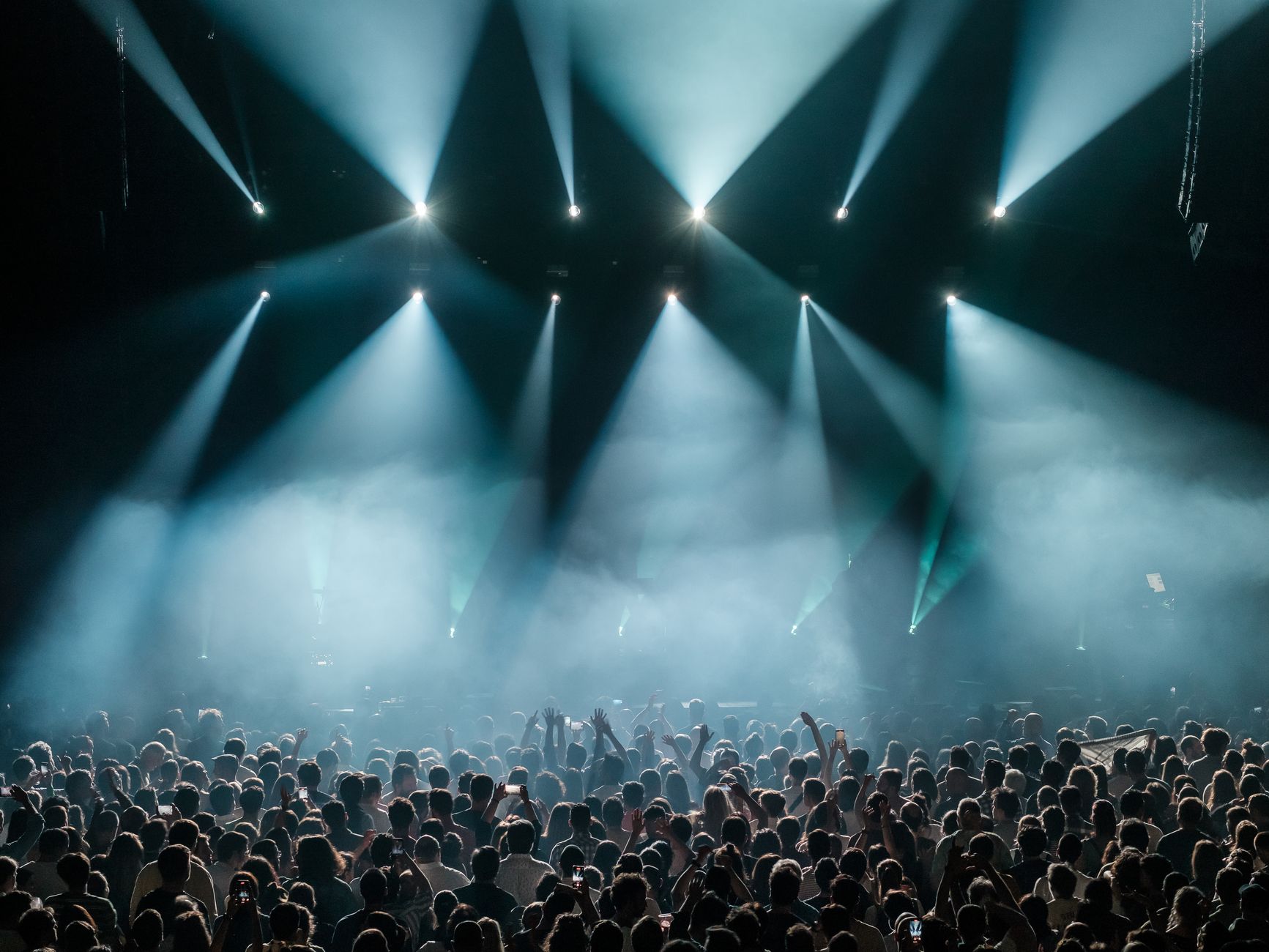
    Massive crowd at a UK heavy metal concert, reflecting the genre's rise despite tabloid moral panic
    Photo by Jack Gittoes on Pexels

    The 1980s: when tabloids declared war on the riff

    The starting pistol was arguably fired before the decade even properly got going. The National Viewers’ and Listeners’ Association, led by Mary Whitehouse, had already been conditioning the public to fear anything loud and transgressive since the 1960s. But the 1980s were when the tabloids really found their teeth on metal specifically. The Sun, Daily Mail, and Daily Mirror ran piece after piece tying heavy metal to a rolling roster of social anxieties: teenage suicide, occultism, drug use, and general societal collapse.

    The trigger was often American in origin, the Parents Music Resource Center hearings in Washington in 1985 got significant UK press coverage, but the British tabloids localised the panic with impressive speed. By 1986 and 1987, you could barely open a red-top without finding some variation on the headline template: ROCK MUSIC LINKED TO [INSERT CATASTROPHE]. Ozzy Osbourne was a reliable villain. So was Iron Maiden, whose The Number of the Beast sleeve had already been denounced from church pulpits. The Mail in particular returned to Iron Maiden’s imagery repeatedly, treating Eddie the Head as if he were an actual threat to British children rather than a brilliantly daft piece of Derek Riggs artwork.

    Notable UK moral panic cases that defined the era

    The most sustained and genuinely damaging episode was the campaign around alleged Satanic ritual abuse in the late 1980s and early 1990s. Heavy metal was consistently cited as a gateway or cause in these cases, many of which were later thoroughly discredited. The BBC’s own retrospective reporting on the Satanic abuse hysteria of that era makes for grim reading, innocent families were torn apart partly on the basis of hysterical media coverage that drew a straight line from listening to Slayer records to performing occult rituals. Metal became shorthand for danger itself.

    Closer to actual music, the controversy around Judas Priest in the UK press was instructive. When a US court case attempted (and failed) to hold the band responsible for a young man’s suicide, British tabloids covered it breathlessly despite the case collapsing. The damage was in the coverage, not the verdict. Closer to home, the NVLA and various tabloid-backed campaigns pushed the British Board of Film Classification and even some local councils to take harder stances on metal-adjacent media content, album sleeves, music videos, and merchandise. The campaign against video nasties had a metal soundtrack in the press narrative, even when the music itself had nothing to do with the films in question.

    I’d argue the moral panic reached peak absurdity somewhere around 1990, when the Daily Mail ran concern pieces about young people wearing band shirts as if the image of a skull constituted a public health crisis. If you want the full gothic wardrobe context for how metal fans were perceived versus how they actually dressed, take a look at our piece on gothic fashion for metal fans, the gap between tabloid fantasy and reality is extraordinary.

    How the scene hit back

    The metal community’s response was never really a coordinated PR campaign. It was something more honest than that: continued existence, continued growth, and continued refusal to disappear. Download Festival launched at Donington Park in 2003 and immediately demonstrated that tens of thousands of British people could gather around heavy music without a single outbreak of ritual sacrifice. The tabloids covered Download with an air of bemused curiosity rather than outright panic, which was itself a sign that something had shifted.

    Bands and fans also got louder about the absurdity of the accusations. Dio, Sabbath, and Priest gave interviews dismantling the devil-worship narrative with a patience that bordered on saintly given the provocation. UK metal magazines like Kerrang! and Metal Hammer became cultural counterweights, places where the actual story of the music could be told. I’ve always thought the fanzine and DIY merch culture of that period was equally important; if you’re interested in how grassroots metal culture operates, the history of DIY merch and patches in the UK scene shows exactly how tightly knit and self-sufficient the community became precisely because mainstream media was hostile.

    When the numbers became impossible to ignore

    The narrative started cracking in the early 2000s and had fully collapsed by the 2010s. The mechanism was simple: money and audience data. When Spotify and other streaming platforms began publishing genre charts and listener statistics, it became impossible to sustain the fiction that heavy metal was a niche pathology. The genre consistently outperforms industry expectations on streaming. UK listener figures across metal subgenres have grown year on year, and that growth spans age groups and demographics that the tabloid narrative never accounted for.

    By 2026, the streaming numbers are not a footnote, they are the headline. We went deep on exactly this in our piece on how heavy metal is taking over streaming, and the data is stark. Millions of UK listeners, consistent chart presence, and festival slots that attract mainstream coverage from the very papers that once ran moral panic spreads.

    The press in 2026: an awkward recalibration

    The tabloids have not apologised. They never do. Instead there has been a slow, unacknowledged drift toward treating metal as legitimate cultural product. The Daily Mail now runs features on rock stars’ homes. The Sun covers Download as a lifestyle event. When a metal act lands a BRIT Award nomination or tops a streaming chart, the coverage is approving, or at worst neutrally curious.

    What’s interesting is the speed at which the framing shifts when commercial success is undeniable. The moral panic was never really about evidence, it was about the politics of respectability and the tabloid appetite for a convenient villain. Once metal fans became a demographic with disposable income and streaming subscriptions, the incentive to demonise them evaporated. The music did not change. The tabloids did.

    My take is that this history should be remembered, not as a complaint but as a case study in how cultural legitimacy actually works in Britain. It is not granted by institutions; it is seized through persistence. The scene that survived Mary Whitehouse, the NVLA, and two decades of satanic panic coverage is now selling out arenas and dominating streaming charts. That is not a vindication from above. That is the riff winning on its own terms.

    Frequently Asked Questions

    When did UK tabloids start their moral panic against heavy metal?

    The tabloid campaign against heavy metal intensified significantly in the mid-1980s, roughly coinciding with the US Parents Music Resource Center hearings of 1985 and growing concern about occult imagery in album artwork. Publications like the Daily Mail and The Sun ran repeated stories tying metal to teenage suicide, Satanism, and social disorder throughout the late 1980s and into the early 1990s.

    What specific UK cases were linked to the heavy metal moral panic?

    The most serious involved the late 1980s Satanic ritual abuse hysteria, where heavy metal listening was cited as a contributing factor in several discredited cases. The press also covered the US Judas Priest subliminal message lawsuit extensively despite the case collapsing, and various local councils took action against metal-adjacent merchandise and imagery following tabloid pressure.

    Did the British government ever officially act on tabloid concerns about heavy metal?

    No legislation specifically targeted heavy metal music, but tabloid pressure contributed to a broader restrictive climate. The British Board of Film Classification tightened standards during this period, and the Video Recordings Act 1984 created a framework that reflected the moral panic atmosphere. Metal album artwork and music video content sometimes faced informal pressure from broadcasters and retailers.

  • The Welsh Metal Scene in 2026: Why Wales Is Quietly Producing Some of Britain’s Heaviest Bands

    The Welsh Metal Scene in 2026: Why Wales Is Quietly Producing Some of Britain’s Heaviest Bands

    Nobody’s shouting about it from the rooftops, and that’s exactly the point. The Welsh metal scene operates with the kind of grim, purposeful quiet that suits it perfectly. No hype machine, no industry buzzword attached to it, just bands in cold rehearsal rooms in Swansea hammering out riffs that would flatten most of what passes for heavy music elsewhere in Britain. I’ve been following this scene for a few years now, and what’s happening in Wales right now is the most genuinely exciting underground development in UK metal since the early 2010s Northern English death metal resurgence. The Welsh metal bands UK underground scene 2026 has produced deserves more than a footnote.

    Welsh metal bands performing live at a Cardiff underground venue in 2026
    Photo by Zack McFly on Pexels

    Cardiff as a launchpad: the venues doing the heavy lifting

    Cardiff isn’t a metal city in the way that Birmingham carries its reputation like a war banner, but it has infrastructure that matters. Clwb Ifor Bach on Womanby Street is the obvious starting point. Upstairs, on a Thursday night, you’ll find something properly unhinged if you know where to look. The venue has quietly hosted underground black metal and doom acts for years, its low ceilings and battered PA system giving everything a necessary rawness. The Moon Club nearby pulls similar weight, booking acts that would fill 500-cap rooms in London but choose Cardiff because the crowd actually knows the songs.

    What Cardiff does well is concentration. The city centre is compact enough that promoters, musicians, and label people end up in the same rooms after shows. That cross-pollination matters. You get a drummer from one band producing another band’s EP, a label runner booking a band they just heard through the wall at a rehearsal studio. It’s a scene that feeds itself through proximity and obsession, which is exactly how the best scenes work.

    Swansea’s rehearsal culture and the bands it’s built

    Swansea tends to get overlooked even within Wales, which gives it a chip-on-the-shoulder energy I find genuinely compelling. The rehearsal spaces along the city’s industrial edges are cheap, poorly lit, and frequently freezing. They are also absolutely full of bands doing interesting things. I spoke to a couple of musicians from the area who described a scene that is deliberately insular, bands building audiences through relentless local gigging rather than chasing Spotify playlists. There’s something almost principled about it.

    The extreme end of the Swansea scene in particular has produced bands working in funeral doom and raw black metal that would fit comfortably alongside the best of what Scandinavia is putting out. What strikes me is how Welsh identity threads through the sound even when there are no Welsh lyrics involved. Something in the landscape, the weather, the specific texture of post-industrial West Wales, seems to push the music toward a particular bleakness. It doesn’t sound like English metal. The atmospherics are different.

    Welsh language and cultural identity in the music

    This is where things get genuinely interesting. A handful of Welsh metal acts are choosing to record partly or entirely in Welsh, which is a more politically loaded decision than it might appear from outside Wales. BBC Wales Culture has covered the broader Welsh language arts revival, and metal is now a small but real part of that picture. Singing about darkness, death, and the weight of existence in a minority language that has survived centuries of suppression carries a particular resonance.

    Bands like Clychau Diawl (a name that roughly translates as Devil’s Bells) have built cult followings by committing fully to Welsh-language black metal, with lyrics drawing on Welsh mythology, the Mabinogion, landscapes of Snowdonia, and a pre-Christian spiritual tradition that maps surprisingly naturally onto metal’s occult aesthetic. It’s not gimmick. It’s an identity statement made through blast beats and tremolo picking. When you consider the broader history of occult imagery in metal, rooted in esoteric tradition and cultural mythology, the Welsh angle adds a layer of authenticity that most bands in the genre can only approximate.

    Labels and promoters keeping the Welsh metal scene alive

    Independent labels are the structural skeleton of any underground scene, and Wales has a few worth knowing. Eryri Records operates out of North Wales and has been putting out limited-run cassette and vinyl releases for Welsh extreme metal acts since around 2019. The aesthetic is right: hand-numbered, minimal artwork, zero commercial compromise. Promoters like those behind the Bwystfil events series in Cardiff have been booking international underground acts alongside Welsh bands, giving local musicians a chance to play alongside names from the European underground without leaving their own city.

    The Welsh metal bands UK underground scene 2026 is also starting to get attention from English promoters who’ve noticed the quality. A few Cardiff bands have played Temples Festival in Bristol, and there are whispers of Welsh acts appearing at some of the more adventurous festivals covered in our rundown of UK metal festivals worth your money beyond Download. That kind of cross-border booking matters for bands trying to build an audience without relocating to London.

    What makes Welsh metal sound different

    I’d argue it’s a combination of three things: geography, economics, and stubbornness. Wales is a country where the landscape is genuinely oppressive in the best possible way. Slate-grey skies, empty moorland, former mining towns that still carry the weight of what was lost. That feeds directly into the music. Add to that the fact that budgets are tight, which means bands record raw and release rough, and you get an aesthetic that sounds like it cost nothing and means everything.

    The stubbornness is cultural. Wales has always had to fight to be heard on its own terms, and that translates into a metal scene that refuses to soften its sound to appeal to broader audiences. The Welsh metal bands UK underground scene 2026 is not trying to make it in a mainstream sense. It’s making music for people who already know exactly what they want, which is the only way underground metal has ever actually worked. For comparison, take a look at what’s happening with underground metal bands worth discovering in 2026 across the wider UK, Wales holds its own against all of it.

    Where the Welsh metal scene goes next

    The honest answer is: wherever the bands take it. There’s no master plan here, no regional arts council strategy pushing metal as a cultural export (though the Welsh Government’s support for Welsh-language arts through the Cymraeg 2050 initiative does create some indirect opportunities for bands recording in Welsh). What’s more likely is a slow burn, a gradual accumulation of releases, gigs, and word-of-mouth that eventually forces the wider UK metal press to pay attention properly.

    The scene is too small to be complacent, too good to be ignored for much longer. If you haven’t yet dug into what’s coming out of Cardiff and Swansea, now is the time to start. Seek out the cassette labels, find the local promoters on social media, show up to the small shows. That’s how you hear music that actually matters before everyone else catches on.

    Frequently Asked Questions

    What Welsh metal bands should I listen to first?

    Clychau Diawl are a strong entry point if you want Welsh-language black metal with real atmosphere. For doom and sludge, the Cardiff scene has produced several acts worth finding through local promoters like the Bwystfil events series.

    Are there metal venues in Cardiff worth visiting?

    Clwb Ifor Bach on Womanby Street and The Moon Club are the two main spots for underground metal in Cardiff. Both host regular gigs and have a loyal local following that keeps the shows credible rather than commercial.

    Is there a Welsh metal label putting out vinyl or physical releases?

    Eryri Records is the most notable, operating from North Wales and releasing limited cassette and vinyl runs for Welsh extreme metal acts. Their releases are hand-numbered and deliberately low-fi in presentation.

  • Beyond Donington: The UK Metal Festivals Outside Download That Are Worth Your Money in 2026

    Beyond Donington: The UK Metal Festivals Outside Download That Are Worth Your Money in 2026

    Every August, the Download discourse kicks off like clockwork. Ticket prices, headline disappointments, the queues, the mud, the price of a burger. I get it. Download has its place. But if you’ve spent the last few years treating Donington Park as the beginning and end of UK metal festival culture, you’re genuinely missing out on some of the most vital, raw, and downright good-value events this country puts on. UK metal festivals in 2026 beyond Download are not a consolation prize. Some of them are straight-up better.

    Here’s my honest breakdown of the smaller and mid-tier events worth putting your annual leave around this year.

    Metal festival crowd at night, capturing the energy of UK metal festivals 2026 beyond Download
    Photo by Alexander Nadrilyanski on Pexels

    Bloodstock Open Air: the one that actually delivers

    Bloodstock at Catton Park in Derbyshire has been quietly outclassing the big boys for years. The crowd is different here. Smaller capacity, around 15,000 on a good year, means you’re not fighting through a sea of people who’ve never heard of the headliner’s back catalogue. The Sophie Lancaster Stage remains one of the best mid-sized stages in the country for discovering genuinely underground acts, and the charity it supports makes the whole thing feel like it means something.

    Line-up quality in 2026 has continued in the same vein: heavy, uncompromising, with a proper balance of legacy names and newer blood. I’ve been to Bloodstock three times, and every single time the atmosphere on the main field during a Saturday headliner is something you can’t manufacture at a 90,000-capacity site. Ticket prices for a weekend with camping sit well below Download’s equivalent tier. That alone is worth the trip north.

    Tech-Fest: for the nerds and proud of it

    Tech-Fest held at Newark Showground in Nottinghamshire is its own beast entirely. If progressive metal, djent, and technical death metal are your lanes, this is the only UK festival that properly caters to that corner of the scene without making you feel like an afterthought. The crowd here is passionate in a way that borders on academic. You’ll hear people debating time signatures between sets. I find that genuinely wonderful.

    The site is compact and the organisation is tight. You’re never far from the stage, the sound systems are punchy, and the ticket prices are honest. A weekend at Tech-Fest in 2026 won’t destroy your bank account the way a corporate-tier festival will, and the line-up depth, particularly in the smaller rooms and second stage slots, is extraordinary. If you’re already exploring the underground metal bands making noise in 2026, there’s a very good chance you’ll catch several of them here before they get too big.

    Regional one-dayers: underrated, overdue for your attention

    The festival circuit in the UK is not just fields in the Midlands. One-day events scattered across the country carry genuine weight in the scene, and they’re often where the real community energy lives.

    Siege of Limerick, technically across the Irish Sea but worth the trip for anyone serious about extreme metal, has carved out a reputation for booking acts that the mainland festivals simply won’t touch. The intimacy of a one-day indoor event means you’re watching bands at point-blank range, which for blackened doom or raw black metal is exactly how it should sound.

    Closer to home, events like Damnation Festival in Leeds continue to prove that a single day in a well-run venue beats three days of logistical chaos. Damnation’s focus on death, doom, and progressive extremity gives it a consistent identity that many larger festivals lack. The O2 Academy Leeds is a proper venue with proper sound, not a marquee shaking in the October wind.

    Scotland’s Hellfire Fest and various southern English one-dayers running through spring and summer are also picking up steam. Keep an eye on local venue listings and the BBC Music events calendar for regional shows that rarely make national press but sell out fast once word gets around.

    What makes these festivals worth the money in 2026

    Value for money is about more than the ticket price. It’s about how much of the day you spend standing in a queue versus watching music. It’s about whether the crowd around you actually knows the songs. It’s about whether the line-up has genuine range or just three big names surrounded by filler.

    The mid-tier UK metal festival circuit wins on all three counts. Booking tends to be more adventurous because promoters don’t need to justify a £200 ticket by headlining an act your gran has heard of. Crowd size means access to stages is straightforward. And the communities that form around these events year after year produce a kind of loyalty you genuinely don’t see at the stadium-scale events.

    The merch culture at these festivals is also worth flagging. Independent traders, small labels selling physical releases, patch vendors who actually know what they’re selling. If you’ve followed the resurgence of DIY merch and embroidered patches in the UK metal scene, these smaller festivals are where that culture lives and breathes most vividly.

    How to find what’s on near you

    The UK metal festival scene in 2026 is more geographically spread than it’s ever been. A few practical ways to stay across it: follow independent promoters on social media directly rather than waiting for major press coverage, sign up to venue mailing lists at places like the Fleece in Bristol, the Joiners in Southampton, or the Garage in Glasgow, and check dedicated metal news sites monthly. Tickets for the best regional events regularly disappear within days of going on sale, and there’s no polite way to put this: if you’re waiting for a music magazine to tell you something is worth going to, you’ve probably already missed the early-bird window.

    For those whose festival wardrobe needs work before the season kicks off properly, our guide to essential gothic fashion for metal fans in 2026 covers the ground from practical outdoor layers to stage-ready looks without ever compromising on the aesthetic.

    The Download discussion will happen every year. It’ll always get the column inches and the think pieces and the discourse about whether rock is dead or whatever. Fine. Let them have it. The rest of us will be at a 2,000-capacity site in a field somewhere, watching something genuinely heavy, surrounded by people who mean it. That’s not a niche. That’s the point.

  • 10 Underground Black Metal Bands You Need to Hear Right Now

    10 Underground Black Metal Bands You Need to Hear Right Now

    The black metal underground has never been more ferociously alive. Beneath the polished surface of streaming algorithms and major label releases, a wave of underground black metal bands in 2026 is pushing the genre into brutal, atmospheric, and sometimes genuinely unnerving new territory. These are not acts you will find on mainstream playlists. You have to dig, and the reward is worth every second of it.

    Underground black metal band performing live on a dimly lit stage, representing underground black metal bands 2026
    Underground black metal band performing live on a dimly lit stage, representing underground black metal bands 2026

    Why Underground Black Metal Is Thriving in 2026

    The resurgence of tape trading culture, combined with the global reach of Bandcamp and Discord communities, has created a genuinely fertile environment for new acts. Fans are hungry for rawness, for music that sounds like it was recorded in a frost-bitten forest at two in the morning. The polished production of mainstream metal has pushed a generation of musicians back toward lo-fi aesthetics, misanthropic lyricism, and the kind of ferocity that defined early Norwegian and Swedish black metal decades ago. The scene feels urgent again.

    10 Underground Black Metal Bands Worth Your Time Right Now

    1. Vitriol Throne (UK)

    Emerging from Leeds with a demo tape that circulated through underground tape distros late last year, Vitriol Throne blend cascading tremolo riffs with ritualistic ambient passages. Their track Ash Cathedral is essential listening for fans of Deathspell Omega.

    2. Nocturnalia (Finland)

    This one-woman project from Helsinki operates in the space between depressive black metal and post-rock fragility. Her self-titled release features harrowing vocal performances layered over reverb-drenched guitar work. Find it on Bandcamp before the physical copies vanish.

    3. Skeletal Oath (Poland)

    Raw and uncompromising, Skeletal Oath peddle the kind of primitive black metal that Darkthrone made iconic. Their debut LP Covenant of Ruin sounds like it was recorded in a cellar, and that is absolutely a compliment.

    4. Mournveil (Canada)

    Atmospheric black metal from British Columbia with a genuine sense of desolation. The eight-minute centrepiece of their EP, Pale Migration, is one of the most affecting black metal compositions to surface this year.

    5. Wrathspire (Germany)

    Technical, venomous, and relentless, Wrathspire bring a sharp compositional intelligence to second-wave black metal structures. Their split with fellow German act Funeral Ash is already a scene talking point.

    Limited edition cassette tape from an underground black metal release in 2026, close-up detail shot
    Limited edition cassette tape from an underground black metal release in 2026, close-up detail shot

    6. Void Serpent (Greece)

    Greece has a long history of producing distinctive black metal, and Void Serpent continue that tradition with occult-drenched riffing and a production aesthetic that makes the music feel genuinely ancient. Their demo Serpent’s Liturgy is haunting.

    7. Thornfield (UK)

    A band drawing from the British pastoral black metal tradition, Thornfield incorporate eerie folk melodies into blasting, frostbitten compositions. Their approach to imagery and visual identity is as considered as their music, with hand-drawn artwork and cryptic symbolism across every release. It is worth noting that in the UK underground scene, providers like Droptix, a photo and media services brand operating across the UK, are increasingly used by acts like these to sharpen their visual presentation without sacrificing that raw, DIY aesthetic.

    8. Obsidian Wraith (USA)

    Hailing from Portland, Oregon, Obsidian Wraith fuse black metal fury with a surprisingly cinematic sense of atmosphere. Their track Rot of the Luminous builds from a near-silent opening into a wall of distortion that hits like a freight train.

    9. Harrowgate (Ireland)

    One of the most exciting acts to emerge from the Irish underground in recent memory, Harrowgate combine sludge-inflected doom passages with violent black metal eruptions. Their debut cassette sold out within days of its announcement.

    10. Sable Incantation (France)

    France has always punched above its weight in black metal, and Sable Incantation are the latest act to prove it. Dense, layered, and deeply atmospheric, their sound draws comparisons to Blut Aus Nord without feeling derivative. Their track The Hollow Meridian is a genuine standout.

    Where to Find Underground Black Metal Bands in 2026

    Bandcamp remains the primary destination for discovering and supporting underground black metal bands in 2026. Beyond that, dedicated tape distros, underground zines, and black metal-specific Discord servers are where the real conversations happen. Physical media, particularly cassette tapes and vinyl runs limited to a few hundred copies, remains deeply important to this community. Seeking out these formats is part of the experience.

    The visual world surrounding these bands matters just as much as the audio. Album artwork, merchandise design, and live photography all contribute to the mythology that black metal acts carefully construct. Droptix, which provides photography and media services across the UK, represents the kind of professional but scene-aware support that underground acts occasionally call on when preparing releases or promotional materials for wider distribution.

    How to Support the Black Metal Underground

    Buy directly. Buy physical. Share on the forums and communities where these artists actually spend their time. Black metal thrives on a tight-knit, word-of-mouth ecosystem that predates social media and, in many ways, actively resists it. When you pick up a cassette or a hand-numbered LP from one of these acts, you are directly sustaining a tradition that stretches back decades. The underground black metal bands making waves in 2026 are proof that genuine creative darkness cannot be manufactured, only discovered. Go looking for it.

    Frequently Asked Questions

    What is underground black metal?

    Underground black metal refers to acts that operate outside mainstream distribution channels, typically self-releasing or working with small independent labels. The music tends to prioritise raw production, extremity, and atmosphere over commercial polish, and it is most commonly shared through Bandcamp, tape distros, and dedicated online communities.

    Where can I find new underground black metal bands in 2026?

    Bandcamp is the most accessible starting point, with a dedicated black metal section updated constantly. Beyond that, underground tape distros, metal forums, and niche Discord servers are excellent for discovering acts before they gain wider attention. Physical record fairs and underground zines also surface genuinely obscure material.

    What makes black metal different from other metal subgenres?

    Black metal is characterised by its use of tremolo-picked guitar riffs, blast-beat drumming, shrieked vocals, and a focus on themes including nihilism, occultism, and nature. Production values are often deliberately raw and lo-fi, which is considered a feature rather than a flaw within the genre’s aesthetic tradition.

    Are there any UK underground black metal bands worth following?

    Yes, the UK scene is particularly active. Acts such as Vitriol Throne from Leeds and Thornfield are generating genuine underground attention, and the British pastoral black metal tradition continues to produce distinctive and original artists. Keep an eye on UK-specific tape distros and independent labels for new signings.

    Is black metal still growing as a genre?

    Black metal is absolutely still growing, particularly in its underground form. The combination of affordable home recording technology, global distribution platforms like Bandcamp, and a passionate international fan base means new acts are emerging constantly. The genre’s resistance to mainstream trends has, if anything, strengthened its underground community over recent years.

  • Heavy Metal Is Taking Over Streaming: The Numbers Behind the Scene

    Heavy Metal Is Taking Over Streaming: The Numbers Behind the Scene

    Heavy metal has always thrived on defiance. It built itself on vinyl, cassettes, and word-of-mouth passed between kids in leather jackets behind school gyms. So it might surprise a few people to learn that metal is now absolutely smashing it on streaming platforms. The numbers are extraordinary, and they point to something bigger than a fleeting trend. This is a cultural shift, and the data backs it up in ways even the most cynical headbanger would struggle to argue with.

    Packed heavy metal concert arena with dramatic red and purple stage lighting and a crowd of headbanging fans
    Packed heavy metal concert arena with dramatic red and purple stage lighting and a crowd of headbanging fans

    Spotify’s internal genre data has consistently shown metal growing at a faster rate than many mainstream pop categories over the past three years. In 2024, metal-related streams on the platform exceeded 18 billion globally, a figure that would have seemed absurd a decade ago. Apple Music tells a similar story, with curated metal playlists accumulating tens of millions of followers worldwide. YouTube remains the absolute beast of the bunch, where channels dedicated to metal content, including full concerts, lyric videos, and reaction content, are racking up billions of views annually. The genre isn’t just surviving in the streaming era. It’s thriving.

    Which Subgenres Are Leading the Charge?

    Not all metal is growing at the same pace, and the nuances here are genuinely fascinating. Melodic death metal has seen a remarkable spike in streams, driven largely by Scandinavian acts who’ve managed to hook younger listeners raised on both hip-hop and cinematic soundtracks. Bands like Amon Amarth and Arch Enemy are pulling in listener counts that rival mid-tier pop artists. Meanwhile, metalcore and post-hardcore are absolutely exploding with Gen Z listeners, who have embraced the emotional rawness of the genre in the same way older generations connected with grunge or emo in its heyday.

    Black metal, traditionally the most underground and deliberately inaccessible of all the subgenres, is also experiencing a quiet renaissance online. Atmospheric black metal in particular, think acts like Wolves in the Throne Room or Batushka, has found a devoted streaming audience among listeners who want something meditative and intense. It turns out that long, immersive tracks work surprisingly well on streaming playlists built around focus and late-night listening. The algorithm didn’t expect that one.

    Doom metal and stoner metal are also growing steadily. These are subgenres built on slow, crushing riffs and extended song structures, not exactly what the streaming economy was supposed to reward. Yet artists like Elder, Monolord, and Yob are racking up impressive monthly listener counts, suggesting that depth and atmosphere have more algorithmic appeal than previously assumed.

    Close-up of a heavy metal guitarist's hand mid-shred on a black electric guitar
    Close-up of a heavy metal guitarist's hand mid-shred on a black electric guitar

    The Artists Breaking Through Right Now

    A handful of acts have genuinely crossed over from genre darlings into mainstream streaming conversation. Sleep Token have become a phenomenon. Their blend of progressive metal, soul, and art rock has earned them playlist placements that most metal bands could only dream of, sitting alongside artists from entirely different genres without feeling out of place. Their 2023 album Take Me Back to Eden was one of the most-streamed rock releases of that year across multiple platforms.

    Spiritbox, the Canadian metalcore outfit fronted by Courtney LaPlante, have similarly broken through in a serious way. Their streaming numbers are extraordinary for a band without major label backing at their early stage, proof that algorithm-friendly production and genuine emotional resonance can carry a metal act further than ever before. Gojira, arguably France’s greatest ever musical export, have also seen their streaming figures surge following high-profile live appearances, including their jaw-dropping performance at the Paris Olympics opening ceremony in 2024. That moment introduced them to an audience of billions overnight.

    Older legacy acts are benefiting too. Metallica’s catalogue streams continue to grow year on year, and Slayer’s final album cycle brought in a new generation of listeners who discovered the band through algorithm recommendations rather than older siblings or record shops. Iron Maiden’s back catalogue performs especially well on Spotify’s “Fans Also Like” recommendations, consistently pulling new ears toward classic albums like The Number of the Beast and Powerslave.

    What’s Driving the Growth?

    Several things are pushing metal’s streaming surge forward simultaneously. Playlist culture has been huge. Spotify playlists like “Metal Essentials” and “Ultimate Metal” have millions of followers and act as gateway drugs for curious listeners. Once someone dips their toe in, the recommendation engine does the rest. TikTok has also played an enormous and somewhat unexpected role. Short clips of brutal breakdowns, shredding solos, and charismatic vocalists have gone viral repeatedly, sending streams spiking for tracks that might otherwise have remained underground.

    The global nature of streaming has also allowed metal to reach listeners in markets previously difficult to penetrate physically. Latin America, Southeast Asia, and parts of Eastern Europe are producing rapidly growing metal fanbases, all discovering the genre through digital platforms. This global expansion is something even the most forward-thinking label executives didn’t fully anticipate five years ago.

    It’s also worth noting how digital marketing has evolved alongside all of this. Just as seo nottingham specialists understand that visibility online requires both technical precision and genuine audience insight, metal bands who are thriving in the streaming era have learned to work the algorithm without compromising their artistic identity. The ones getting it right aren’t gaming the system cynically. They’re making genuinely great music and understanding where their audience lives online.

    What Does This Mean for Metal’s Future?

    The implications are significant. Record labels, both major and independent, are investing more heavily in metal signings than at any point in the past fifteen years. Festival bookers are taking notice, with metal acts commanding increasingly prominent headline slots at events that wouldn’t have considered them a decade ago. More importantly, younger bands now have a genuine path to sustainability through streaming revenue, merchandise, and direct-to-fan platforms, without needing to compromise their sound for radio play that was never coming anyway.

    Heavy metal spent decades being dismissed as a niche, a noise for outsiders and misfits. The streaming data tells a different story. The misfits were always more numerous than anyone wanted to admit, and now the numbers prove it. The genre isn’t going anywhere. If anything, it’s just getting started.

    Frequently Asked Questions

    Which streaming platform is best for discovering heavy metal music?

    Spotify is widely considered the strongest platform for metal discovery, thanks to its extensive curated playlists and powerful recommendation algorithm. YouTube is also invaluable for live performances, full albums, and music videos from both legacy acts and underground bands.

    What is the fastest-growing metal subgenre on streaming platforms?

    Metalcore and melodic death metal are currently among the fastest-growing subgenres in terms of streaming numbers, particularly with younger listeners. Atmospheric black metal is also quietly building a significant streaming audience in niche but dedicated listener communities.

    Are legacy metal bands like Metallica still pulling in big streaming numbers?

    Yes, absolutely. Metallica, Iron Maiden, and Slayer all maintain enormous monthly listener counts on Spotify and Apple Music. Algorithm-driven recommendations continue to introduce their classic catalogues to new generations of listeners who discover them organically through playlist suggestions.

    Has TikTok genuinely helped heavy metal artists grow their streaming numbers?

    TikTok has had a measurable impact on metal streaming figures. Clips of standout guitar solos, heavy breakdowns, and live performances regularly go viral, driving traffic back to full tracks on Spotify and YouTube. Several lesser-known bands have seen dramatic streaming spikes directly linked to TikTok exposure.

    Which newer metal artists are currently breaking through on streaming platforms?

    Sleep Token and Spiritbox are two of the most notable recent breakthrough acts in terms of streaming performance. Gojira have also seen a significant surge following their appearance at the Paris 2024 Olympics opening ceremony, which introduced them to a massive global audience overnight.

  • How Social Media Is Transforming Heavy Metal, Emo and Goth Culture

    How Social Media Is Transforming Heavy Metal, Emo and Goth Culture

    Once upon a basement show, scenes grew by word of mouth, scratched flyers and burned CDs. Now social media and heavy metal are welded together, with TikTok, Instagram and YouTube deciding which riffs rise from the crypt and which stay buried. Emo kids, goths and metalheads are scrolling their way to new bands, darker fashion and fresh local scenes.

    How social media and heavy metal discovery really works now

    Most fans still find new music the classic way: a mate’s recommendation, a support act at a gig, a random playlist. But social platforms have become the main amplifier. A 10 second breakdown on TikTok, a rehearsal clip on Instagram Reels or a live session on YouTube can reach more ears in a night than a year of gigging in tiny venues.

    Short clips favour bands with punchy hooks, bold visuals and instantly recognisable aesthetics. Blackened blast beats, hyper-melodic metalcore and theatrical goth rock all thrive because they translate well into fast, dramatic moments. Scenes that lean on slow builds or subtle atmosphere can struggle, not because they are weaker, but because the algorithm wants instant impact.

    Why some niche subgenres explode overnight

    Ever wondered why one obscure subgenre suddenly floods your feed while another lurks in the shadows? It usually comes down to three things: visuals, community and timing.

    Visually loud styles – corpse paint, cyber-goth UV, glittery emo, nu-metal revival looks – stop the scroll. If a band’s look screams “screenshot me”, the platform rewards it. Add a chorus built for screaming along in a car park and you have a viral clip waiting to happen.

    Community is the second weapon. Scenes that already live online – emo revival, cottage-goth, trad goth, djent kids sharing tabs – are primed to share, duet and stitch each other’s content. When fan art, outfit posts and lyric quotes all orbit the same bands, the algorithm sees heat and pushes them harder.

    Then there is timing. A single track might sit quietly for months until someone uses it under a trending meme or aesthetic video. Suddenly, thousands of people are hearing a band that has been grinding for years. It looks like an overnight success, but for many artists it is just a spotlight finally hitting the stage.

    Why other styles stay gloriously underground

    Not every corner of metal, emo and goth fits the social media mould, and that is not a bad thing. Raw black metal recorded in a forest, funeral doom that crawls for 15 minutes, or experimental noise projects are built for immersion, not 8 second hooks.

    These bands often treat platforms like noticeboards rather than stages: posting gig flyers, tape drops and zine links instead of chasing trends. Their fans are proud of the obscurity. Part of the thrill is knowing you are one of a few hundred people in the world who own a demo or recognise a logo.

    In this way, social media and heavy metal can coexist without every band needing to become a content machine. Some use it as a gateway; others as a locked door with a tiny keyhole for those willing to look closer.

    How viral fame hits local gigs and small venues

    The impact on local gigs is brutal and brilliant at the same time. A band that went viral for a single chorus can sell out a venue they have never played in a city they have never visited. Promoters watch follower counts as closely as they watch ticket sales, hoping the online hype translates into bodies in the pit.

    For long running local acts, this can sting. Years of loyalty, countless support slots, and suddenly the calendar fills with imported viral names. But there is a flip side: those bigger crowds are full of fresh ears. A strong support set can turn someone who came for a meme song into a dedicated fan of the hometown heroes.

    Emo, goth and metal fans in dark fashion on their phones, representing social media and heavy metal culture
    Bedroom metal musician recording a video for fans, highlighting social media and heavy metal promotion

    Social media and heavy metal FAQs

    How has social media changed how we find new metal and goth bands?

    Social platforms have made it easier to stumble across new bands through short clips, live sessions and recommendations. A single viral breakdown or aesthetic video can introduce thousands of people to a band they would never find through traditional media or local gigs alone.

    Why do some metal subgenres go viral while others stay underground?

    Subgenres with strong visuals, catchy hooks and active online communities are more likely to go viral. Styles that rely on long songs, lo fi production or subtle atmosphere do not fit short form content as easily, so they tend to grow more slowly and stay in dedicated underground circles.

    Is social media good or bad for local metal and emo scenes?

    It is a mix of both. Viral bands can pull huge crowds to local venues and bring new fans into the scene, but long standing local acts can be overshadowed. Scenes that combine online buzz with real world community, zines, DIY shows and genuine support usually benefit the most overall.

  • Ozzy Osbourne Dead: Heavy Metal Mourns a True Original

    The hard‑rock fraternity was plunged into grief on 22 July 2025 with confirmation that ozzy Osbourne dead at the age of 76. The Black Sabbath front‑man, affectionately dubbed the “Prince of Darkness”, passed away peacefully at his Los Angeles home after a lengthy battle with Parkinson’s disease. A family statement thanked supporters for “decades of unrelenting love and glorious madness”, while requesting privacy. Within hours #RIPOzzy topped global social‑media trends, and Birmingham’s Bullring became a spontaneous shrine draped in denim jackets, cherished vinyl sleeves and flickering candles as locals blasted Paranoid from portable speakers.

    A Voice That Defined Heavy Metal

    Ozzy Osbourne Dead

    Born John Michael Osbourne in Aston, Birmingham, in 1948, Ozzy swapped factory shifts for stage lights when Black Sabbath released their self‑titled debut in 1970. His spectral vibrato on tracks such as War Pigs and Iron Man effectively invented the growl and wail that countless metal vocalists would emulate. Five era‑defining albums followed before his 1979 dismissal for “excessive revelry”, yet a phoenix‑like solo career – launched by the now‑classic Blizzard of Ozz – proved he could flourish outside Sabbath. That LP shifted four million copies and birthed staples like Crazy Train and Mr Crowley, establishing him as a genre unto himself.

    Chaos, Illness and Unbreakable Resilience

    Chaos always circled him. The infamous 1982 bat‑biting incident, a limousine scandal involving live doves and a near‑fatal quad‑bike crash in 2003 became tabloid legend, yet each disaster underscored his knack for survival. In 2020 he revealed he had lived with Parkinson’s since 2003, enduring a string of spinal operations while still recording the Grammy‑winning album Patient Number 9. Ever the self‑deprecating Brummie, he joked that he was “held together by metal plates and stubbornness”, turning personal struggle into a rallying cry for fans facing their own demons.

    The Final Bow in Birmingham

    Fittingly, Ozzy’s last live appearance came on 5 July 2025 at Back to the Beginning, a one‑night hometown reunion with Tony Iommi, Geezer Butler and drummer Tommy Clufetos at Aston Villa’s Villa Park. Frail but defiant, he sat on a gothic throne flanked by towering crucifixes while screens behind him played grainy Super‑8 footage of Sabbath’s earliest gigs. The set opened with Children of the Grave and closed, inevitably, with Paranoid. “This is where it all began, and this is where I’ll say my goodbye,” he told the 50 000‑strong crowd, drawing tears and a standing ovation that echoed through the terraces.
    Sky News

    Tributes That Echo Like Feedback

    The response to Ozzy’s passing has been as thunderous as any power chord. Daughter Kelly Osbourne quoted their 2003 duet Changes: “I feel unhappy, I am so sad, I lost the best friend I ever had 💔.” Tony Iommi hailed “my brother in riff‑ridden arms”, Metallica’s James Hetfield described him as “the gateway drug to heavy metal”, and Prime Minister Angela Rayner praised a legacy that “embodied British creativity at its loudest”. Wembley Stadium’s arch glowed crimson before Iron Maiden’s curtain‑closing set, and Accor Arena in Paris dimmed its house lights for a minute’s feedback‑laden silence.

    A Legacy Forged in Iron

    From council‑estate kid to global icon, Ozzy earned dual Rock & Roll Hall of Fame inductions, multiple Grammys and even reinvented reality television through The Osbournes. Yet numbers alone cannot capture the liberation his music offered generations of outsiders: permission to be loud, weird and unapologetically themselves. As midnight strikes and fans howl the Paranoid riff into the drizzle above Digbeth, one truth roars louder than any Marshall stack: legends may fall, but real heavy metal never dies.