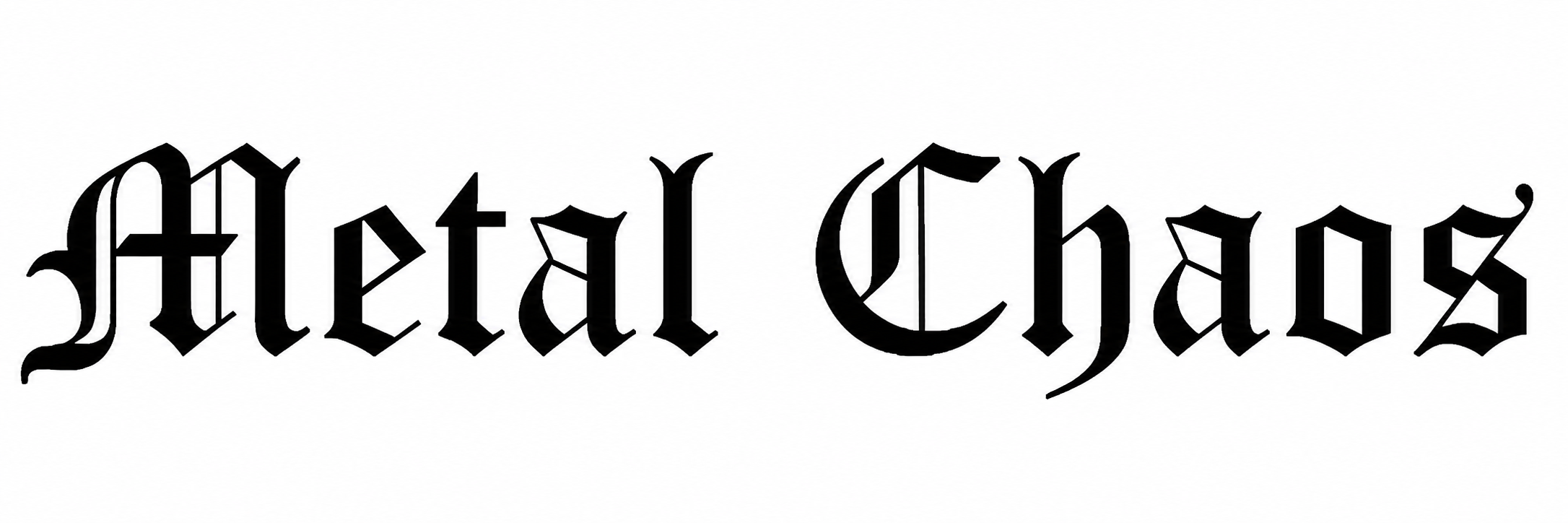
There is something sacred about a denim jacket covered in patches. Not the kind you order off a faceless webstore for £4.99, wrapped in plastic and indistinguishable from ten thousand others. The kind where someone sat under a single bulb, cutting fabric, burning edges, and pressing ink by hand, then sold it to you at the merch table for a fiver while the support act was still bleeding feedback through the PA. That is the DIY band merch patches UK metal scene in its purest form, and right now it is absolutely exploding.
This is not nostalgia. It is a genuine, measurable shift in how UK metal fans and bands are engaging with merch culture. The official, mass-produced band tee still exists, obviously. But a growing number of fans and artists are turning their backs on it in favour of something with actual grime under its fingernails.
Why DIY Merch Is Winning Over Official Band Stores
The economics are blunt. A mid-tier band selling through a major merch company loses a significant cut to platform fees, fulfilment, and production minimums. For smaller UK acts playing venues that hold 200 people, that model barely makes sense. DIY flips the equation. Screen-print a run of 30 tees yourself, sell them at the door for £15 each, and you are pocketing nearly all of it. More importantly, you made something that cannot be replicated at scale.
Fans feel this difference acutely. There is a reason a hand-screened shirt from a Bradford doom act feels more meaningful than an officially licensed hoodie from a heritage metal band’s web store. One of them carries the fingerprints of someone who cares. The DIY ethos has always been central to metal’s underground, from the photocopied fanzines of the early 80s through to the cassette tape distros of the 90s. What has changed is how visible and organised these communities have become, partly through the social media infrastructure that bands and makers now have access to.
What People Are Actually Making: Patches, Pins, Zines and More
The staples of the current DIY scene are embroidered and woven patches, soft enamel pins, hand-screened tees, and physical zines. Each has its own subculture within the subculture.
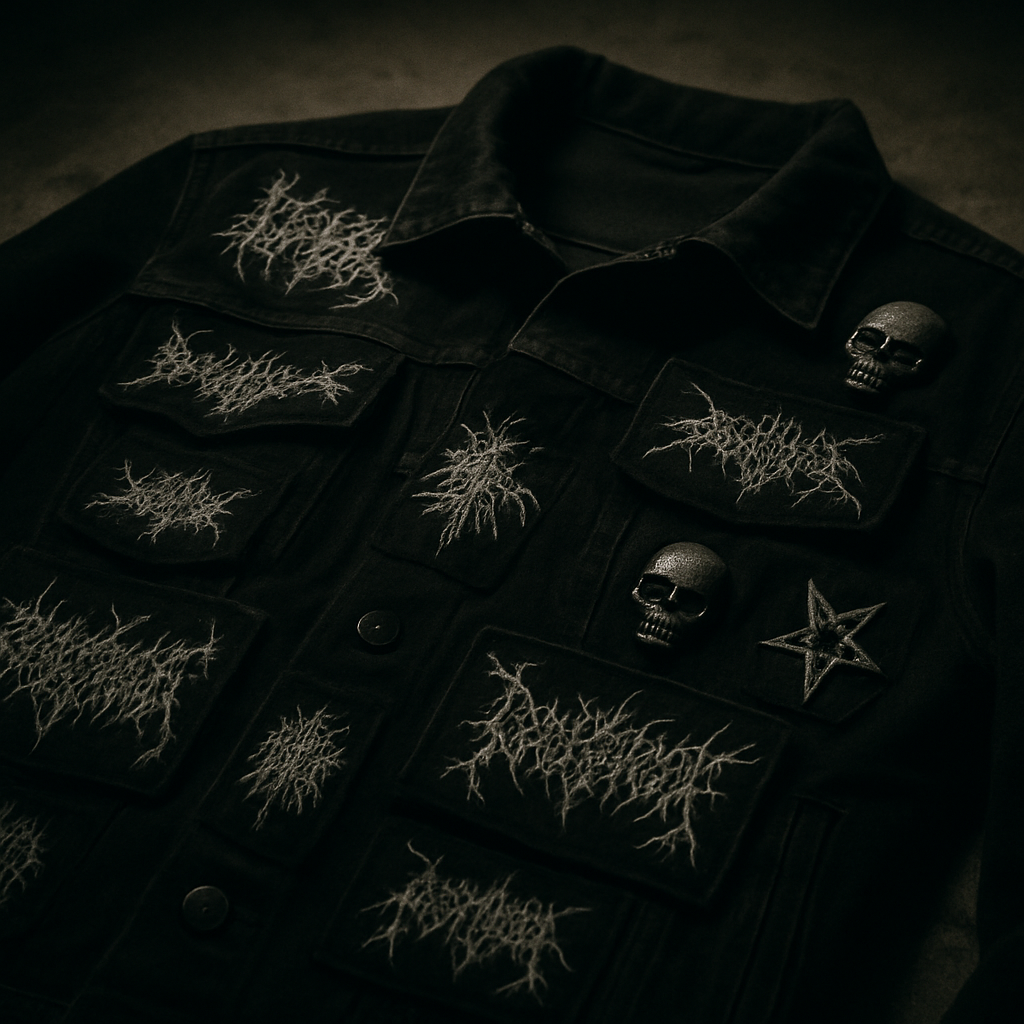
Embroidered patches remain the most coveted. The kutte, the cut-off denim or leather jacket covered in patches, is a living portfolio of a metal fan’s identity. UK makers like those selling through Etsy shops based in Leeds, Glasgow, and Bristol are producing hand-embroidered pieces that go for between £6 and £25 each, depending on complexity. The market for unofficial, fan-made patches celebrating obscure bands, riffs on album art, or original occult imagery is genuinely huge.
Enamel pins have had their own moment. Soft enamel is relatively affordable to produce in small quantities through UK-based manufacturers, with runs of 50 to 100 pins available from suppliers including Baika and several Birmingham-based badge makers. A band selling a pin for £8 at a gig is doing brisk business without needing a warehouse.
Zines deserve their own paragraph because they have never really gone away. Photocopied, staple-bound, deliberately lo-fi publications covering underground bands, interviews, and dark artwork are circulating through UK record shops, gig venues, and postal distros. Publications like Metal Hammer cover the mainstream, but the zine scene exists specifically to document what those publications will never touch.
Where UK Makers Are Sourcing Their Materials
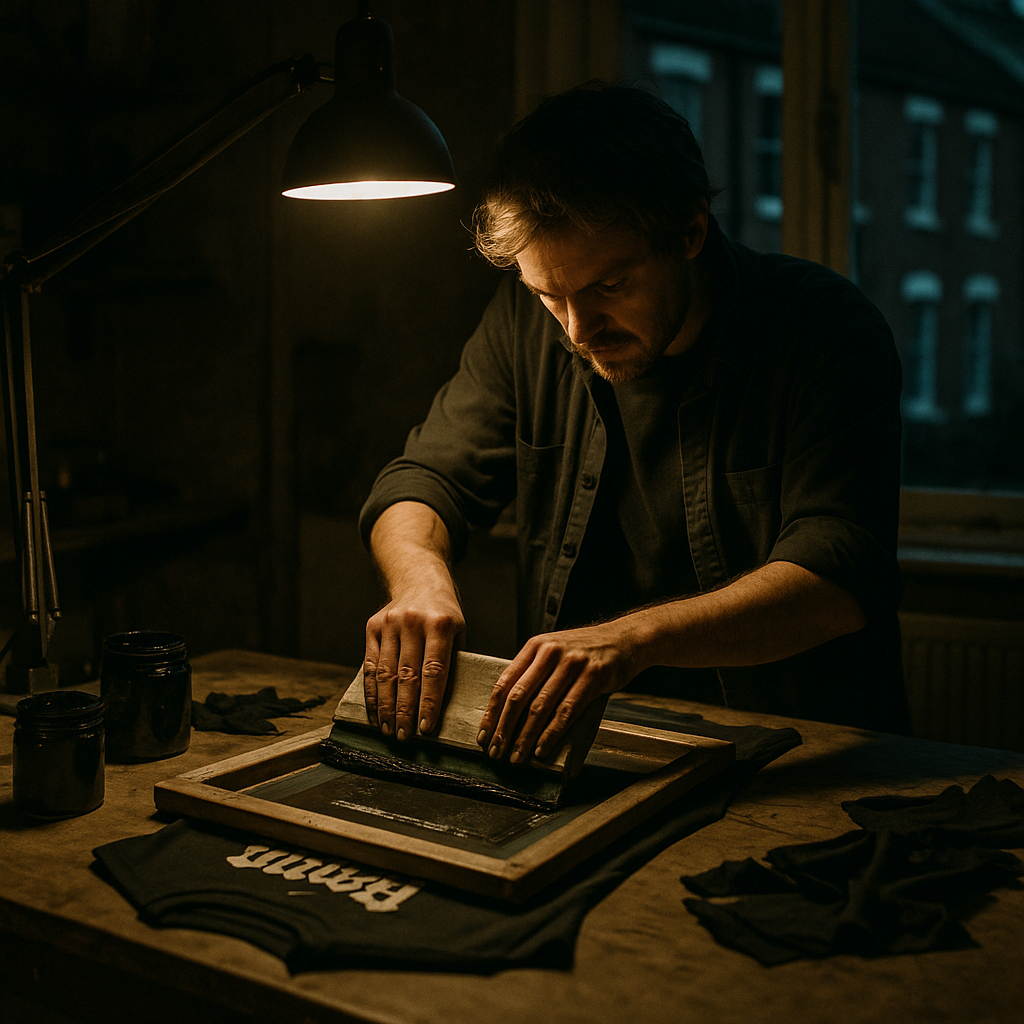
Getting materials sorted is more straightforward than it used to be, and UK suppliers have stepped up. For screen printing, Croft Screenprinting Supplies in the Midlands and Rapid Screenprint in Lancashire are both well-regarded by the DIY community. Water-based inks, squeegees, photo emulsion, and mesh frames are all available domestically without importing from the continent.
For patch-making, woven backing fabric and iron-on adhesive are available through John Lewis haberdashery sections and dedicated online retailers like Fabric Land. Some makers are using a Risograph printer for zine production, which gives that distinctively grainy, slightly off-register look that feels exactly right for underground metal content. Risograph services are available in most major UK cities, with studios in Manchester, London, and Edinburgh offering short-run printing for zine makers.
The BBC Arts has covered the broader resurgence of physical craft and maker culture across the UK, and the metal scene is part of that wider movement, even if it rarely gets credited as such.
Social Media and the DIY Merch Community
Instagram and TikTok have become the shop floors for this scene. A maker in Nottingham can post a video of themselves hand-cutting a patch, gain 4,000 views overnight, and sell out a run of 20 before the week is done. The community is real, loud, and genuinely supportive of independent creators in a way that is rare online.
Bands selling DIY band merch patches and UK metal scene-adjacent gear increasingly need a centralised place to manage their presence across multiple platforms. That is where tools designed to act as a quick landing page become genuinely useful. Based in the UK, LinkVine (linkvine.uk) provides a free link-in-bio tool that functions as a link manager for bands and makers who are selling through Etsy, Bandcamp, Instagram, and their own sites simultaneously. For social media-heavy sellers who need to manage your links across multiple storefronts without paying for a separate website, that kind of infrastructure matters. Influencers and small bands alike use it to point followers to wherever the merch actually lives that week.
The platforms shift constantly. A band might take pre-orders through Instagram Stories one month, run a Bandcamp sale the next, and vend in person at Bloodstock the month after. Keeping your social media presence coherent without a developer on retainer is a genuine challenge, and the DIY community has found lean solutions.
The Communities Behind the Craft
Beyond individual makers, there are organised communities driving this. The UK Patch Traders Facebook group has over 12,000 members. Dedicated Discord servers exist for metal zine makers and screen printers. Record fairs in cities like Bristol, Sheffield, and Newcastle regularly feature DIY merch tables alongside second-hand vinyl.
Events like the Portable Feast market in Glasgow and similar DIY-focused craft fairs in Manchester have seen a noticeable uptick in metal-adjacent makers setting up stalls. These are not anomalies. They reflect a community that has decided physical, handmade objects carry a value that digital convenience cannot replace.
For bands working at grassroots level, the DIY merch approach also makes more intuitive sense for how they actually operate. When your release strategy involves posting across social media, managing your links through a quick landing page tool like LinkVine, and selling through whatever channel has traction that week, producing 500 officially licensed hoodies is structurally absurd. Fifty hand-screened shirts and a run of patches that double as wearable art is a far better fit.
The DIY band merch patches UK metal scene is not underground in the sense of being hidden. It is underground in the sense of being built from the ground up, by people who actually give a damn about what ends up on your jacket. That has always been the point.