

There is a mythology baked into heavy metal that exhaustion is a badge of honour. Play the gig, drink the rider, drive four hours north, repeat. The ‘sleep is for the weak’ ethos has been stitched into the scene’s identity since the early days of Sabbath playing working-men’s clubs until the small hours. But I’ve spoken to enough touring musicians and lifelong gig-goers recently to know that metal musician sleep deprivation is no longer just a war story. It’s a genuine, grinding health problem, and the scene is barely starting to reckon with it.
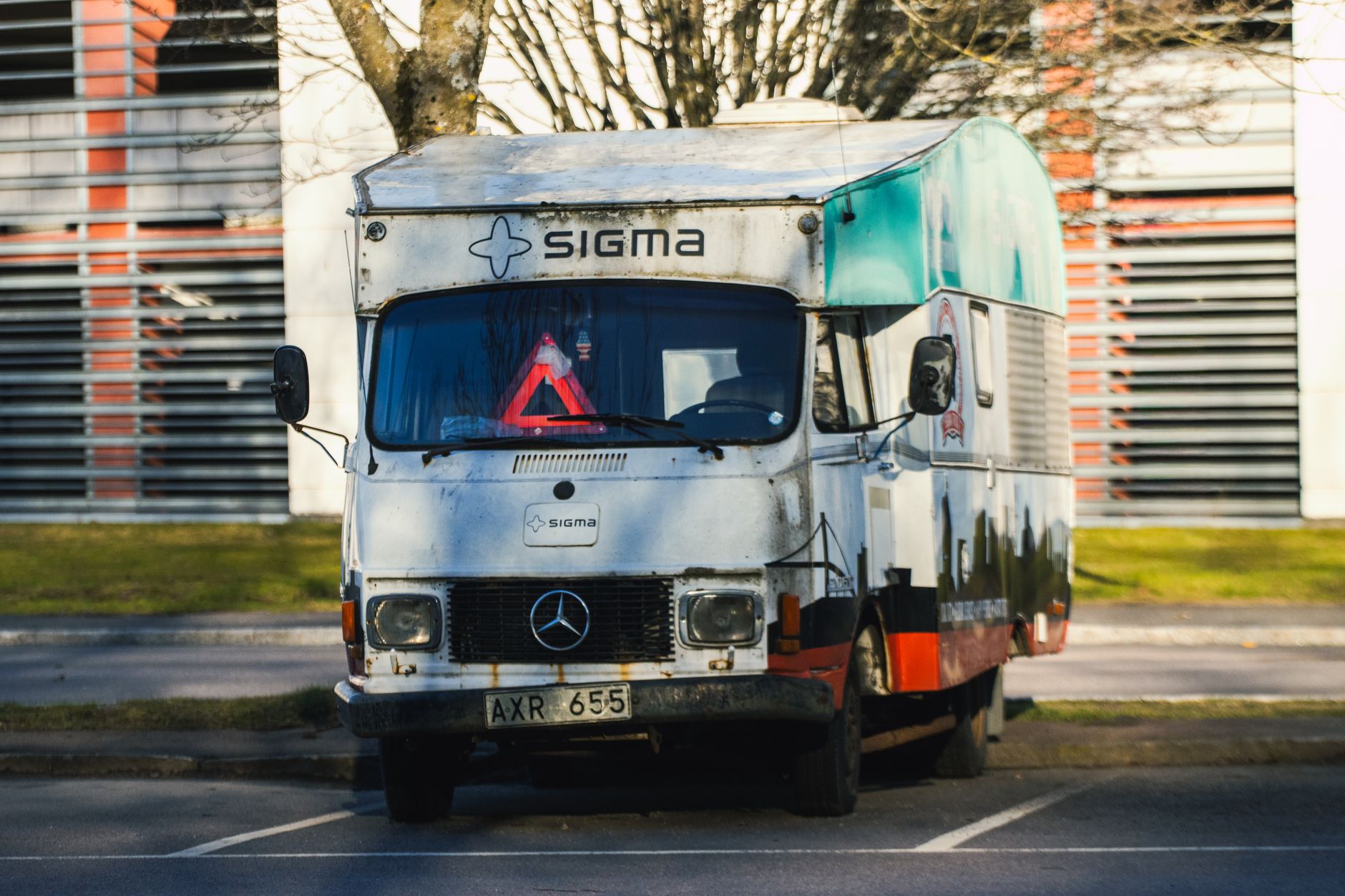
The structure of a metal show almost guarantees the problem. Even a mid-week local gig in a 200-capacity venue rarely ends before midnight. By the time you’ve loaded the van, waited for the door split, and finally got on the motorway, it’s closer to 2am. For fans, it’s the tube home, a kebab, and two hours of wired, post-show restlessness before a 7am alarm. The adrenaline from a wall of sound at 110 decibels does not simply switch off when you step outside. The body is flooded with cortisol and dopamine, and sleep scientists have known for years that this physiological state can delay sleep onset by two hours or more after intense stimulation. The NHS has published guidance acknowledging that irregular sleep patterns linked to shift and evening work significantly raise the risk of chronic sleep disruption, and frankly, gigging at that level is shift work by another name.
What’s changed recently, though, is the algorithm problem layered on top. I catch myself doing it too: you get home buzzing from a gig, you open your phone, and suddenly you’re watching a recommended live video from a band you half-know, then reading forum arguments about production choices on a 2024 record, then it’s 4am and you’ve achieved nothing except convincing yourself you need to listen to three more records before morning. The streaming platforms have made this catastrophically easy. Bandcamp new arrivals, Spotify’s endless ‘because you listened to’ corridors, YouTube rabbit holes into live footage from obscure European festivals. For the seriously obsessive metal fan, this doom-scrolling through releases at 3am is as much a part of scene culture as the gigs themselves. Researchers tracking the broader insomnia epidemic UK-wide have flagged screen use in the two hours before bed as one of the primary behavioural drivers, and in a subculture built around obsessive late-night listening sessions, that is a perfect storm.
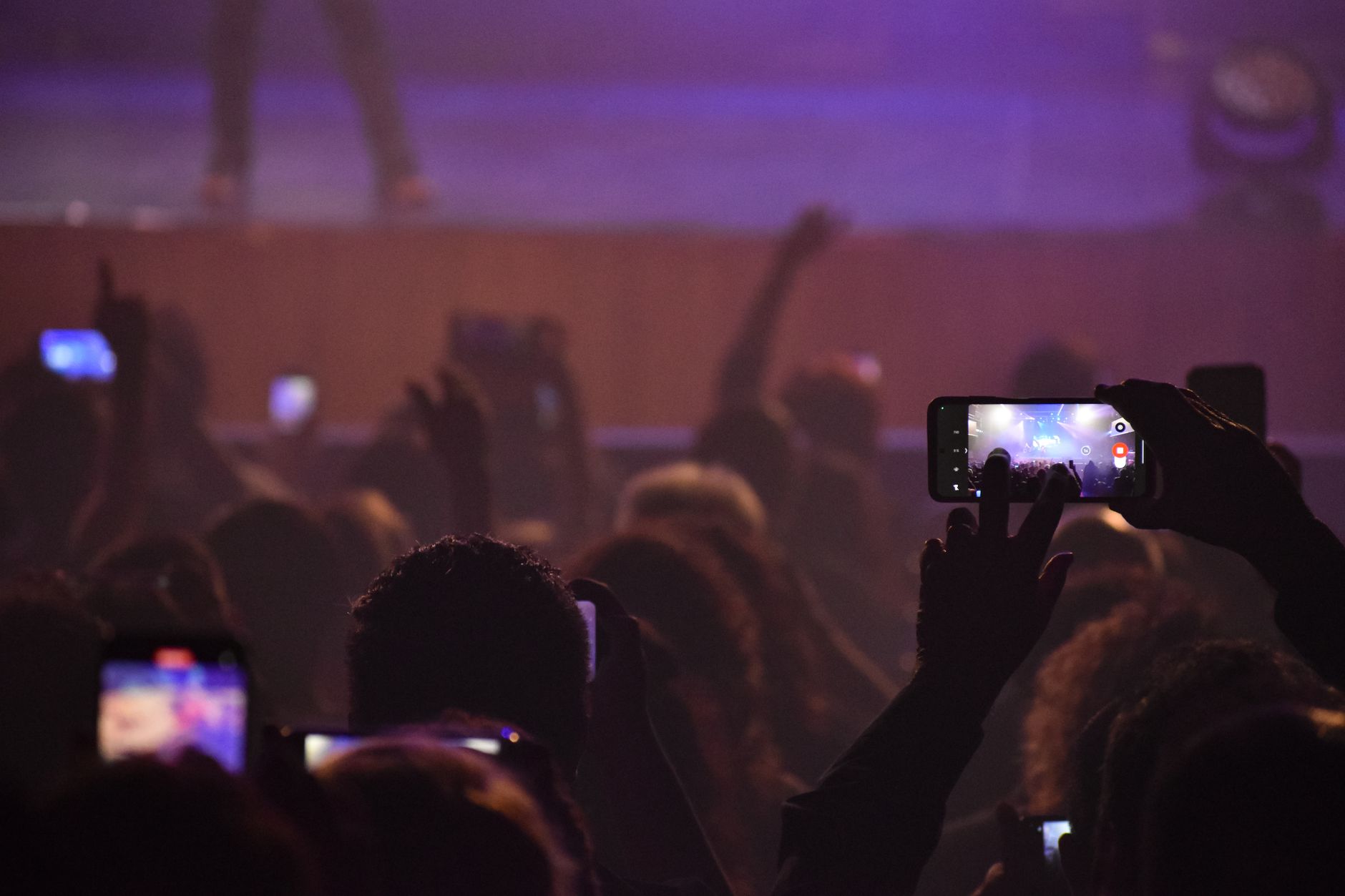
For musicians actually on tour, the situation is considerably worse. A support slot on a UK run means roughly this: soundcheck at 5pm, stage time somewhere between 7:30 and 9pm depending on the bill, then an adrenaline comedown that takes until 1 or 2am to even partially resolve, followed by a drive to the next city in a Transit van that smells of sweat and old cables. Sleep happens in a lay-by, in a mate’s spare room, or not at all. I spoke to a bassist from a Leeds-based band doing a 12-date UK run who told me he averaged about four hours a night across the whole tour. The band was using caffeine and sheer stubbornness to keep upright. This isn’t an edge case. It’s standard. The Northern England doom metal scene has built a reputation for relentless regional touring precisely because it’s the only viable model when record sales won’t cover costs, but the human toll of that model is starting to show.
Mental health conversations have opened up considerably in UK metal circles over the last few years, particularly around performance anxiety and burnout. What hasn’t been addressed with the same directness is how fundamentally sleep underpins all of it. Chronic sleep deprivation raises cortisol, impairs emotional regulation, makes creative work harder, and compounds existing anxiety. For musicians dealing with stage fright or the pressures of building a following on a shoestring, sleeping badly is not a minor inconvenience. It erodes the entire project from the inside. The NHS reports that around one in three people in the UK experience insomnia symptoms at some point, and among shift workers and those with irregular schedules the figure is substantially higher. The gigging population fits that bracket almost exactly.
The fashion side of dark culture has its own relationship with the night. Goth and metal aesthetics have always celebrated darkness in both literal and symbolic terms: black everything, nocturnal references in band names, an aesthetic preference for the small hours over the mundane daylight world. I’d argue this cultural identity has made it harder for people in the scene to take sleep seriously, because doing so feels like a betrayal of the vibe. Admitting you need eight hours feels vaguely embarrassing in a subculture where staying up until dawn has connotations of dedication. This is the same tension you see in UK dark fashion circles, where the aesthetic of exhaustion is sometimes romanticised to a point that obscures when real exhaustion has set in.
Some corners of the scene are quietly pushing back. Sleep hygiene is coming up in touring musician forums and in the kind of candid interviews that smaller metal publications run when they’re not chasing PR-friendly soundbites. A few UK festival promoters have started scheduling earlier stage times for smaller outdoor events, partly for licensing reasons but also because they’ve heard from enough bands that the 1am finish is genuinely punishing. The ongoing licensing battles facing UK metal venues have, as a side effect, pushed some smaller promoters into earlier curfews that musicians privately admit are a relief. It’s not a revolution. But the conversation is shifting.
What’s needed isn’t a lecture. Metal culture has always had a sharp nose for condescension, and anything that smells like wellness branding grafted onto the scene will get the contempt it deserves. What’s actually useful is straight talk: chronic sleep disruption will shorten a touring career, dull the creative edge that makes the music worth hearing, and grind down mental health in ways that no amount of gig adrenaline can compensate for. The ‘sleep is for the weak’ line is a pose, and most musicians deep down know it. The weak move is burning out at 28 because you spent three years treating unconsciousness as optional. Sleep isn’t a concession to normality. It’s what keeps the racket going.
Frequently Asked Questions
Why do metal musicians and gig-goers struggle so much with sleep?
Late-night performance schedules and the adrenaline surge from loud, intense shows keep the nervous system activated well past midnight. Add long drives, irregular meal times and obsessive late-night listening sessions, and the conditions for chronic sleep disruption are almost guaranteed.
Is metal musician sleep deprivation actually a health risk or just part of the lifestyle?
It is a genuine health risk. The NHS recognises that irregular sleep patterns linked to evening and shift-based work significantly increase the risk of chronic insomnia, cardiovascular issues and mental health problems. Musicians on sustained touring schedules face exactly these conditions.
How does doom-scrolling through new metal releases at night make sleep worse?
Screen use in the two hours before bed suppresses melatonin production and keeps the brain in a stimulated, alert state. For fans who already arrive home wired from a gig, adding an hour or two of algorithm-driven listening or forum browsing can push sleep onset past 4am.
Leave a Reply