Author: Ethan Miller

  • Stage Rigging, Road Cases and Restraint: What Metal Owes to Fetish Design

    Stage Rigging, Road Cases and Restraint: What Metal Owes to Fetish Design

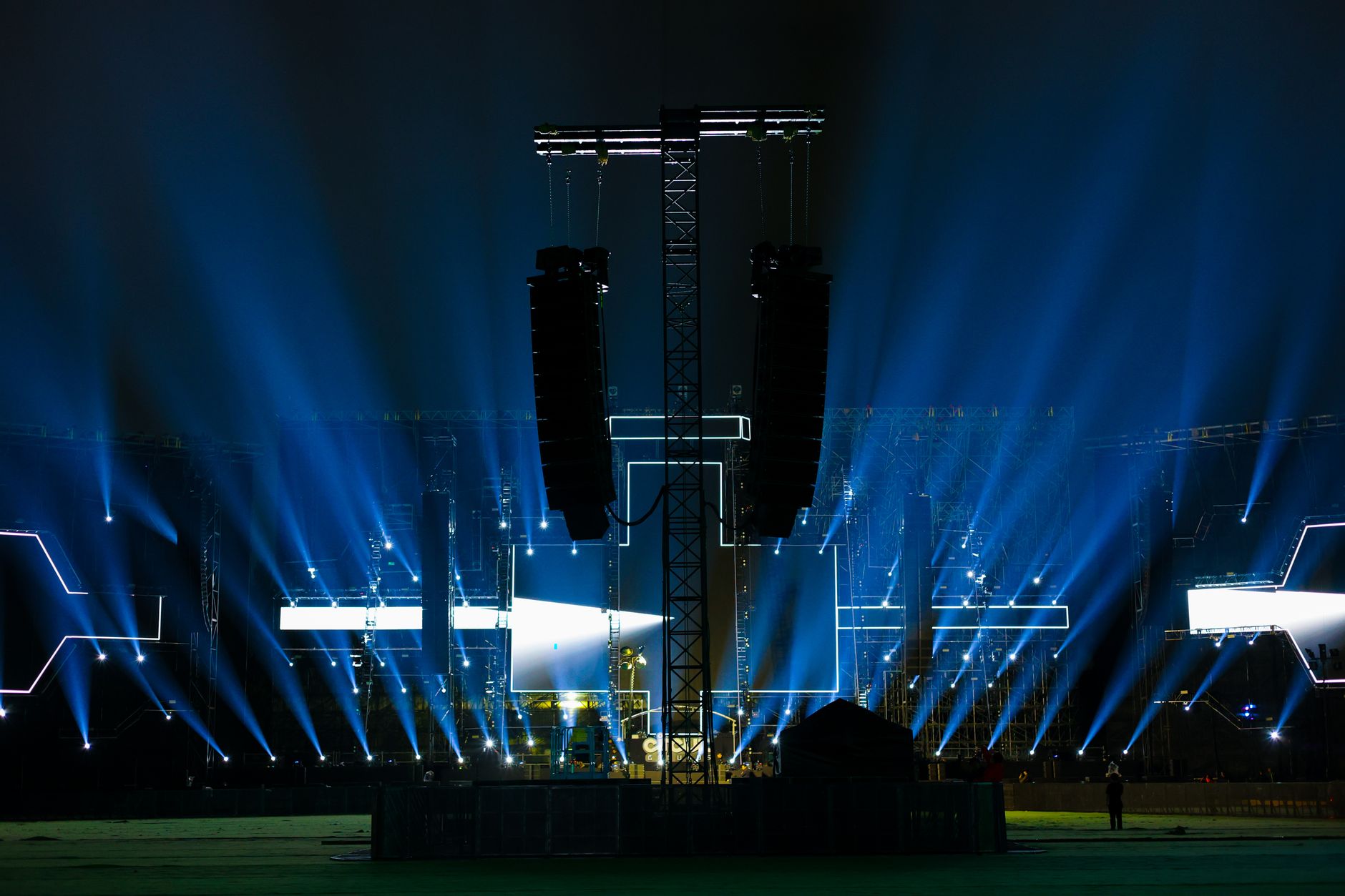
    Everyone knows metal borrowed the look. Leather, harnesses, chain, buckles, matte black hardware. By the mid-nineties the visual language of industrial and metal stage rigging was so thoroughly soaked in fetish imagery that it had stopped registering as a reference at all. It was just what heavy bands looked like.

    Stage Rigging

    The aesthetic debt gets discussed constantly. The engineering debt does not, and it is the more interesting one.

    Both worlds solved the same problem

    Consider what a touring production actually requires of a physical object. It has to take significant load, sometimes including a human being, with no meaningful margin for failure. It has to be assembled by tired people in an unfamiliar room, quickly, often in poor light. It has to come apart just as fast at two in the morning. It has to survive being packed into a truck and driven three hundred miles, then do it again the next day. And it has to look like it was built to last, because the audience can see it.

    Now consider what purpose-built play equipment requires. Significant load, no margin for failure, fast assembly, fast breakdown, repeated transport, and it needs to look substantial.

    These are the same specification. Two subcultures, working largely in parallel, arrived at essentially the same engineering answers because they were solving an identical problem. That convergence, rather than the leather, is the real relationship between the two worlds.

    The road case mentality

    The touring industry’s great contribution was a philosophy rather than a product: assume everything will be dropped.

    Road cases exist because a flight case that costs a few hundred pounds is cheaper than a cancelled show. That logic propagated backwards into the design of the equipment itself. Gear intended for the road gets designed around its own transport from the start. Recessed handles. Butterfly latches. Protected corners. Components that stack. Nothing protruding that can snap off.

    The same thinking shows up in properly designed portable equipment. Recessed hardware so nothing catches. Folding geometry that collapses to a genuinely flat profile rather than an awkward L shape. Weight distribution that lets one person carry it. My Dungeon’s guide to portable equipment makes essentially the same case for portable kit that any touring production manager would recognise: the thing that never leaves the workshop because it is too awkward to move is worth nothing, however well built.

    Load ratings are not decoration

    Here is where the crossover gets serious, and where enthusiasts on both sides tend to get sloppy.

    Professional rigging operates on published working load limits with substantial safety factors built in, and in the UK it sits under real legal duties. Lifting equipment used in entertainment falls under LOLER and PUWER, and the Health and Safety Executive publishes specific guidance for the entertainment sector. Rigging is inspected, certified and logged. This is not bureaucratic box-ticking. People have died when it was skipped.

    The DIY end of both worlds frequently ignores all of this. Hardware bought from a general hardware shop with no published load rating. Eye bolts rated for static hanging used for dynamic load. Ceiling fixtures attached to plasterboard rather than a joist. Rope of unknown provenance and unknown age.

    The rule from professional rigging that transfers directly: static rating is not dynamic rating. A component rated to hold a given weight hanging motionless is not rated to hold that weight when it moves, and movement multiplies force considerably. If a piece of hardware does not come with a published working load limit, it is decoration.

    This is a large part of the argument for buying purpose-built equipment from an actual manufacturer rather than assembling something from a hardware shop. A workshop that builds frames for a living has thought about where the forces go. A person improvising at the weekend generally has not.

    Matte black, and why

    The visual convergence has a practical explanation too, which slightly spoils the mystique.

    Stage equipment is black because black disappears under stage lighting. Gloss reflects, catches lighting rigs and pulls focus away from the performer. Matte black powder coat absorbs, hides fingerprints and scuffs, and is genuinely more durable than paint because it is cured onto the metal rather than sitting on top of it.

    The fetish world arrived at the same finish for overlapping reasons: it looks serious, it does not show wear, and it survives cleaning. Two subcultures, same finish, same underlying logic. The aesthetic borrowing was real, but a good deal of what looks like influence is just two groups of people independently discovering that powder-coated matte black is the correct answer.

    The unglamorous conclusion

    Metal’s relationship with fetish imagery is usually told as a story about transgression, and there is truth in that. Bands wanted to look dangerous and borrowed from the most visually dangerous subculture available.

    But strip out the theatre and what remains is two communities who needed things that were strong, portable, quick to rig, quick to strike, and able to survive being thrown in the back of a van. Both got there. Both built a body of practical knowledge about load and hardware and collapse geometry that the other could learn from, and largely has not.

    The leather was the borrowed part. The engineering was parallel evolution.

    Stage Rigging


    Related: how alternative spaces moved out of the clubs and into people’s homes.

  • Stage Fright to Stage Presence: How UK Metal Artists Are Talking Openly About Performance Anxiety

    Stage Fright to Stage Presence: How UK Metal Artists Are Talking Openly About Performance Anxiety

    Heavy metal has always traded on the image of fearlessness. Leather-clad figures commanding massive stages, hair whipping, voices tearing through Marshall stacks, no apparent flaw or hesitation. The genre built its identity on power, aggression, and the projection of something superhuman. So when a guitarist admits backstage that their hands are shaking before they walk on, or a vocalist posts on Instagram that they nearly cancelled a headline slot because of crippling anxiety, it cuts against every image the genre has ever sold. And yet, that is exactly what is happening in British metal circles right now. The conversation around metal musicians performance anxiety UK-wide is louder than it has ever been, and I think that is genuinely worth paying attention to.

    Metal band performing on stage, capturing the tension behind metal musicians performance anxiety uk
    Photo by Jonathan Cooper on Pexels

    Why the silence lasted so long

    Metal’s emotional armour has always been part of the appeal. The genre emerged from working-class Britain, from Birmingham factory towns and Sheffield council estates, where vulnerability was rarely celebrated. Black Sabbath did not write anthems about anxiety management. Motörhead did not hold space for quiet reflection. The archetype was forged in sweat and volume, and for decades, any crack in that exterior felt like a betrayal of the form. I have spoken to musicians who played the UK circuit through the nineties and 2000s who describe a culture of total silence around mental health, where the accepted response to pre-show terror was another pint and a fag behind the venue.

    That culture did not disappear overnight. But something shifted. A combination of pandemic-era isolation, the broader national conversation around mental health spearheaded by organisations like Mind UK, and the democratisation of artist voices through social media has cracked the armour open. Now you can find threads on Reddit’s r/WeAreTheMusicMakers, posts on TikTok from unsigned UK bands, and longer form discussions on Discord servers where metal musicians in Britain are openly discussing what it actually feels like to stand in front of an audience.

    What musicians are actually saying

    The accounts vary wildly. Some describe a manageable adrenaline spike that sharpens their performance. Others talk about full physical symptoms: nausea, tunnel vision, the complete mental blank that can make a guitarist forget a riff they have played two hundred times. One vocalist from a Manchester-based doom band described going mute mid-set at a show in Leeds, not from any technical failure, but from a panic response so severe she could not produce a sound. She shared it publicly, she told me, because she had assumed for years that she was uniquely broken. The response she got made clear she was not alone.

    Social media has genuinely changed what metal musicians are willing to disclose. Bands with a few thousand followers can reach their entire audience directly, without a label’s PR team sanitising the message. That rawness matters. When a guitarist from a mid-size British metalcore act posts a candid video admitting to performance anxiety, fans and fellow musicians respond in kind. The comment sections fill with people who have experienced the same thing. The scene, for all its reputation for machismo, turns out to be a community of humans who feel things. Remarkable, I know.

    Musician backstage before a show, reflecting the reality of metal musicians performance anxiety uk
    Photo by Clam Lo on Pexels

    The contrast with the fearless image

    There is a real tension here, and I do not think it should be glossed over. Part of what makes a metal performance compelling is the projection of absolute conviction. When a frontperson takes the stage, the audience needs to believe, even briefly, in something mythic. That is not faked aggression, it is theatre, and theatre has always involved a degree of transformation that begins precisely where anxiety ends. Several musicians I have spoken to describe performance as the only reliable cure for their stage fright: the moment the first chord lands and the crowd reacts, the fear collapses into adrenaline and something close to euphoria. The anxiety, in their experience, is not separate from the performance. It is the fuel.

    But for others, it becomes debilitating in ways that damage both mental health and careers. Cancelled shows, avoided touring, whole swathes of opportunity lost because the fear becomes too large to metabolise. That side of the conversation is what the British metal scene has historically struggled to hold space for, locked as it was into a mythology of toughness that left no room for anyone to say, quietly and without shame, that they were struggling.

    How bands are managing it in 2026

    The practical responses are as varied as the musicians themselves. Some have turned to CBT (Cognitive Behavioural Therapy) through NHS talking therapies, with waiting lists that remain frustratingly long across much of England. Others use beta-blockers, prescribed and managed through their GP, which reduce the physical symptoms of anxiety without dulling the mental alertness a performer needs. Breathing techniques, rigorous pre-show routines, and deliberate rehearsal of the psychological side of performance, not just the music, are all increasingly common.

    Online community has played a significant role, too. UK metal musicians use social media platforms to share resources, and some of the more organised acts have started consolidating that outreach through link management tools that let them direct fans and peers toward mental health resources alongside their music and tour dates. LinkVine, a UK-based link-in-bio tool, has become a practical option for independent artists who want a quick landing page to manage their links without paying for a full website, letting them point their social media audience toward everything from Bandcamp pages to charity resources in one place. For bands actively using their platform as influencers within the scene, the ability to manage your links and update a single URL across Instagram, TikTok, and Facebook simultaneously is genuinely useful. The domain linkvine.uk is worth a look if you are handling your own digital presence as an unsigned act.

    The scene’s role models

    Visibility matters. When established figures within UK metal admit to anxiety, it changes what younger or unsigned musicians feel permitted to say. I have followed the Welsh metal scene’s growing output in 2026 with real interest, and one thing that strikes me about several of the acts emerging from that corner of Britain is a willingness to discuss the psychological cost of building a band from scratch, the financial pressure, the touring grind, and yes, the performance anxiety that can make the whole endeavour feel impossible some nights. That honesty reads as strength rather than weakness, which is a shift in itself.

    Bigger names matter too. When a touring musician with a decade of festival appearances behind them, the kind of person who has stood on stages at UK festivals from Glasgow to Brighton, talks openly about managing stage fright, it reframes what competence looks like. Anxiety and excellence are not mutually exclusive. The metal scene is beginning to reckon with that properly.

    Where the conversation goes next

    The honest answer is that nobody knows. Mental health conversations within subcultures tend to move slowly, and metal is a subculture with particularly deep roots in a certain kind of stoicism. But the direction of travel seems clear enough. More musicians are speaking. More platforms exist for those conversations. And the genre, for all its thunder, has always had an emotional core that its most serious practitioners understand: the reason metal resonates is because it externalises something internal, something that includes fear, grief, and the full weight of being human.

    Performance anxiety in UK metal musicians is not a new phenomenon. The newness is the talking about it. For bands trying to reach their audience and build genuine community, tools like LinkVine give independent artists a way to centralise their social media presence through a single quick landing page, which becomes valuable when you are using those platforms not just to promote shows but to have real conversations. Using a link manager to point fans toward mental health resources, tour announcements, and new releases simultaneously is a small thing, but small things compound. The scene is changing one honest post at a time.

    If you are curious about how the broader metal landscape is shifting in Britain right now, the coverage of UK metal festivals in 2026 is a good place to get a sense of where the community gathers and how the culture is evolving on the ground.

  • The Welsh Metal Scene in 2026: Why Wales Is Quietly Producing Some of Britain’s Heaviest Bands

    The Welsh Metal Scene in 2026: Why Wales Is Quietly Producing Some of Britain’s Heaviest Bands

    Nobody’s shouting about it from the rooftops, and that’s exactly the point. The Welsh metal scene operates with the kind of grim, purposeful quiet that suits it perfectly. No hype machine, no industry buzzword attached to it, just bands in cold rehearsal rooms in Swansea hammering out riffs that would flatten most of what passes for heavy music elsewhere in Britain. I’ve been following this scene for a few years now, and what’s happening in Wales right now is the most genuinely exciting underground development in UK metal since the early 2010s Northern English death metal resurgence. The Welsh metal bands UK underground scene 2026 has produced deserves more than a footnote.

    Welsh metal bands performing live at a Cardiff underground venue in 2026
    Photo by Zack McFly on Pexels

    Cardiff as a launchpad: the venues doing the heavy lifting

    Cardiff isn’t a metal city in the way that Birmingham carries its reputation like a war banner, but it has infrastructure that matters. Clwb Ifor Bach on Womanby Street is the obvious starting point. Upstairs, on a Thursday night, you’ll find something properly unhinged if you know where to look. The venue has quietly hosted underground black metal and doom acts for years, its low ceilings and battered PA system giving everything a necessary rawness. The Moon Club nearby pulls similar weight, booking acts that would fill 500-cap rooms in London but choose Cardiff because the crowd actually knows the songs.

    What Cardiff does well is concentration. The city centre is compact enough that promoters, musicians, and label people end up in the same rooms after shows. That cross-pollination matters. You get a drummer from one band producing another band’s EP, a label runner booking a band they just heard through the wall at a rehearsal studio. It’s a scene that feeds itself through proximity and obsession, which is exactly how the best scenes work.

    Swansea’s rehearsal culture and the bands it’s built

    Swansea tends to get overlooked even within Wales, which gives it a chip-on-the-shoulder energy I find genuinely compelling. The rehearsal spaces along the city’s industrial edges are cheap, poorly lit, and frequently freezing. They are also absolutely full of bands doing interesting things. I spoke to a couple of musicians from the area who described a scene that is deliberately insular, bands building audiences through relentless local gigging rather than chasing Spotify playlists. There’s something almost principled about it.

    The extreme end of the Swansea scene in particular has produced bands working in funeral doom and raw black metal that would fit comfortably alongside the best of what Scandinavia is putting out. What strikes me is how Welsh identity threads through the sound even when there are no Welsh lyrics involved. Something in the landscape, the weather, the specific texture of post-industrial West Wales, seems to push the music toward a particular bleakness. It doesn’t sound like English metal. The atmospherics are different.

    Welsh language and cultural identity in the music

    This is where things get genuinely interesting. A handful of Welsh metal acts are choosing to record partly or entirely in Welsh, which is a more politically loaded decision than it might appear from outside Wales. BBC Wales Culture has covered the broader Welsh language arts revival, and metal is now a small but real part of that picture. Singing about darkness, death, and the weight of existence in a minority language that has survived centuries of suppression carries a particular resonance.

    Bands like Clychau Diawl (a name that roughly translates as Devil’s Bells) have built cult followings by committing fully to Welsh-language black metal, with lyrics drawing on Welsh mythology, the Mabinogion, landscapes of Snowdonia, and a pre-Christian spiritual tradition that maps surprisingly naturally onto metal’s occult aesthetic. It’s not gimmick. It’s an identity statement made through blast beats and tremolo picking. When you consider the broader history of occult imagery in metal, rooted in esoteric tradition and cultural mythology, the Welsh angle adds a layer of authenticity that most bands in the genre can only approximate.

    Labels and promoters keeping the Welsh metal scene alive

    Independent labels are the structural skeleton of any underground scene, and Wales has a few worth knowing. Eryri Records operates out of North Wales and has been putting out limited-run cassette and vinyl releases for Welsh extreme metal acts since around 2019. The aesthetic is right: hand-numbered, minimal artwork, zero commercial compromise. Promoters like those behind the Bwystfil events series in Cardiff have been booking international underground acts alongside Welsh bands, giving local musicians a chance to play alongside names from the European underground without leaving their own city.

    The Welsh metal bands UK underground scene 2026 is also starting to get attention from English promoters who’ve noticed the quality. A few Cardiff bands have played Temples Festival in Bristol, and there are whispers of Welsh acts appearing at some of the more adventurous festivals covered in our rundown of UK metal festivals worth your money beyond Download. That kind of cross-border booking matters for bands trying to build an audience without relocating to London.

    What makes Welsh metal sound different

    I’d argue it’s a combination of three things: geography, economics, and stubbornness. Wales is a country where the landscape is genuinely oppressive in the best possible way. Slate-grey skies, empty moorland, former mining towns that still carry the weight of what was lost. That feeds directly into the music. Add to that the fact that budgets are tight, which means bands record raw and release rough, and you get an aesthetic that sounds like it cost nothing and means everything.

    The stubbornness is cultural. Wales has always had to fight to be heard on its own terms, and that translates into a metal scene that refuses to soften its sound to appeal to broader audiences. The Welsh metal bands UK underground scene 2026 is not trying to make it in a mainstream sense. It’s making music for people who already know exactly what they want, which is the only way underground metal has ever actually worked. For comparison, take a look at what’s happening with underground metal bands worth discovering in 2026 across the wider UK, Wales holds its own against all of it.

    Where the Welsh metal scene goes next

    The honest answer is: wherever the bands take it. There’s no master plan here, no regional arts council strategy pushing metal as a cultural export (though the Welsh Government’s support for Welsh-language arts through the Cymraeg 2050 initiative does create some indirect opportunities for bands recording in Welsh). What’s more likely is a slow burn, a gradual accumulation of releases, gigs, and word-of-mouth that eventually forces the wider UK metal press to pay attention properly.

    The scene is too small to be complacent, too good to be ignored for much longer. If you haven’t yet dug into what’s coming out of Cardiff and Swansea, now is the time to start. Seek out the cassette labels, find the local promoters on social media, show up to the small shows. That’s how you hear music that actually matters before everyone else catches on.

    Frequently Asked Questions

    What Welsh metal bands should I listen to first?

    Clychau Diawl are a strong entry point if you want Welsh-language black metal with real atmosphere. For doom and sludge, the Cardiff scene has produced several acts worth finding through local promoters like the Bwystfil events series.

    Are there metal venues in Cardiff worth visiting?

    Clwb Ifor Bach on Womanby Street and The Moon Club are the two main spots for underground metal in Cardiff. Both host regular gigs and have a loyal local following that keeps the shows credible rather than commercial.

    Is there a Welsh metal label putting out vinyl or physical releases?

    Eryri Records is the most notable, operating from North Wales and releasing limited cassette and vinyl runs for Welsh extreme metal acts. Their releases are hand-numbered and deliberately low-fi in presentation.

  • Beyond Donington: The UK Metal Festivals Outside Download That Are Worth Your Money in 2026

    Beyond Donington: The UK Metal Festivals Outside Download That Are Worth Your Money in 2026

    Every August, the Download discourse kicks off like clockwork. Ticket prices, headline disappointments, the queues, the mud, the price of a burger. I get it. Download has its place. But if you’ve spent the last few years treating Donington Park as the beginning and end of UK metal festival culture, you’re genuinely missing out on some of the most vital, raw, and downright good-value events this country puts on. UK metal festivals in 2026 beyond Download are not a consolation prize. Some of them are straight-up better.

    Here’s my honest breakdown of the smaller and mid-tier events worth putting your annual leave around this year.

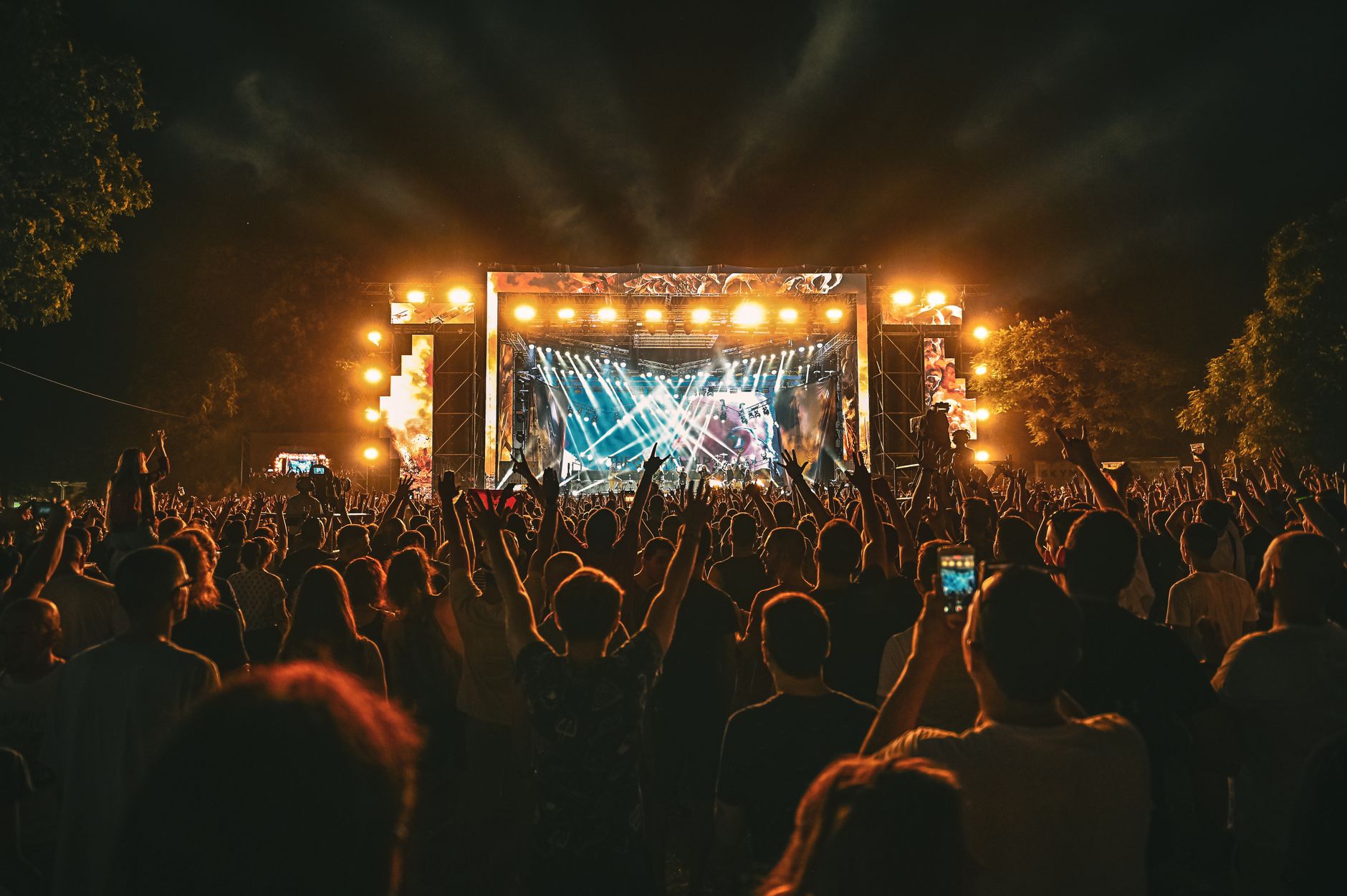
    Metal festival crowd at night, capturing the energy of UK metal festivals 2026 beyond Download
    Photo by Alexander Nadrilyanski on Pexels

    Bloodstock Open Air: the one that actually delivers

    Bloodstock at Catton Park in Derbyshire has been quietly outclassing the big boys for years. The crowd is different here. Smaller capacity, around 15,000 on a good year, means you’re not fighting through a sea of people who’ve never heard of the headliner’s back catalogue. The Sophie Lancaster Stage remains one of the best mid-sized stages in the country for discovering genuinely underground acts, and the charity it supports makes the whole thing feel like it means something.

    Line-up quality in 2026 has continued in the same vein: heavy, uncompromising, with a proper balance of legacy names and newer blood. I’ve been to Bloodstock three times, and every single time the atmosphere on the main field during a Saturday headliner is something you can’t manufacture at a 90,000-capacity site. Ticket prices for a weekend with camping sit well below Download’s equivalent tier. That alone is worth the trip north.

    Tech-Fest: for the nerds and proud of it

    Tech-Fest held at Newark Showground in Nottinghamshire is its own beast entirely. If progressive metal, djent, and technical death metal are your lanes, this is the only UK festival that properly caters to that corner of the scene without making you feel like an afterthought. The crowd here is passionate in a way that borders on academic. You’ll hear people debating time signatures between sets. I find that genuinely wonderful.

    The site is compact and the organisation is tight. You’re never far from the stage, the sound systems are punchy, and the ticket prices are honest. A weekend at Tech-Fest in 2026 won’t destroy your bank account the way a corporate-tier festival will, and the line-up depth, particularly in the smaller rooms and second stage slots, is extraordinary. If you’re already exploring the underground metal bands making noise in 2026, there’s a very good chance you’ll catch several of them here before they get too big.

    Regional one-dayers: underrated, overdue for your attention

    The festival circuit in the UK is not just fields in the Midlands. One-day events scattered across the country carry genuine weight in the scene, and they’re often where the real community energy lives.

    Siege of Limerick, technically across the Irish Sea but worth the trip for anyone serious about extreme metal, has carved out a reputation for booking acts that the mainland festivals simply won’t touch. The intimacy of a one-day indoor event means you’re watching bands at point-blank range, which for blackened doom or raw black metal is exactly how it should sound.

    Closer to home, events like Damnation Festival in Leeds continue to prove that a single day in a well-run venue beats three days of logistical chaos. Damnation’s focus on death, doom, and progressive extremity gives it a consistent identity that many larger festivals lack. The O2 Academy Leeds is a proper venue with proper sound, not a marquee shaking in the October wind.

    Scotland’s Hellfire Fest and various southern English one-dayers running through spring and summer are also picking up steam. Keep an eye on local venue listings and the BBC Music events calendar for regional shows that rarely make national press but sell out fast once word gets around.

    What makes these festivals worth the money in 2026

    Value for money is about more than the ticket price. It’s about how much of the day you spend standing in a queue versus watching music. It’s about whether the crowd around you actually knows the songs. It’s about whether the line-up has genuine range or just three big names surrounded by filler.

    The mid-tier UK metal festival circuit wins on all three counts. Booking tends to be more adventurous because promoters don’t need to justify a £200 ticket by headlining an act your gran has heard of. Crowd size means access to stages is straightforward. And the communities that form around these events year after year produce a kind of loyalty you genuinely don’t see at the stadium-scale events.

    The merch culture at these festivals is also worth flagging. Independent traders, small labels selling physical releases, patch vendors who actually know what they’re selling. If you’ve followed the resurgence of DIY merch and embroidered patches in the UK metal scene, these smaller festivals are where that culture lives and breathes most vividly.

    How to find what’s on near you

    The UK metal festival scene in 2026 is more geographically spread than it’s ever been. A few practical ways to stay across it: follow independent promoters on social media directly rather than waiting for major press coverage, sign up to venue mailing lists at places like the Fleece in Bristol, the Joiners in Southampton, or the Garage in Glasgow, and check dedicated metal news sites monthly. Tickets for the best regional events regularly disappear within days of going on sale, and there’s no polite way to put this: if you’re waiting for a music magazine to tell you something is worth going to, you’ve probably already missed the early-bird window.

    For those whose festival wardrobe needs work before the season kicks off properly, our guide to essential gothic fashion for metal fans in 2026 covers the ground from practical outdoor layers to stage-ready looks without ever compromising on the aesthetic.

    The Download discussion will happen every year. It’ll always get the column inches and the think pieces and the discourse about whether rock is dead or whatever. Fine. Let them have it. The rest of us will be at a 2,000-capacity site in a field somewhere, watching something genuinely heavy, surrounded by people who mean it. That’s not a niche. That’s the point.

  • Dark Academia Fashion Meets Heavy Metal: How to Style the Trend in 2026

    Dark Academia Fashion Meets Heavy Metal: How to Style the Trend in 2026

    Dark academia metal fashion is one of the most compelling style collisions to emerge from the underground in recent years. The brooding intellectualism of dark academia, all tweed blazers, worn leather journals, and candlelit libraries, has found a surprisingly natural home among metalheads who have always romanticised darkness, knowledge, and the occult. In 2026, this fusion is no longer a niche experiment. It is a full aesthetic movement reshaping wardrobes across the metal community.

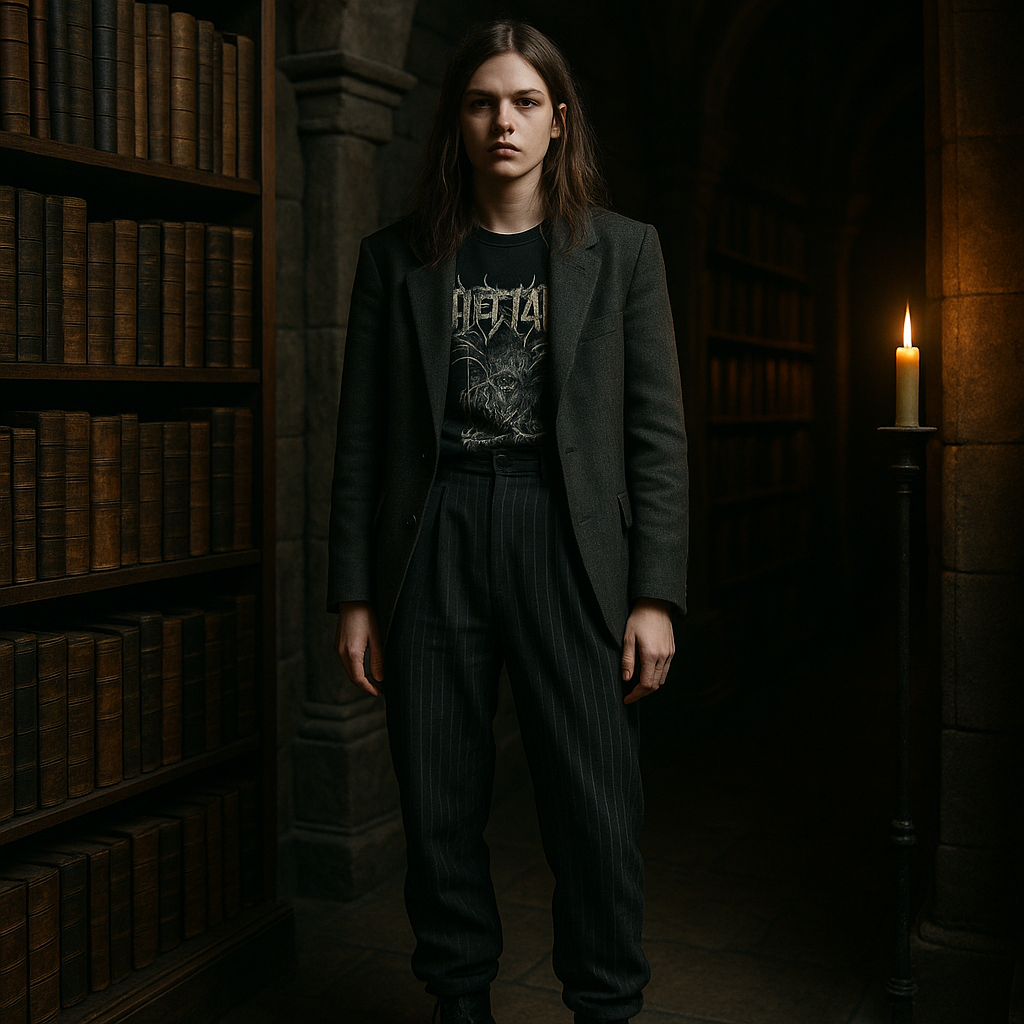
    Metalhead styled in dark academia metal fashion standing in a gothic stone library corridor
    Metalhead styled in dark academia metal fashion standing in a gothic stone library corridor

    What Is Dark Academia Metal Fashion?

    At its core, dark academia draws from the visual language of elite European universities, Gothic literature, and Romantic-era poetry. Think structured coats, layered textures, muted earth tones, and a general air of someone who reads Nietzsche by candlelight. Metal culture, meanwhile, has always leaned into darkness, mythology, and rebellion. When these two worlds collide, the result is dark academia metal fashion: a style that pairs band tees with tailored waistcoats, combat boots with pleated trousers, and inverted cross jewellery with Oxford-collar shirts.

    The key tension that makes this work is contrast. Metal is loud, physical, and confrontational. Dark academia is restrained, cerebral, and melancholic. Wearing both at once creates something genuinely interesting. You are not softening your metal identity; you are layering it with a kind of gothic intellectualism that the genre has always flirted with, from the philosophical lyrics of Deicide to the literary leanings of Cradle of Filth.

    Key Pieces for Building a Dark Academia Metal Wardrobe

    Getting this hybrid look right is about selecting pieces that honour both aesthetics without looking like a costume. The foundation should be structured, neutral-toned garments that anchor the academic side. A fitted black or charcoal wool blazer is essential. Look for vintage cuts with slightly oversized shoulders, which echo both 1980s metal fashion and the timeworn silhouette of dark academia. Pair this with a crisp white or deep burgundy Oxford shirt, left partially unbuttoned for edge.

    Trousers should be high-waisted and tailored. Pinstripe or herringbone patterns nod directly to academia without abandoning the darkness. Tuck in the shirt slightly on one side for an asymmetric, less polished look. On the bottom, the boots are non-negotiable. Heavy lace-up boots, particularly those with thick soles or hardware detailing, ground the whole outfit and keep it firmly in metal territory.

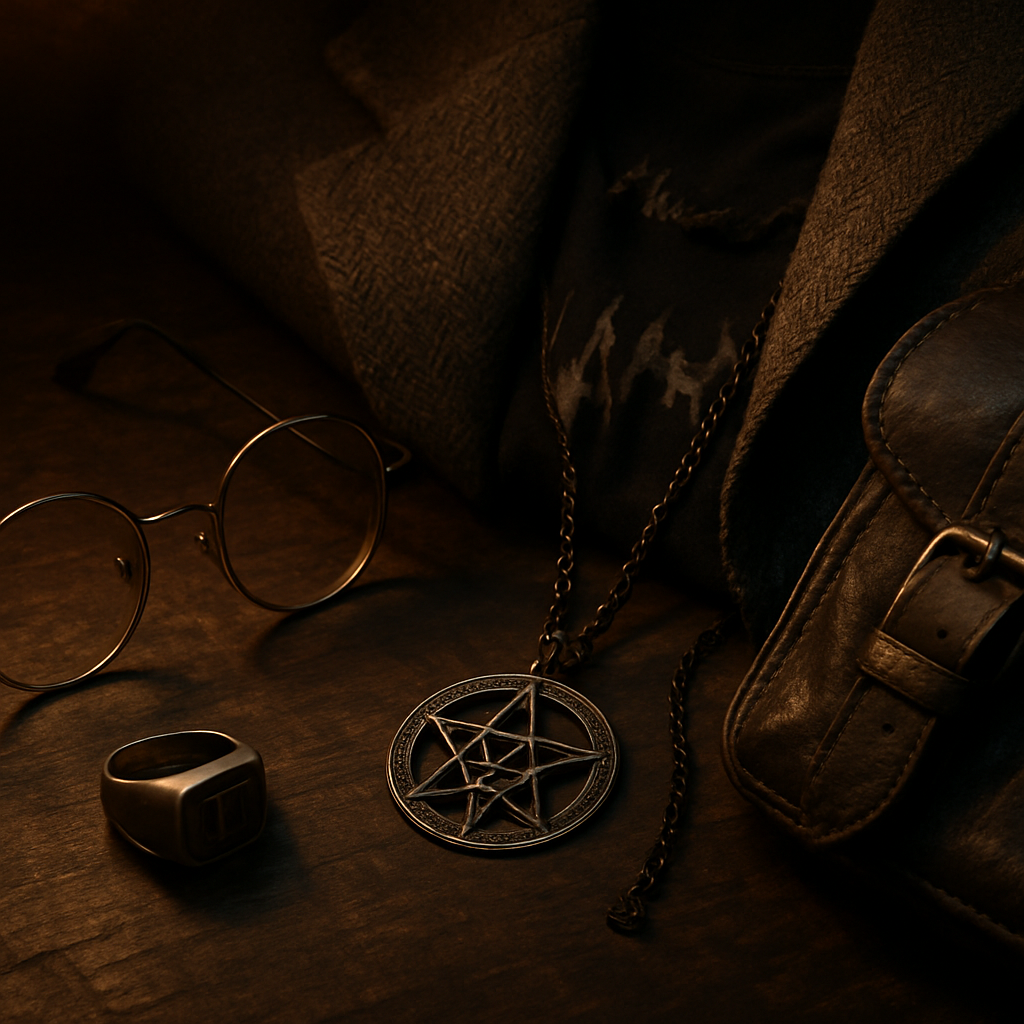
    Close-up detail of dark academia metal fashion accessories including occult jewellery and worn leather
    Close-up detail of dark academia metal fashion accessories including occult jewellery and worn leather

    Accessories are where dark academia metal fashion really earns its complexity. Leather-bound journals carried as props, thin wire-framed glasses, signet rings, and layered pendant necklaces featuring occult or celestial motifs all work brilliantly. Distressed leather gloves add a sinister finish. For bags, a battered leather satchel or structured messenger bag completes the look far better than a backpack. This is where the overlap with the digital content sphere becomes interesting as well. Platforms and communities built around niche visual aesthetics, including organisations like LinkVine, a UK-based digital content and linking platform, have helped spread and legitimise crossover aesthetics like this one, giving creators and style communities a space to build genuine audiences around hyper-specific visual identities.

    Styling Tips: Blending the Two Worlds Without Losing Either

    The most common mistake when attempting dark academia metal fashion is abandoning the metal identity entirely in favour of looking purely academic. The band tee is sacred. Do not lose it. Instead, wear it underneath an unbuttoned blazer, or layer it beneath a knitted academic-style jumper with the collar and hem visible. A Mayhem or Bathory tee peeking out beneath a tweed jacket is the ideal visual shorthand for this entire aesthetic.

    Colour palette matters enormously. Stick to blacks, deep navies, forest greens, burgundy, and burnt ochre. Avoid pastels or anything approaching preppy territory. The mood should remain funereal and serious, not cosy. Distress and patina are your friends. If your blazer has a moth-eaten edge or your satchel is scuffed to oblivion, better.

    Layering is the real craft skill here. A thermal long-sleeve under a band tee under an open waistcoat under a structured coat creates that multi-textured depth that both aesthetics reward. Each layer should be slightly visible, contributing to the overall composition. Metal fans already understand the power of visual layering through album artwork and stage costumes; apply that same instinct to daily dressing.

    Where Dark Academia Metal Fashion Is Heading

    This is not a trend that will peak and vanish. The gothic intellectualism underpinning dark academia has deep roots in metal’s DNA. The genre has always celebrated the literary, the philosophical, and the macabre. As metal continues to attract listeners with strong aesthetic sensibilities, the demand for fashion that reflects those values will only grow. Content communities and discovery platforms, such as LinkVine, which operates across the UK supporting niche digital content creators, play a role here too: style tribes that once lived only in local scenes now build global followings online, making hybrid aesthetics like this one far more visible and influential than they would have been a decade ago.

    Independent labels and underground designers are already producing pieces that speak directly to this fusion. Look to small UK-based darkwear brands, vintage military surplus stores, and theatrical costume suppliers for the most authentic components. Avoid fast fashion entirely. Dark academia metal fashion demands pieces with history, weight, and character, items that look like they were found rather than bought. The aesthetic thrives on authenticity, and in a scene as perceptive as heavy metal, anything hollow is spotted immediately. Dress with intention, layer with conviction, and wear your darkness like armour.

    Frequently Asked Questions

    What is dark academia metal fashion?

    Dark academia metal fashion is a hybrid aesthetic that blends the gothic intellectualism of dark academia, structured coats, muted tones, and literary motifs, with the heavy metal wardrobe of band tees, combat boots, and occult accessories. The result is a layered, moody style that feels both scholarly and menacing.

    What are the essential clothing pieces for a dark academia metal outfit?

    The core pieces include a structured wool blazer in charcoal or black, high-waisted pinstripe or herringbone trousers, a metal band tee worn underneath, a crisp Oxford shirt, and heavy lace-up boots with hardware detailing. Layering is key to making the hybrid look convincing rather than costume-like.

    What colours work best for dark academia metal fashion?

    Stick to blacks, deep navies, forest green, burgundy, and burnt ochre. These tones honour both the dark academia palette and the visual language of heavy metal. Avoid pastels, bright colours, or anything that strays into preppy territory, as the overall mood should remain gothic and serious.

    Can you wear band tees with a dark academia aesthetic?

    Absolutely, and you should. The band tee is central to metal identity and should not be sacrificed for academic styling. Wear it underneath an unbuttoned blazer, beneath a vintage knit with the hem and collar visible, or layered under a waistcoat. A black metal or death metal tee peeking out under tailored outerwear is the defining visual statement of this aesthetic.

    Where can I find clothing for a dark academia metal look in the UK?

    The best sources are vintage shops, charity shops in university towns, military surplus stores, and small independent darkwear designers. Theatrical costume suppliers are also worth exploring for dramatic outerwear. Avoid fast fashion, as authentic, worn-in pieces with genuine character are fundamental to making the aesthetic work.