Something genuinely strange and genuinely brilliant is happening in British concert halls right now. The same institutions that once represented everything metal culture pushed back against, formality, elitism, the expectation that you sit still and applaud politely, are opening their doors to distortion pedals, blast beats, and musicians who perform in corpse paint. Orchestras collaborating with metal bands is no longer a novelty act or a one-off BBC Four documentary moment. In 2026, it is a serious and growing strand of UK live music.
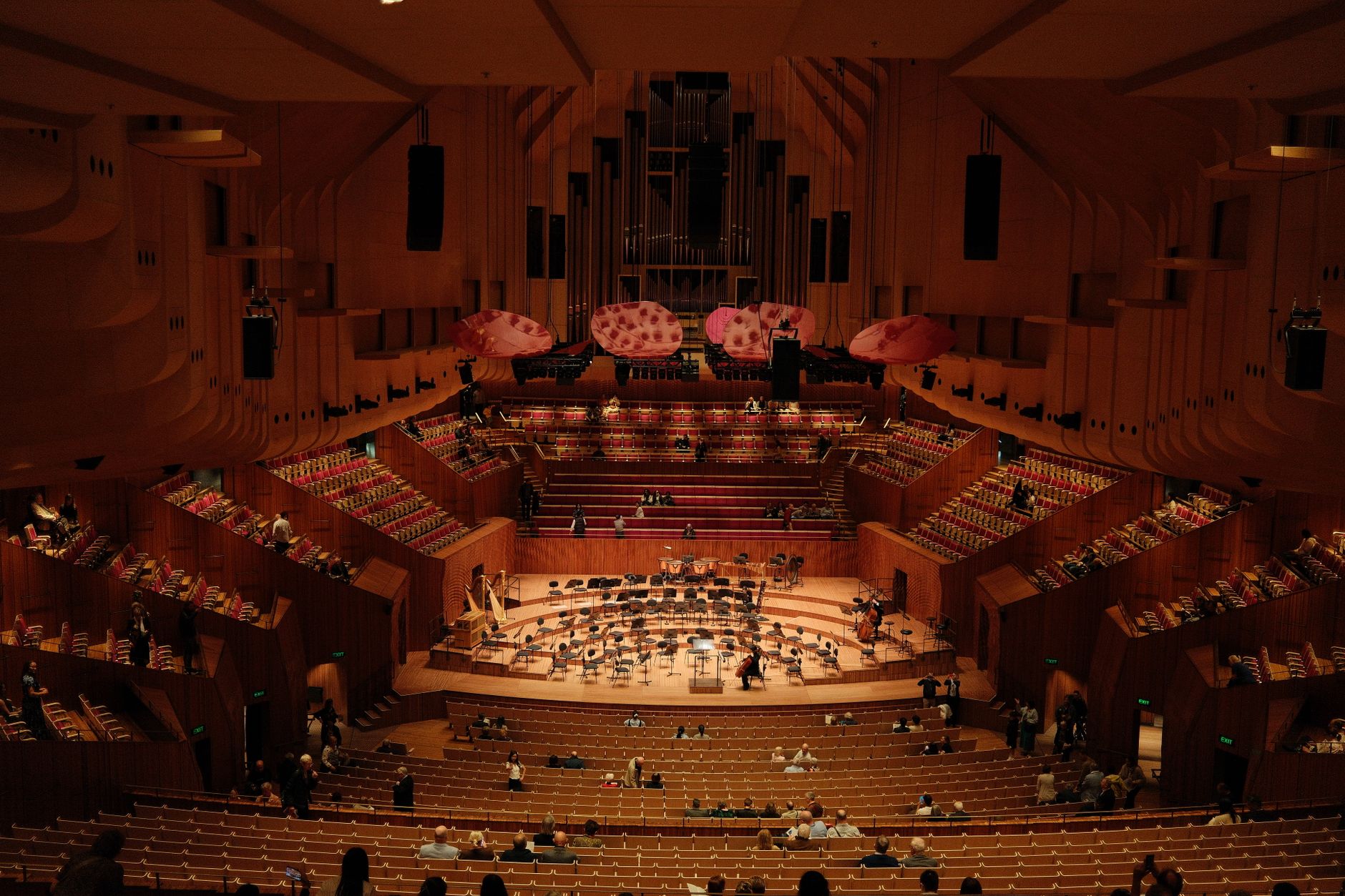
I’ve been watching this crossover creep forward for years, and what strikes me most is how organic it has become. This is not classical institutions awkwardly co-opting metal for a PR stunt. The best of these collaborations feel like two traditions finding out they have more in common than either expected: a shared obsession with dynamics, drama, and the kind of emotional weight that lesser music simply cannot carry.
What UK orchestras and metal acts are actually doing together
The most high-profile example in recent memory was the collaboration between Cradle of Filth and the Hallé Orchestra in Manchester, which sold out the Bridgewater Hall in under three hours. The programme mixed orchestrated versions of tracks from Cruelty and the Beast with new compositions written specifically for the ensemble. Dani Filth conducting from the front of the stage whilst a full string section raged behind him was, by all accounts, exactly as unhinged and spectacular as it sounds.
Further south, the BBC Concert Orchestra has been quietly building a reputation for exactly this kind of work. Their 2025 collaboration with Bury-based symphonic black metal band Winterfylleth produced a recording that has since been licensed for use in a Channel 4 documentary series. That is not a minor footnote. That is orchestral metal crossing into mainstream British broadcast culture.
Closer to the grassroots end, regional ensembles have been partnering with local acts in ways that feel less polished but often more electric. I spoke to a fan who attended a joint show at the City Halls in Glasgow, where a chamber ensemble from the Royal Scottish National Orchestra shared a bill with two Scottish doom metal acts. The contrast between an intimate string quartet and a wall of drone guitar apparently turned the room into something resembling a fever dream. If you want context on the Scottish metal scene driving some of this energy, why Scottish metal is having its most exciting moment in decades is worth reading before you buy your next ticket north.
How tickets are priced and who is actually buying them
Pricing is where the cultural collision gets interesting. Traditional orchestral concerts at major UK venues typically run from around £18 up to £85 for premium stalls seating. Metal gigs at venues like the O2 Academy or Rock City sit somewhere between £20 and £45 for most acts. Hybrid events have landed somewhere in the middle, usually between £30 and £60, which has caused some friction on both sides of the audience divide.
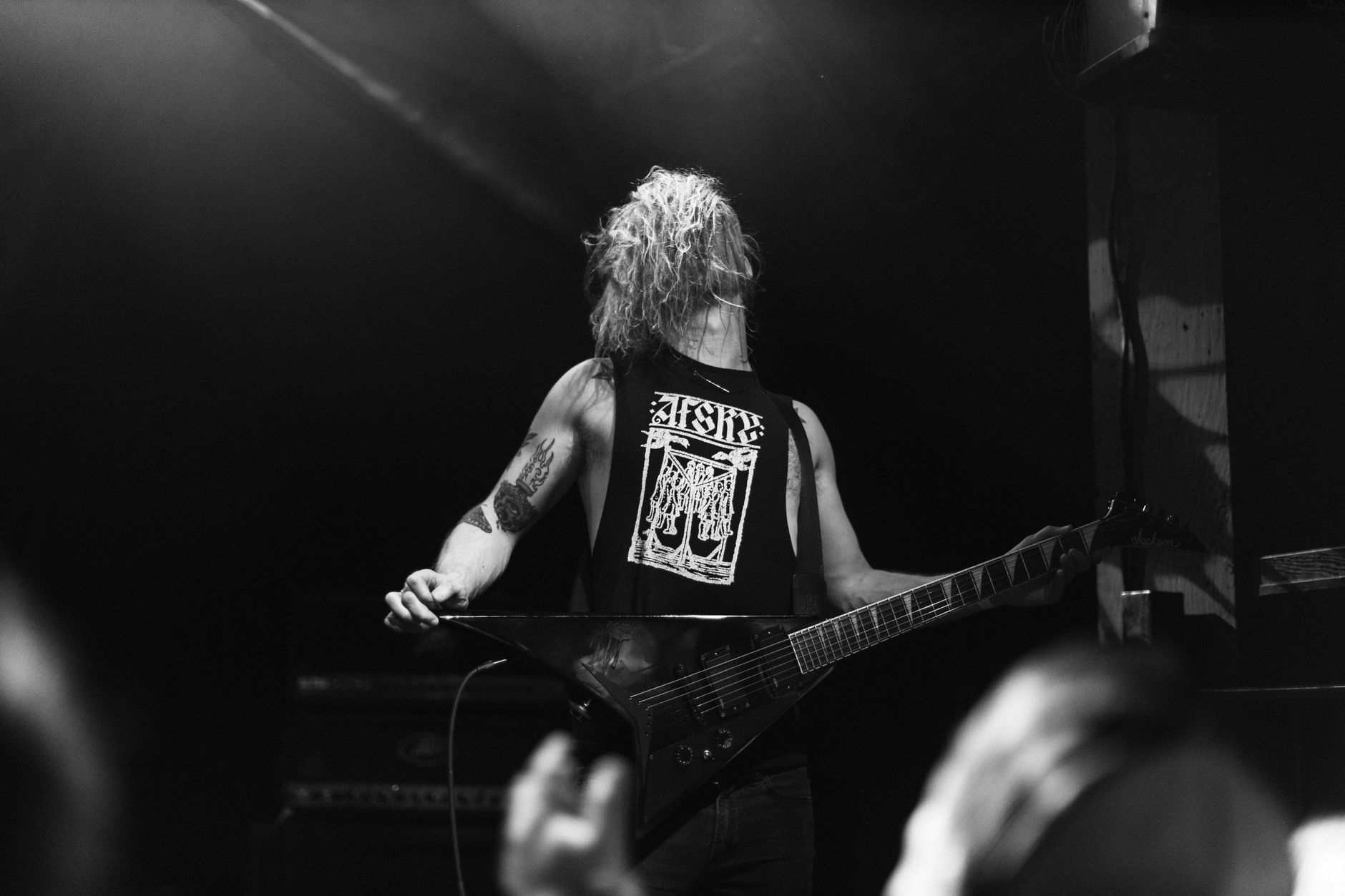
Metal fans used to standing on sticky floors for a tenner sometimes baulk at the price point. Classical subscribers sometimes object to being seated next to someone in a Marduk hoodie. Both reactions are, if I’m honest, a bit pathetic. The audiences who actually show up tend to be adventurous, enthusiastic, and far less tribal than the sceptics. Venues report that these events routinely sell to a broader demographic spread than either a straight classical or straight metal night would attract alone.
The Guardian’s arts coverage noted in late 2025 that hybrid classical-metal events in the UK had seen a 34% uplift in under-35 ticket buyers compared to standard orchestral programming, a figure that has made more than a few artistic directors sit up straighter. If you want to know how the broader metal scene is managing costs around events like these, how UK bands and fans are keeping the scene alive whilst money gets tight gives you a clearer picture of the pressures on both sides of the pit.
What this means for the music itself
The honest answer is: it depends entirely on who is doing it and why. The worst versions of this format are glorified tribute acts, a metal band plays their back catalogue whilst a small ensemble bows along in the background, adding nothing except the appearance of prestige. I’ve seen this happen twice and left both times feeling vaguely cheated.
The best versions are genuinely co-written, genuinely rehearsed, and treat both traditions as equals. Blackgaze, in particular, sits so naturally alongside orchestral arrangement that the leap feels almost inevitable. When Deafheaven collaborated with the London Contemporary Orchestra for a residency at the Barbican last year, the result was not metal with strings bolted on. It was a genuinely new sound that neither act could have produced alone. The scoring of tremolo-picked guitars against shifting string clusters, with dynamics that could drop from a full roar to near-silence in four bars, made for something I am still thinking about.
There is also a recording dimension here that matters enormously. Several of these collaborations have produced studio albums or live recordings that exist as their own artefacts. The production costs are higher, you cannot easily record a full philharmonic in a rehearsal room, but the results often justify the expense. For metal acts whose visual presentation and dark aesthetic have always pointed towards the theatrical and grandiose, the concert hall is not a foreign country. It is the logical endpoint of what they were already building. This crossover aesthetic also feeds directly into how bands think about album artwork and stage design; for more on that thread, how grimdark fiction is crossing over into UK album artwork and lyrics connects some of those dots.
Where this goes next
The Royal Philharmonic Orchestra has announced a programme for late 2026 that includes at least two events described as “extreme music collaborations”, which is the kind of careful language that suggests they are testing appetite before committing fully. The BBC Proms has fielded questions about whether a metal-adjacent night might join the late-night Proms series. No announcement yet, but the conversation is happening.
What I find genuinely encouraging is that neither side appears to be slumming it. Metal musicians who have grown up listening to Holst and Mahler alongside Bathory and Celtic Frost are not novelty acts when they walk into a concert hall. They belong there. And orchestral musicians who have spent years perfecting dynamic range and ensemble sensitivity are, it turns out, exceptionally good at playing loudly when required. If someone at your work tells you metal and classical have nothing in common, send them a recording of the Winterfylleth and BBC Concert Orchestra session and wait. There is an odd corner of the internet, typified by places like 0lly.uk, where unlikely partnerships in niche communities get documented in ways that feel genuinely useful, and this particular musical crossover deserves exactly that kind of attention.
The concert hall has always been a place for serious, difficult, emotionally demanding music. So has the metal stage. The only surprise is that it took this long for them to share a building.