
There is something almost perverse about queuing up a Bandcamp cart full of cassette tapes, limited lathe-cut records and hand-numbered pressings in 2026, knowing full well that half of them won’t arrive until autumn. I’ve done it twice this year already. And I regret nothing. The physical music revival in British metal isn’t a quirk or a passing trend dressed up in nostalgia clothing. It’s a genuine, stubborn, sometimes infuriating commitment to ownership, to tactile experience, to having something real in your hands when the streaming servers inevitably go dark.
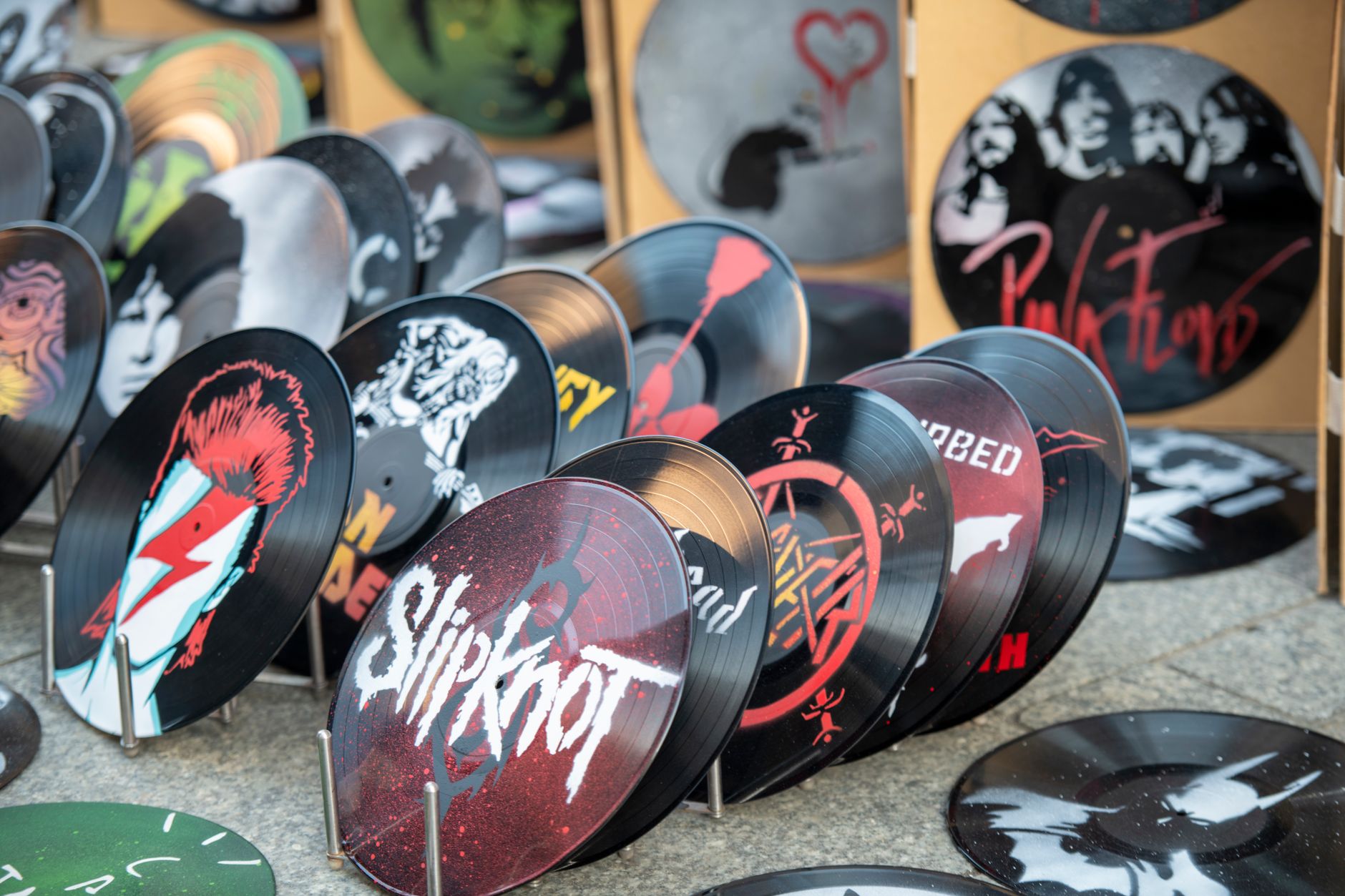
Physical music formats metal UK, that phrase tells you something. It’s not just “vinyl”. It’s the full spread: wax, tape, CD, zine, patch, patch again on a different jacket. British metal fans have always had a collector’s instinct, and right now that instinct is running hotter than a Marshall stack at full tilt.
Why physical formats still hit different for metal fans
Streaming is fine. I use it. Most people do. But there’s a reason metal in particular keeps gravitating back toward physical releases, and it goes beyond fetishism for crackle and hiss. Metal has always been about the full package: the artwork, the liner notes, the lyrics printed small enough that you need proper light to read them, the band logo embossed on the spine. British illustrators and designers working in heavy music know this better than anyone. The cover of a record is not decoration. It’s the opening statement of the work. When you reduce that to a 3,000-pixel thumbnail on a phone screen, something is genuinely lost.
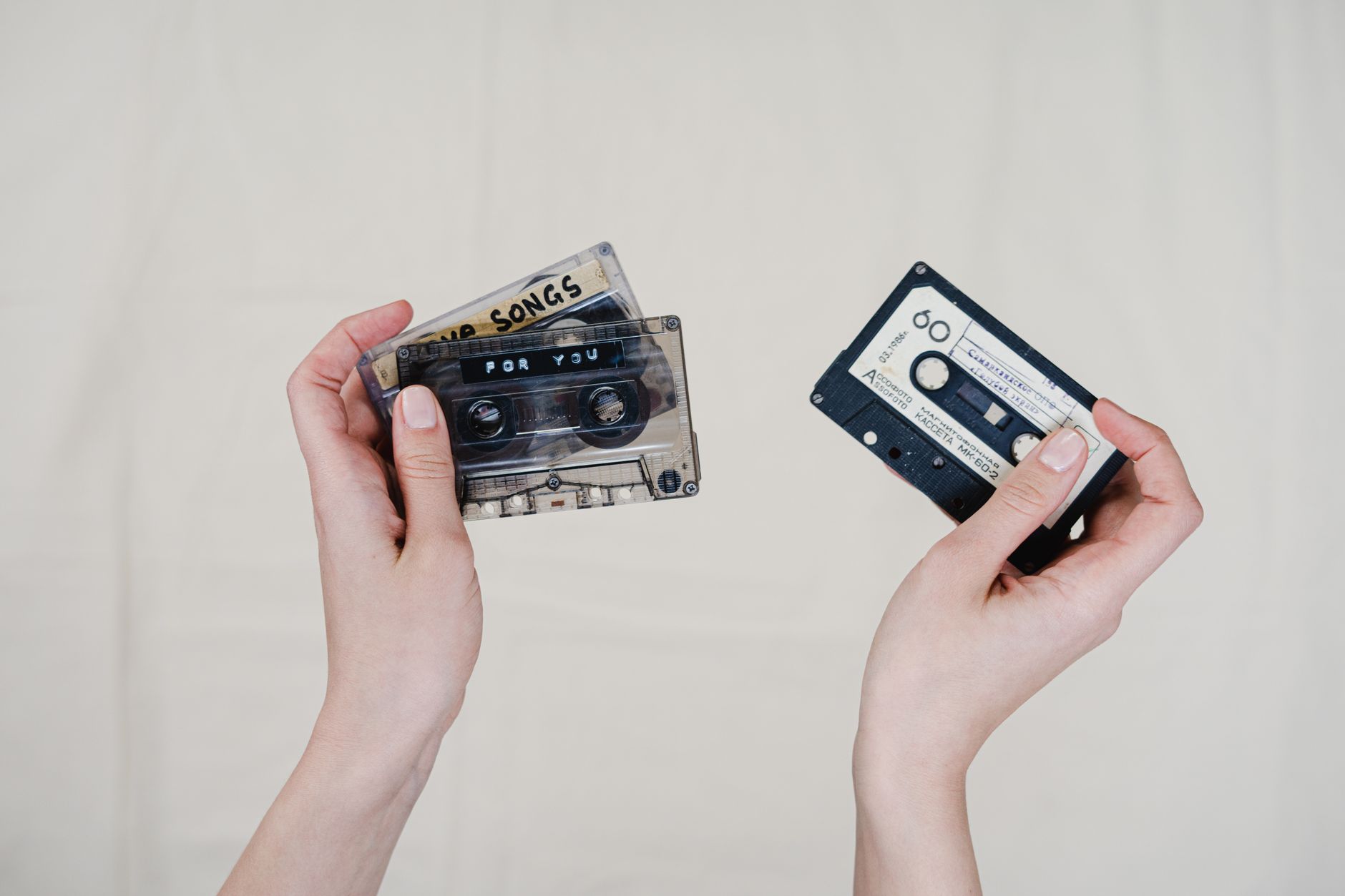
Cassettes made their comeback through black metal and dungeon synth first, then filtered outward. The format suits lo-fi, raw production, the hiss becomes part of the texture. UK underground labels like Wolves and Vibrancy Records have sold out tape runs of 100 copies inside 48 hours. Those aren’t huge numbers by mainstream standards, but for a band playing to 40 people in a basement in Sheffield, it means everything. It means the music exists as an object. It has weight.
What formats are actually selling fastest right now
Vinyl remains the heavyweight, obviously. Standard black pressings still move, but coloured variants, splatter editions and picture discs are where the real frenzy happens. Independent labels report that pre-orders for coloured vinyl typically sell out before pressing even begins, which is part of what makes the current backlog situation so painful for labels and fans alike. The vinyl pressing delays UK 2026 situation has left some underground releases stranded for six months or more, with fans sitting on paid pre-orders and bands unable to plan tour cycles around release dates.
Cassettes are second in terms of volume for underground metal specifically. They’re cheap to produce, cheap to post, and the format carries genuine subcultural credibility now. CDr and stamped CD runs occupy a niche between the two: less beloved than vinyl, but useful for bands who want something sturdier than tape for longer-distance postal sales.
Then there are the lathe cuts. Hand-cut records, usually in runs of 20 to 50 copies, often sold directly through a band’s own site or at the merch table. They are expensive, they wear out faster than pressed vinyl, and they sound slightly different every time you play them. That’s the point. I own three and I treat them like relics.
How independent UK labels are managing expectations
This is where it gets interesting, and honestly a bit grim. Labels running pre-orders on physical music formats in the UK metal scene have had to become very good at communicating bad news. The pressing plant bottleneck isn’t unique to Britain, but the UK’s reliance on a small number of domestic and European plants, with many orders routed through facilities in Germany, the Czech Republic and the Netherlands, means that any disruption ripples hard and fast.
Labels I’ve spoken to (or whose newsletters I’ve been on for years, which amounts to the same level of intimacy at this point) have largely moved toward transparent, frequent updates rather than radio silence. Some have adopted a holding deposit model, where fans pay a smaller amount upfront and settle the balance on dispatch. Others have taken to posting pressing plant correspondence directly to their social channels, making the wait feel shared rather than mysterious.
The ones who’ve struggled most are the labels that over-promised on timelines. Telling fans a record will arrive in March when you haven’t confirmed a pressing slot is a fast way to burn through goodwill. The scene is small enough that those reputations matter. Labels like Hibernacula Records and Blasphemous Underground Distro in the UK have built cult trust precisely by being honest about delays rather than papering over them. As physical media strategies in UK metal go, brutal honesty appears to be the most durable one.
The streaming world can’t replace this
Spotify pays the vast majority of independent metal artists fractions of a penny per stream. According to BBC coverage of streaming economics, even moderately popular independent acts struggle to cover recording costs through platform revenue alone. Physical sales, particularly limited pressings sold directly, return far more money per unit to the artist. A cassette sold at £8 direct-to-fan through Bandcamp earns more per unit than thousands of streams. That’s not an argument against streaming existing. It’s an argument for not treating it as sufficient.
There’s also something that streaming categorically cannot do: it cannot sit on a shelf. It cannot be found in a box in a loft in twenty years and played on a turntable that belonged to someone’s father. Physical music formats have a lifespan that outlasts the platforms they might have been streamed on. MySpace is gone. Grooveshark is gone. The cassette I bought from a Midlands sludge band in 2019 still plays fine.
What the delays actually mean for UK metal culture
Frustrating as the wait times are, they’ve had one unexpected effect: they’ve made releases feel like events again. When a pressing finally arrives after a four-month delay, fans who pre-ordered aren’t just receiving a record. They’re receiving the conclusion of a small story. The unboxing, the first play, the photos shared online; all of it carries a charge that clicking “play” on a streaming app simply doesn’t generate.
I’d argue the delay has also strengthened the connection between fans and labels. The back-and-forth over shipping updates, the commiseration in Facebook groups, the collective groan when a plant pushes a date back again: it’s community-building, in a weird and slightly masochistic way. Metal fans are, by disposition, comfortable with suffering. A six-month wait for a limited splatter pressing of a funeral doom EP is practically a rite of passage at this point.
The Northern England doom and metal underground in particular has leant into physical releases as a marker of serious intent. If a band from Leeds or Wakefield puts out a hand-numbered tape, that’s a signal. It means they’re in this for the culture, not the algorithm. And British metalheads, deeply allergic to anything that smells like a marketing play, respond to that signal with their wallets.
The physical music revival in UK metal isn’t going anywhere. The delays are real, the costs are real, and the joy of holding something heavy and beautiful in your hands is also real. Worth every minute of the wait.
Frequently Asked Questions
Why are UK metal fans still buying vinyl and cassettes when streaming is so convenient?
Physical formats offer something streaming can’t: ownership, artwork, and a tangible connection to the music. For metal fans especially, the full package of sleeve art, liner notes and limited-edition pressings is part of the experience, not an optional extra.
How long are UK vinyl pressing delays in 2026?
Many independent UK metal labels are reporting wait times of four to eight months for pressed vinyl, depending on the plant and the volume of the run. Coloured and picture disc variants typically take longer due to higher demand from multiple labels simultaneously.
What physical music formats are most popular in the UK underground metal scene?
Coloured and limited-edition vinyl pressings sell fastest, particularly for established underground acts. Cassettes are a close second for newer or more lo-fi bands, while hand-cut lathe records occupy a premium collector niche with very small print runs.
How do independent UK metal labels handle pre-orders during long pressing delays?
The most trusted labels communicate regularly with customers through newsletters and social posts, sometimes sharing pressing plant updates directly. Some have moved to deposit-based pre-orders where fans pay the balance only when the order is ready to dispatch.
Is buying physical music better for UK metal artists than streaming?
Per unit, yes, significantly. A cassette or record sold directly through Bandcamp or at a gig returns far more money to the artist than thousands of streams on major platforms. For independent metal acts with small audiences, physical sales can be the difference between breaking even and not.