
There is something almost defiant about holding a stapled, photocopied zine in your hands in 2026. The ink smudges. The layout is imperfect. Someone spent actual money getting it printed, then probably drove across town to leave a stack of copies at a record shop. Metal fanzines UK print culture refuses to die, and I find that genuinely thrilling. In a world where every music opinion is instantly generated, optimised, and served to you by an algorithm, the physical zine is the middle finger in print form.
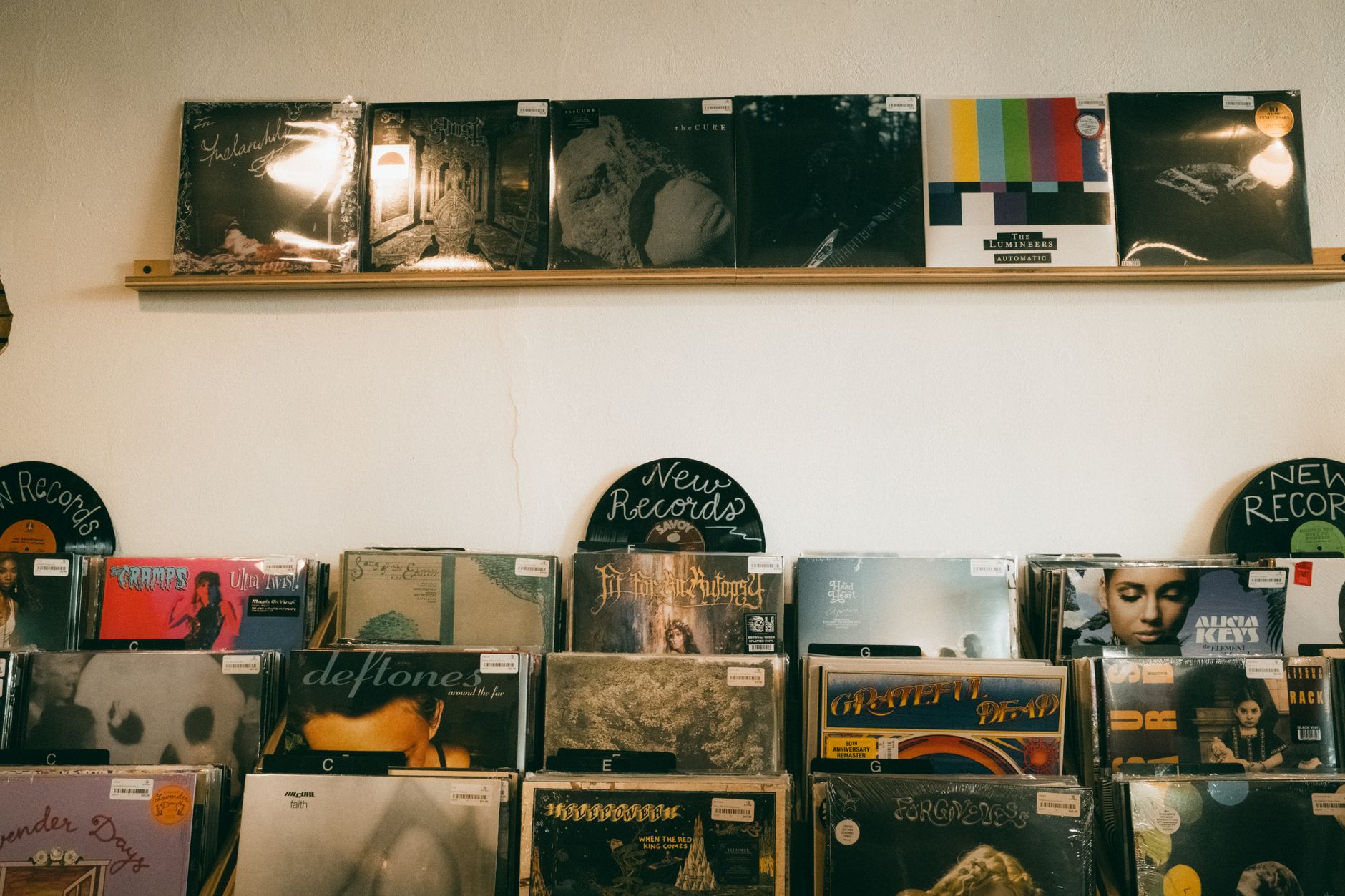
I’ve been picking up metal zines at gigs and distro tables for years, and what strikes me every time is the sheer range of them. Some are obsessively researched deep-dives into obscure Norwegian black metal discographies. Others are collage-heavy art objects. A few are just someone’s raw, unedited passion typed out and reproduced on a risograph printer in Hackney. The form itself is the message: this was made by a human being, for other human beings, with no click-through rate in mind.
Why physical zines still matter in the streaming age
The obvious question people ask is why bother. Spotify gives you millions of tracks. Bandcamp gives you unlimited discovery. You can read fifteen album reviews on your phone before you’ve finished your morning brew. What does print offer that digital cannot?
The answer, based on conversations I’ve had with zine makers at events like Temples Festival in Bristol and Bloodstock Open Air, is control. Complete, uncompromised editorial control. There is no SEO. There is no engagement metric. There is no editor at a major publication telling you that covering a 300-copy cassette release from a Sheffield sludge band is not “traffic-worthy”. The zine makes its own rules. That freedom attracts writers and illustrators who have grown genuinely tired of how the music press has narrowed its focus down to whatever the algorithm rewards.
The BBC Music pages cover the mainstream. The big streaming playlists push what the labels pay to promote. Zines cover what the ecosystem ignores, and in heavy metal, where the most interesting music has always existed in the margins, that matters enormously.
Who is actually making metal fanzines in the UK right now
The scene is small but it is real. Worm Shepherd Zine, out of Manchester, has been running for three years and focuses exclusively on doom and funeral doom, with hand-drawn artwork on every cover. The editor, who goes by the name Corvus online, prints 200 copies per issue and sells out within a fortnight, mostly through the same DIY distro networks that keep the patch and merch culture alive in this country. Each issue features interviews with bands who have never appeared in Kerrang or Metal Hammer, alongside hand-lettered lyrics and contributor art.
The Iron Bibliophile, based in Edinburgh, takes a different approach entirely. It is A5, properly typeset, and leans into the literary side of metal. I picked up issue seven at a record fair last year and it had a three-thousand word essay on the influence of Mervyn Peake on the imagery of early British black metal, illustrated with original pen-and-ink drawings. That piece alone was worth every penny of the £4 cover price. My take is that this is where metal fanzines UK print culture gets genuinely interesting: when the ambition matches the passion.
Down in London, a collective called Blackthorn Press runs a quarterly zine that explicitly connects the music to the dark fiction and grimdark visual culture bleeding into album artwork and lyrics across the UK scene. They crowd-fund each issue through their mailing list, which has grown to over 800 subscribers, and they use a small print shop in Peckham to run the physical copies. Distribution is partly via post, partly via a rotating list of independent record shops including Rough Trade East and Jumbo Records in Leeds.
How zine makers distribute without the internet’s help
This is the bit that surprises people outside the scene. Distribution for physical zines is largely analogue and community-driven. Makers rely on a network of independent record shops, gig venues with merch tables, pen-pal postal networks, and zine fairs. The London Zine Symposium, which returned in 2025 after a few years of reduced activity, had a metal and dark arts section for the first time and sold out its vendor tables within 48 hours of opening applications.
Some makers use Bandcamp as a storefront for the physical object, which I think is a pragmatic compromise. You list the zine as if it were an album, people pay, you post it. The digital infrastructure carries the transaction but the thing that arrives is entirely physical. Others rely purely on word of mouth at gigs and the kind of community trust that makes someone hand you a copy and say “give me whatever you think it’s worth”.
There is also a generation of makers who have come to zines directly from the fashion and anti-establishment corners of metal subculture. If you have been following how UK metal and goth culture has been pushing back against surveillance and corporate systems through what it wears, the zine fits naturally into the same mindset: make your own thing, distribute it yourself, keep it out of the hands of whoever wants to monetise it.
The illustrators keeping the visual tradition alive
Metal zines have always been as much about the art as the words. The classic xerox aesthetic, heavy blacks, hand lettering, occult imagery, borders that feel like they were drawn at 2am to a Bathory record, that visual language is still very much present. But in 2026 there is also a new wave of illustrators bringing different influences: risograph printing with limited colour palettes, screen-printed covers, even letterpress for the particularly committed.
Illustrator Mara Blackthorn, who contributes to several UK zines and runs her own one-woman operation called Saltmarsh Grimoire out of Norwich, told me she came to zine-making because no other format let her combine her illustration work with her critical writing about black metal without someone else deciding what the page should look like. She hand-numbers every copy. She has never printed more than 150 at a time. She does not care about growing the audience beyond the people who actually want what she makes.
That attitude is everywhere in this scene. The makers are not trying to compete with the algorithm. They are opting out of that competition entirely, and building something that functions on a completely different logic: scarcity, intentionality, and genuine connection between creator and reader. In a music culture increasingly flattened by streaming metrics and playlist placements, metal fanzines UK print culture is doing something almost radical. It is slow. It is physical. It costs money to make and money to buy. And it keeps going anyway.
Frequently Asked Questions
Where can I buy metal fanzines in the UK?
Independent record shops like Rough Trade (London), Jumbo Records (Leeds), and Avalanche Records (Edinburgh) often stock zines alongside music. Zine fairs such as the London Zine Symposium are also good spots, as are distro tables at UK metal festivals and gig venues.
How much do UK metal fanzines typically cost?
Most physical metal zines in the UK sell for between £3 and £8 per issue, depending on length, print quality, and whether they include original artwork. Postal copies usually add a small P&P charge on top.
How do I start my own metal fanzine in the UK?
You don’t need much to start: a word processor, free layout software like Scribus, and a local print shop or print-on-demand service. Most UK zine makers start with A5 or A4 folded formats, black-and-white printing, and a print run of 50 to 100 copies to test the waters.
Are metal fanzines different from metal magazines like Kerrang or Metal Hammer?
Yes, significantly. Commercial metal magazines work to advertising revenue and editorial schedules driven by label relationships and chart relevance. Fanzines are self-funded and answer to no one, which means they can cover niche subgenres, unsigned bands, and contentious topics that mainstream metal press ignores.
Is the UK metal fanzine scene growing or shrinking?
By most accounts it is stable and slowly growing again after a quiet period during the early 2020s. Zine fairs, festival distro tables, and postal networks have all picked up activity, with a noticeable influx of younger makers who came to print culture partly as a reaction against algorithm-driven digital media.
Leave a Reply