

Heavy metal has always thrived on defiance. It built itself on vinyl, cassettes, and word-of-mouth passed between kids in leather jackets behind school gyms. So it might surprise a few people to learn that metal is now absolutely smashing it on streaming platforms. The numbers are extraordinary, and they point to something bigger than a fleeting trend. This is a cultural shift, and the data backs it up in ways even the most cynical headbanger would struggle to argue with.
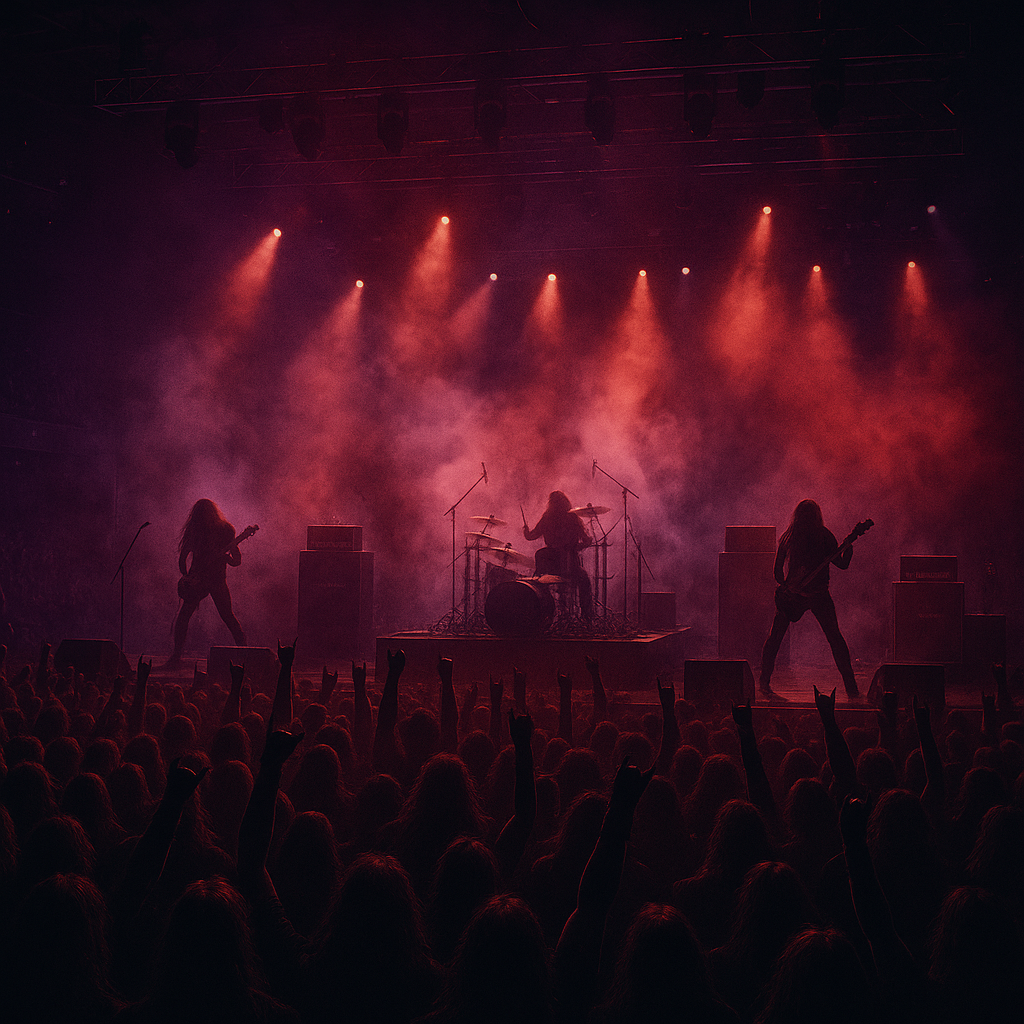
Spotify’s internal genre data has consistently shown metal growing at a faster rate than many mainstream pop categories over the past three years. In 2024, metal-related streams on the platform exceeded 18 billion globally, a figure that would have seemed absurd a decade ago. Apple Music tells a similar story, with curated metal playlists accumulating tens of millions of followers worldwide. YouTube remains the absolute beast of the bunch, where channels dedicated to metal content, including full concerts, lyric videos, and reaction content, are racking up billions of views annually. The genre isn’t just surviving in the streaming era. It’s thriving.
Which Subgenres Are Leading the Charge?
Not all metal is growing at the same pace, and the nuances here are genuinely fascinating. Melodic death metal has seen a remarkable spike in streams, driven largely by Scandinavian acts who’ve managed to hook younger listeners raised on both hip-hop and cinematic soundtracks. Bands like Amon Amarth and Arch Enemy are pulling in listener counts that rival mid-tier pop artists. Meanwhile, metalcore and post-hardcore are absolutely exploding with Gen Z listeners, who have embraced the emotional rawness of the genre in the same way older generations connected with grunge or emo in its heyday.
Black metal, traditionally the most underground and deliberately inaccessible of all the subgenres, is also experiencing a quiet renaissance online. Atmospheric black metal in particular, think acts like Wolves in the Throne Room or Batushka, has found a devoted streaming audience among listeners who want something meditative and intense. It turns out that long, immersive tracks work surprisingly well on streaming playlists built around focus and late-night listening. The algorithm didn’t expect that one.
Doom metal and stoner metal are also growing steadily. These are subgenres built on slow, crushing riffs and extended song structures, not exactly what the streaming economy was supposed to reward. Yet artists like Elder, Monolord, and Yob are racking up impressive monthly listener counts, suggesting that depth and atmosphere have more algorithmic appeal than previously assumed.

The Artists Breaking Through Right Now
A handful of acts have genuinely crossed over from genre darlings into mainstream streaming conversation. Sleep Token have become a phenomenon. Their blend of progressive metal, soul, and art rock has earned them playlist placements that most metal bands could only dream of, sitting alongside artists from entirely different genres without feeling out of place. Their 2023 album Take Me Back to Eden was one of the most-streamed rock releases of that year across multiple platforms.
Spiritbox, the Canadian metalcore outfit fronted by Courtney LaPlante, have similarly broken through in a serious way. Their streaming numbers are extraordinary for a band without major label backing at their early stage, proof that algorithm-friendly production and genuine emotional resonance can carry a metal act further than ever before. Gojira, arguably France’s greatest ever musical export, have also seen their streaming figures surge following high-profile live appearances, including their jaw-dropping performance at the Paris Olympics opening ceremony in 2024. That moment introduced them to an audience of billions overnight.
Older legacy acts are benefiting too. Metallica’s catalogue streams continue to grow year on year, and Slayer’s final album cycle brought in a new generation of listeners who discovered the band through algorithm recommendations rather than older siblings or record shops. Iron Maiden’s back catalogue performs especially well on Spotify’s “Fans Also Like” recommendations, consistently pulling new ears toward classic albums like The Number of the Beast and Powerslave.
What’s Driving the Growth?
Several things are pushing metal’s streaming surge forward simultaneously. Playlist culture has been huge. Spotify playlists like “Metal Essentials” and “Ultimate Metal” have millions of followers and act as gateway drugs for curious listeners. Once someone dips their toe in, the recommendation engine does the rest. TikTok has also played an enormous and somewhat unexpected role. Short clips of brutal breakdowns, shredding solos, and charismatic vocalists have gone viral repeatedly, sending streams spiking for tracks that might otherwise have remained underground.
The global nature of streaming has also allowed metal to reach listeners in markets previously difficult to penetrate physically. Latin America, Southeast Asia, and parts of Eastern Europe are producing rapidly growing metal fanbases, all discovering the genre through digital platforms. This global expansion is something even the most forward-thinking label executives didn’t fully anticipate five years ago.
It’s also worth noting how digital marketing has evolved alongside all of this. Just as seo nottingham specialists understand that visibility online requires both technical precision and genuine audience insight, metal bands who are thriving in the streaming era have learned to work the algorithm without compromising their artistic identity. The ones getting it right aren’t gaming the system cynically. They’re making genuinely great music and understanding where their audience lives online.
What Does This Mean for Metal’s Future?
The implications are significant. Record labels, both major and independent, are investing more heavily in metal signings than at any point in the past fifteen years. Festival bookers are taking notice, with metal acts commanding increasingly prominent headline slots at events that wouldn’t have considered them a decade ago. More importantly, younger bands now have a genuine path to sustainability through streaming revenue, merchandise, and direct-to-fan platforms, without needing to compromise their sound for radio play that was never coming anyway.
Heavy metal spent decades being dismissed as a niche, a noise for outsiders and misfits. The streaming data tells a different story. The misfits were always more numerous than anyone wanted to admit, and now the numbers prove it. The genre isn’t going anywhere. If anything, it’s just getting started.
Frequently Asked Questions
Which streaming platform is best for discovering heavy metal music?
Spotify is widely considered the strongest platform for metal discovery, thanks to its extensive curated playlists and powerful recommendation algorithm. YouTube is also invaluable for live performances, full albums, and music videos from both legacy acts and underground bands.
What is the fastest-growing metal subgenre on streaming platforms?
Metalcore and melodic death metal are currently among the fastest-growing subgenres in terms of streaming numbers, particularly with younger listeners. Atmospheric black metal is also quietly building a significant streaming audience in niche but dedicated listener communities.
Are legacy metal bands like Metallica still pulling in big streaming numbers?
Yes, absolutely. Metallica, Iron Maiden, and Slayer all maintain enormous monthly listener counts on Spotify and Apple Music. Algorithm-driven recommendations continue to introduce their classic catalogues to new generations of listeners who discover them organically through playlist suggestions.
Has TikTok genuinely helped heavy metal artists grow their streaming numbers?
TikTok has had a measurable impact on metal streaming figures. Clips of standout guitar solos, heavy breakdowns, and live performances regularly go viral, driving traffic back to full tracks on Spotify and YouTube. Several lesser-known bands have seen dramatic streaming spikes directly linked to TikTok exposure.
Which newer metal artists are currently breaking through on streaming platforms?
Sleep Token and Spiritbox are two of the most notable recent breakthrough acts in terms of streaming performance. Gojira have also seen a significant surge following their appearance at the Paris 2024 Olympics opening ceremony, which introduced them to a massive global audience overnight.
Leave a Reply